
 English
 Español
 Content
- 1 What an LED Flame Candle Actually Is
- 2 The Technology Behind a Realistic Flicker
- 3 Power Sources and Runtime Compared
- 4 Why Flameless Candles Are Chosen Over Wax in Occupied Spaces
- 5 Where Flameless LED Candles Are Used Today
- 6 Materials and Housing Options
- 7 Remote Control, Grouping and Smart Features
- 8 How to Choose the Right LED Flame Candle
- 9 Care and Maintenance for Longer Lifespan
- 10 Sourcing Considerations for Bulk and Private Label Orders
- 11 LED Flame Candles Compared to Traditional Wax Candles
- 12 Common Issues and Quick Fixes
- 13 Frequently Asked Questions
- 13.1 Do flameless LED candles look realistic up close?
- 13.2 How long do the batteries typically last in an led flame candle?
- 13.3 Can flameless LED candles be used outdoors?
- 13.4 What is the difference between a moving wick and a static flame LED candle?
- 13.5 Are flameless LED candles suitable for large-scale event use?
- 13.6 Can the color and scent of an led flame candle be customized for a private label order?
- 13.7 Do flameless LED candles need to be replaced often?
What an LED Flame Candle Actually Is
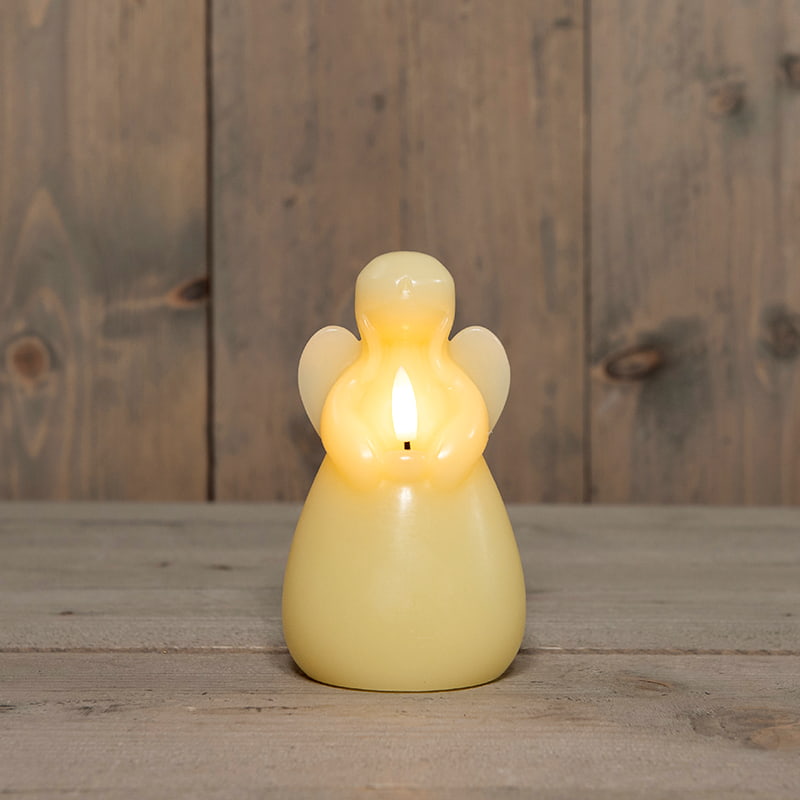
A led flame candle is a battery or USB powered light source built to reproduce the shape, color temperature and movement of a burning wick without any open fire, wax pool or soot. The core answer to the question most buyers ask first is simple: yes, modern flameless LED candles look convincingly close to real fire because they combine a warm-white or amber LED chip with a moving diffuser, a swaying wick tip, and a microchip that varies brightness at random intervals rather than in a repeating loop.
This distinction matters commercially. Hotels, restaurants, wedding planners and home decor retailers choose flameless LED candles specifically because the units solve three practical pain points that wax candles cannot: fire risk in occupied spaces, wax drip damage on linens and furniture, and the labor cost of relighting dozens of candles for a recurring event.
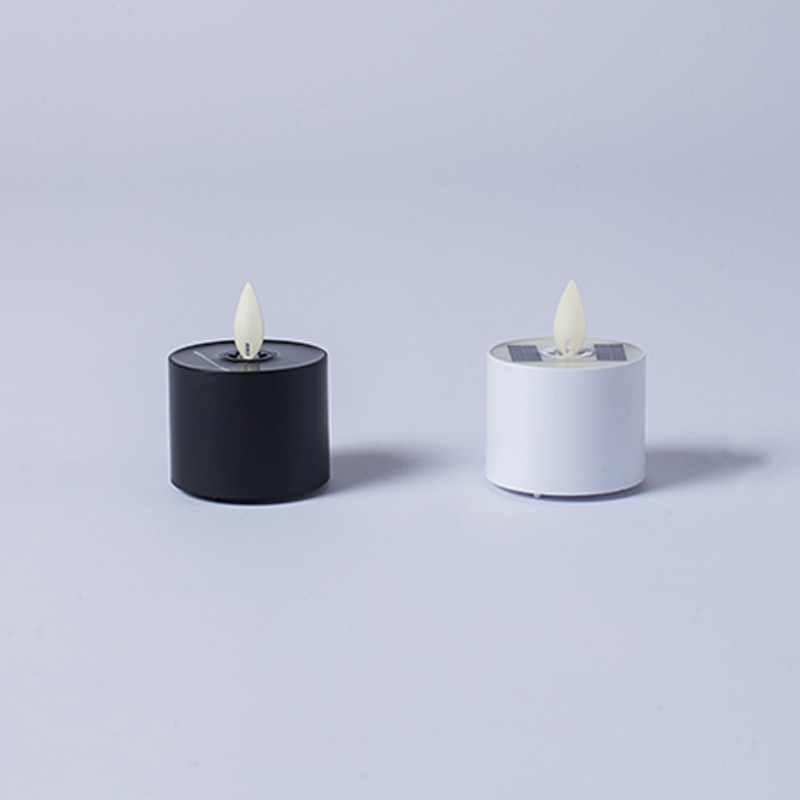
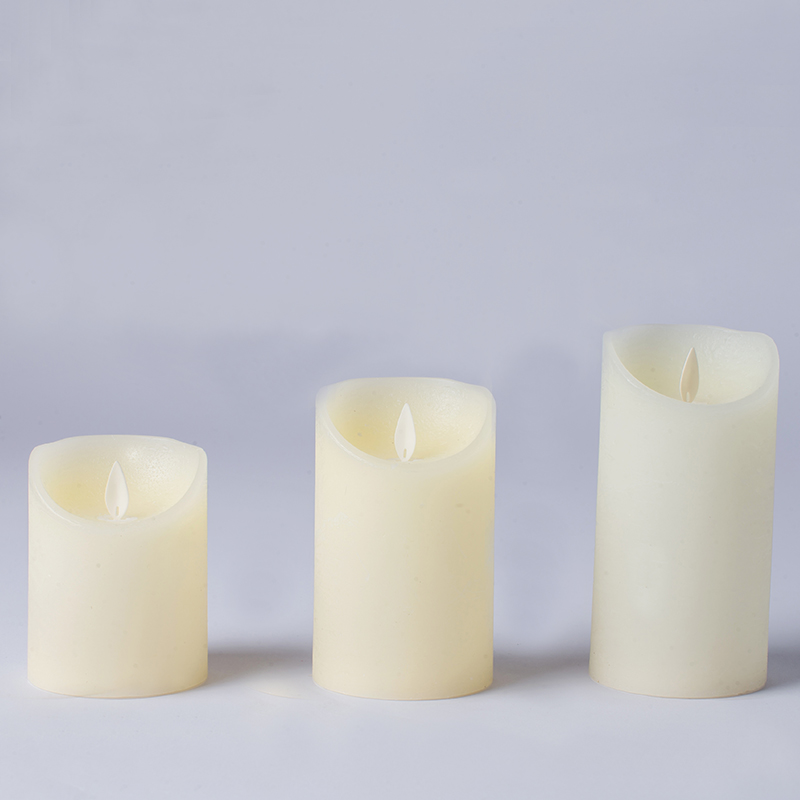
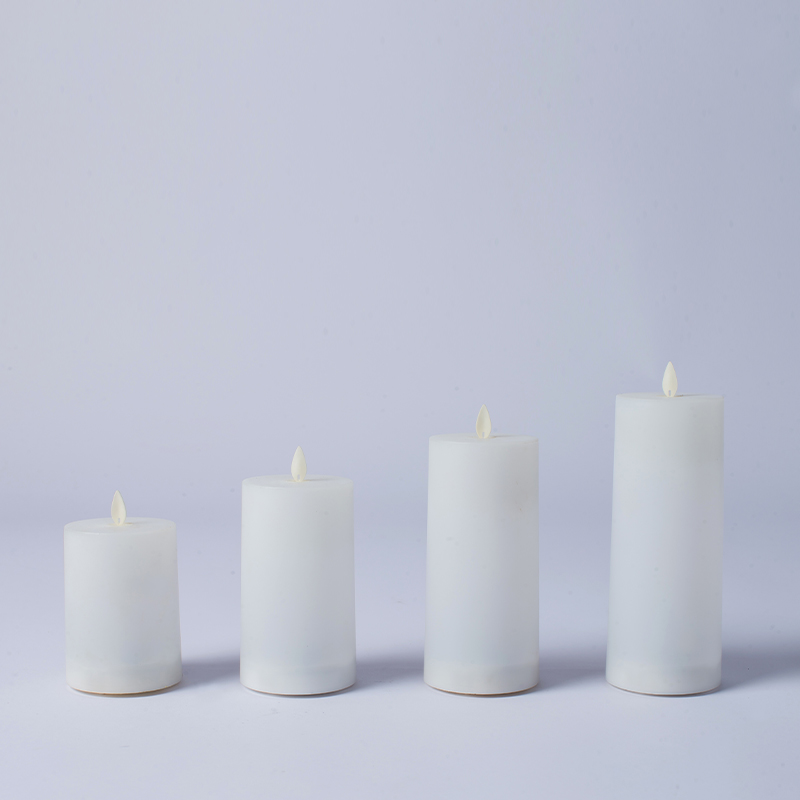
The category itself is broader than most first-time buyers expect. A single led flame candle line from a manufacturer might include pillar shapes in three or four heights, taper styles for candlesticks, votive-sized units for glass holders, and floating versions designed for pools, bowls or centerpieces. Each of these shares the same core electronics but is packaged differently to match the display context, which is why sourcing teams generally request the full product line rather than a single SKU when evaluating a supplier.
It is also worth separating the category from simple battery tea lights sold in bulk multi-packs. Those units typically use a basic single-tone LED with no wick movement and a fixed blink pattern, and they occupy the lowest price tier of the market. True flameless LED candles, by contrast, are built around the flicker realism described in the next section, and this is the feature set that determines whether a product is positioned for premium retail, hospitality contracts, or budget mass distribution.
The Technology Behind a Realistic Flicker
Three engineering elements decide whether an led flame candle looks premium or looks like a toy: the light source, the moving mechanism, and the control chip. Buyers who understand these three variables can compare suppliers on substance rather than on marketing photography, which tends to look similar across every price tier.
Light Source and Color Temperature
Most quality units use a warm-white LED rated between 2000K and 2400K, which is close to the color temperature of an actual candle flame around 1850K. A chip set higher than 2700K reads as a household bulb rather than fire, which is why buyers comparing options should ask suppliers for the exact Kelvin rating rather than trusting a product photo, since camera white balance can make almost any LED look warmer than it is in person.
Beyond raw color temperature, the diffuser material around the LED chip changes how the light reads to the eye. A frosted amber-tinted plastic shell softens the point-source glare of the LED and scatters it more like a real flame does through melted wax. Clear or lightly tinted shells, by contrast, tend to show a visible bright dot at the LED location, which is one of the fastest ways an experienced buyer can tell a lower-cost unit from a premium one during a factory inspection.
Moving Wick Mechanisms
Two mechanical approaches dominate the market. The first uses a thin plastic or silicone flame tip mounted on a small motorized reed that sways with a built-in fan or magnetic pulse. The second, often marketed as 3D wick technology, layers two or three LED-lit fabric or resin flame shapes at slightly different heights so the light appears to move even though no part physically bends. The motorized reed version generally produces a more convincing side-to-side sway, while the layered version tends to last longer since it has no moving parts to wear out.
A third, less common approach uses a small internal fan that blows air across a thin reflective foil flame tip, which is sometimes marketed under names referencing a moving flame effect. This method produces one of the most convincing sway effects on the market but adds a mechanical fan that draws slightly more current, which shortens battery-powered runtime compared to the motorized reed and static layered approaches described above.
Random Flicker Programming
The control chip is what separates flameless LED candles that look alive from ones that look mechanical. A basic circuit dims and brightens on a fixed loop, and the human eye notices the repetition within about thirty seconds. Better circuits pull from a pseudo-random sequence with dozens of variation points, so the pattern does not visibly repeat during a typical evening of use.
Some higher-end chips also vary the intensity range depending on ambient conditions detected through a small light sensor, dimming slightly in a darker room and brightening a touch in daylight so the flame stays visually consistent regardless of the surrounding light level. This feature is more common in mid-to-premium hospitality lines than in budget consumer packs, since it adds a small cost per unit that only matters commercially at scale.
Power Sources and Runtime Compared
Runtime is the single most common complaint buyers raise about led flame candle products, and it comes down almost entirely to battery chemistry and LED efficiency rather than candle size. The table below compares the three power formats most commonly offered by manufacturers.
| Power Format | Typical Runtime | Best Use Case |
|---|---|---|
| Replaceable alkaline (2 x AA/AAA) | 400 to 600 hours | Long-term decor with a timer function |
| Built-in rechargeable lithium | 10 to 20 hours per charge | Daily-use hospitality and event rentals |
| Direct USB or mains powered | Unlimited while plugged in | Fixed window or shelf display lighting |
A built-in 5-hour or 6-hour daily timer is worth prioritizing for hospitality buyers, since it lets a property set candles once and have them switch on automatically at the same hour every night without staff resetting each unit. Most timer circuits work on a simple principle: the buyer turns the candle on once at the desired start time, and from that point forward the chip repeats a 5-hours-on, 19-hours-off cycle every day until the batteries are removed or depleted.
For B2B buyers estimating total cost of ownership, it helps to convert runtime into a rough annual battery spend. A pair of AA alkaline batteries costing a small amount and lasting roughly 500 hours works out to well under a single cent per hour of light, which is typically cheaper than the equivalent burn time of a comparable wax pillar candle once material and packaging costs are included on the wax side.
Why Flameless Candles Are Chosen Over Wax in Occupied Spaces
The single reason venues switch to flameless LED candles most often is simple: there is nothing to extinguish, so there is nothing to catch curtains, table runners or paper decor on fire.
Beyond the fire question, three secondary factors push buyers toward LED versions. First, there is no dripping wax to damage tablecloths, wood furniture or carpet, which matters for rental venues that charge damage deposits. Second, air quality stays unaffected since there is no combustion byproduct released into an enclosed room, which is relevant for spaces with limited ventilation such as small retail displays or windowless hallways. Third, a flameless candle can be placed inside a paper lantern, a fabric-covered centerpiece or near window dressing without the placement restrictions that apply to an open flame.
A fourth factor that surfaces often in commercial settings is consistency across a large order. When a venue lights 200 wax candles for an evening event, burn rate, wick quality and draft exposure all vary, so some candles run low before the event ends while others still have wax left. A battery-powered led flame candle set on a shared timer removes that variability entirely, since every unit in the order runs on an identical schedule regardless of placement.
None of this means every use case calls for LED over wax. Buyers who want the actual scent of a burning candle, or who are decorating outdoors where wind extinguishes an open flame anyway, may still prefer traditional wax for specific moments and reserve the led flame candle for the areas where safety and repeat use matter most.
Where Flameless LED Candles Are Used Today
- Wedding and event centerpieces, where dozens of units need to look identical and run for a full evening without staff attention
- Hotel guest rooms and spa lobbies, where a warm ambient glow is wanted without fire code restrictions
- Religious and memorial settings, where candles are lit continuously for hours or days at a time
- Retail window and shelf displays, where a lit appearance is needed during long unattended store hours
- Households with young children, pets, or older residents where an open flame is an ongoing supervision burden
- Film, television and theatrical sets, where an open flame near actors, scripts or lighting rigs is a scheduling and insurance complication
- Assisted living facilities and student housing, where property managers often restrict open flame entirely regardless of intent
- Seasonal outdoor displays such as lanterns lining a walkway, where an exposed flame would not survive wind exposure anyway
Materials and Housing Options
The exterior shell of an led flame candle affects both how convincing it looks up close and how the unit performs in a commercial rotation. Three housing materials cover most of the market.
Real wax exteriors are built by pouring actual paraffin or a paraffin blend around a hollow plastic core that houses the LED and electronics. These units feel and smell closest to a genuine candle when touched, including the slightly warm, matte surface texture and visible drip lines that many premium buyers specifically want. The tradeoff is a higher unit cost and more careful handling during shipping, since the wax shell can chip or crack if units are packed loosely.
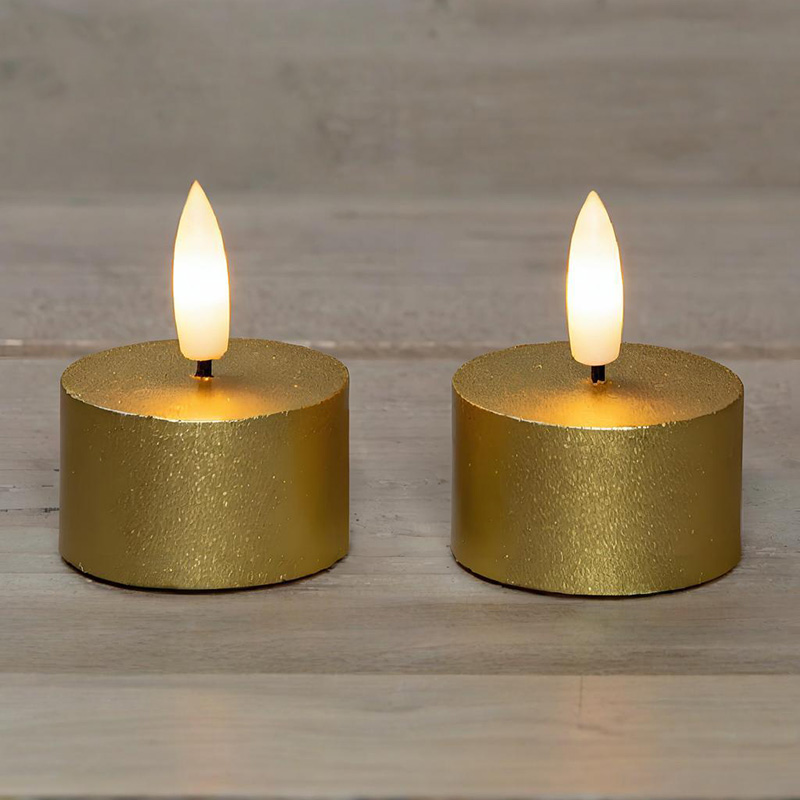
Painted plastic exteriors use molded polypropylene or ABS finished with a matte or textured paint layer to mimic a wax surface at a lower cost and weight. These are the most common format for large bulk orders such as wedding favors or retail multi-packs, since they ship lighter and resist minor impacts better than real wax shells.
Resin or acrylic exteriors sit between the two, offering a glossier finish that suits modern or minimalist decor lines rather than a traditional candle look. These are less common in classic pillar shapes but appear frequently in decorative lantern-style and floating flameless candle products.
Remote Control, Grouping and Smart Features
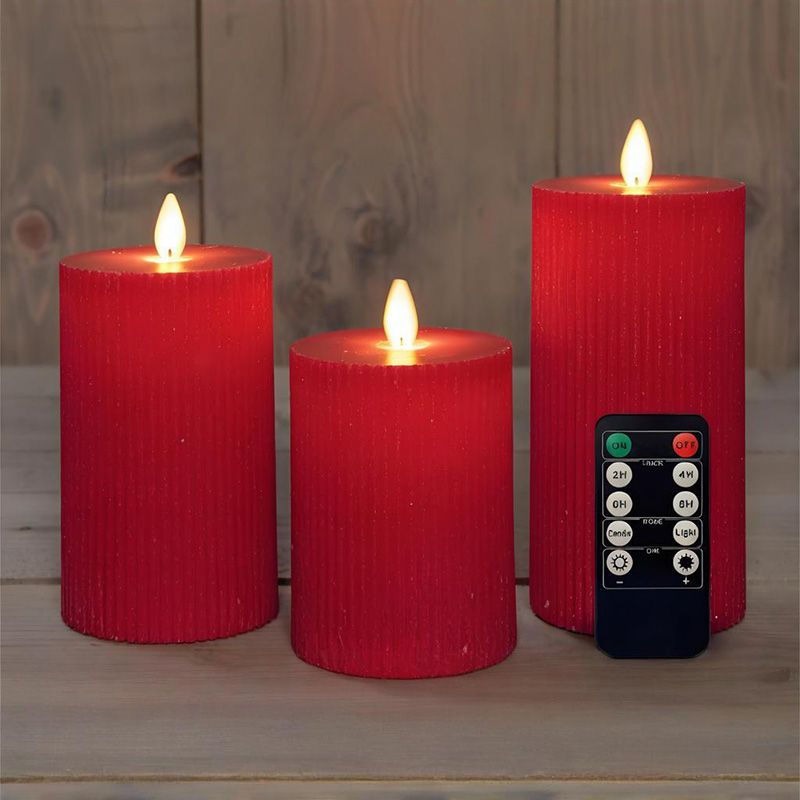
Beyond the basic on and off switch, several feature tiers have become standard across mid-range and premium flameless LED candle lines. An infrared remote is the most common addition, allowing a single handheld device to turn on, turn off, or set the timer for every candle in a room at once rather than reaching each unit individually. This matters most for event staging, where dozens of candles need to switch on together right before guests enter a space.
A smaller number of premium product lines include grouped remote zones, letting a venue control candles in different rooms or table sections on separate schedules from one base remote. Some newer designs also add a dimmer function, letting the user set a lower ambient brightness for daytime use and a fuller glow for evening service, which is a detail commercial buyers increasingly ask about during sourcing calls.
App-connected or Bluetooth-enabled candles exist but remain a small niche of the category, mainly because most buyers find an infrared remote sufficiently convenient and do not want to manage another app for a decorative item. Suppliers positioning a line around app connectivity should expect this to appeal to a narrower, tech-forward segment of the market rather than the mainstream hospitality or event buyer.
How to Choose the Right LED Flame Candle
Selecting between the wide range of flameless LED candles on the market comes down to matching five specifications to the intended setting rather than choosing on appearance alone.
- Color temperature between 2000K and 2400K for the most authentic amber tone
- Wick motion type, choosing motorized sway for close-up decor and static 3D layering for larger batches where cost per unit matters more
- Power format matched to how often the candle will be moved, refreshed, or left in one place long term
- Housing material, since real wax exteriors resist heat and handling better than thin painted plastic over repeated use
- Timer function, which matters far more for commercial buyers running the same candles every night than for a single home purchase
A sixth consideration that experienced buyers add to this list is dimension consistency across a batch. Molded wax and plastic units can vary slightly in height and diameter between production runs, which is usually invisible in a single purchase but becomes noticeable when dozens of candles are lined up along a table or mantle for an event. Requesting a tolerance specification from the supplier, rather than assuming uniformity, avoids this problem for large orders.
Buyers sourcing in bulk for hospitality or events should also request a sample unit before committing to a full order, since flicker quality and color temperature vary noticeably between suppliers even when the listed specifications look identical on paper.
Care and Maintenance for Longer Lifespan
A well made led flame candle can run for several years, but three simple habits extend that lifespan noticeably. Wipe the exterior with a dry cloth rather than a wet one, since moisture entering the battery compartment seams is the most common cause of premature failure. Remove batteries during long storage periods of a month or more to prevent corrosion from a slow discharge. Keep units away from direct heat sources such as radiators or sunny windowsills, since prolonged heat can warp the plastic housing and cloud the diffuser, which dulls the flicker effect over time.
For rechargeable models, partial charging cycles rather than always draining the battery fully will generally preserve capacity longer, which is the same principle that applies to most modern lithium battery devices. Storing a rechargeable unit at roughly half charge, rather than fully depleted or fully topped up, is the best approach for candles that will sit unused for an extended off-season period such as a summer storage gap for winter holiday decor.
Dust buildup on the diffuser or flame tip is another overlooked factor. A light film of dust scatters the LED light unevenly and can make an otherwise good flicker mechanism look dimmer or duller than it actually is, so a quick wipe every few weeks in a high-use commercial setting keeps the flame effect looking as intended.
Sourcing Considerations for Bulk and Private Label Orders
For distributors and retailers sourcing led flame candle products for private label or wholesale resale, a few sourcing details matter more than they might for a single retail purchase. Packaging design is one of the most overlooked factors: a candle destined for e-commerce fulfillment needs drop-test-resistant packaging since the item will pass through multiple sorting facilities, while a candle destined for in-store retail display benefits more from shelf-ready packaging with clear window cutouts showing the flame effect.
Battery inclusion is a second detail worth confirming explicitly in a purchase order. Some manufacturers ship units with batteries pre-installed and ready to use, while others ship batteries separately or exclude them entirely to simplify international shipping, since certain battery types face additional documentation requirements in air freight. Clarifying this before production avoids a mismatch between the finished retail packaging design and what actually ships inside the box.
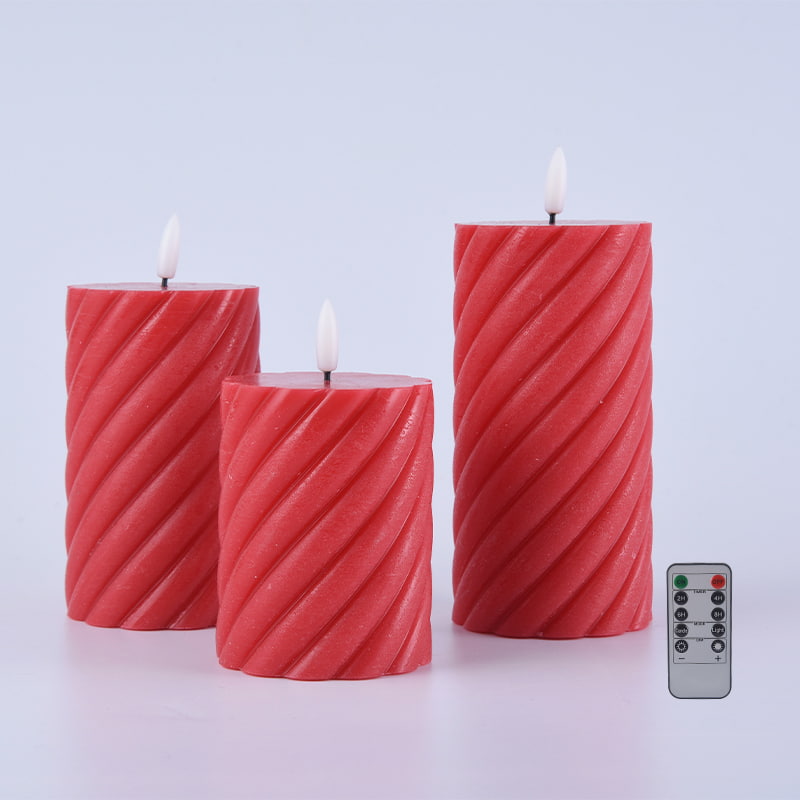
Color and scent customization is a common private label request. Because the LED and flicker chip sit inside a hollow core, the exterior wax or plastic shell can typically be produced in a range of colors, finishes, and even lightly scented wax blends without changing the internal electronics, which makes the category relatively flexible for brands wanting a distinct look without redesigning the core mechanism.
Finally, minimum order quantities in this category tend to scale with customization level. A standard catalog color and size typically carries a lower minimum than a fully custom color, scent, or packaging combination, since custom runs require a dedicated production changeover on the supplier side.
LED Flame Candles Compared to Traditional Wax Candles
| Factor | Flameless LED Candle | Traditional Wax Candle |
|---|---|---|
| Fire risk | None | Present, requires supervision |
| Scent output | None unless scented wax shell used | Available in a wide range |
| Reusability | Years of repeated use | Single use until fully burned |
| Wind and outdoor exposure | Unaffected | Extinguished easily |
| Placement flexibility | Near fabric, paper, and enclosed decor | Requires clearance from flammable material |
| Ongoing cost | Occasional battery replacement | Repurchase after each burn |
Common Issues and Quick Fixes
| Issue | Likely Cause | Suggested Fix |
|---|---|---|
| Flicker looks static or robotic | Low-cost circuit with a short repeat loop | Upgrade to a model advertising true random flicker programming |
| Light dims noticeably before batteries are old | Battery contact corrosion or moisture exposure | Clean contacts with a dry cloth and replace with fresh batteries |
| Timer stops working consistently | Internal clock reset from a battery change | Reset the timer function following the reset sequence for that model |
| Wick tip stops swaying | Debris caught in the small motor mechanism | Gently clean around the base of the flame tip with a dry, soft brush |
| Remote control stops responding | Depleted remote battery or signal obstruction | Replace the remote's coin cell battery and remove obstructions between remote and candle |
Frequently Asked Questions
Do flameless LED candles look realistic up close?
Yes, provided the unit uses a warm color temperature near 2200K and a random flicker chip rather than a fixed loop. Up close, motorized wick versions with a physical sway read as more convincing than fully static 3D layered designs.
How long do the batteries typically last in an led flame candle?
Standard alkaline batteries in a candle with a daily timer generally last several weeks to a few months depending on how many hours per day the timer is set for, while rechargeable built-in models typically need charging every 10 to 20 hours of continuous use.
Can flameless LED candles be used outdoors?
Many models are built with weather-resistant housings suitable for covered patios or event tents, though buyers should confirm the housing rating for their specific unit before leaving it exposed to rain or direct sun for extended periods.
What is the difference between a moving wick and a static flame LED candle?
A moving wick model uses a small motor or magnetic mechanism to physically sway the flame tip, producing the most lifelike movement. A static or 3D layered model has no moving parts and relies purely on layered LED lighting to simulate depth and flicker, which lowers cost and extends mechanical lifespan.
Are flameless LED candles suitable for large-scale event use?
Yes, and this is one of the largest growth areas for the category. Event planners favor them because dozens or hundreds of units can be placed without fire monitoring staff, and a built-in timer means every candle switches on at the same moment without manual lighting.
Can the color and scent of an led flame candle be customized for a private label order?
In most cases yes, since the exterior wax or plastic shell is produced separately from the internal LED and flicker components. Buyers can typically request custom colors, finishes, and lightly scented wax blends without altering the electronics, though minimum order quantities usually rise with the level of customization requested.
Do flameless LED candles need to be replaced often?
A well maintained unit with a quality LED and circuit board can remain in service for several years of regular use. The parts most likely to need attention over time are the batteries themselves and, in motorized wick models, the small motor mechanism, rather than the LED chip, which typically outlasts the rest of the unit.