
 English
 Español
 Content
- 1 Tapered Candles Still Set the Standard for Slim, Elegant Table Lighting
- 2 A Short History of Why the Taper Shape Became the Default for Formal Lighting
- 3 Inside an LED Taper Candle: How the Flicker Effect Is Built
- 4 Traditional Wax Tapers Compared With LED Taper Candles
- 5 Where LED Taper Candles Are Doing the Heaviest Work Right Now
- 6 Sizing Guide: Matching Taper Height and Diameter to the Holder
- 7 Color and Finish Options Buyers Are Ordering Right Now
- 8 A Buyer's Checklist Before Placing a Bulk Order
- 9 Ninghai Shuangmei Electronic Co.,Ltd: Manufacturing Capacity Behind the Product
- 10 Cost of Ownership: Why the Math Favors LED Over a Full Season
- 11 Keeping LED Taper Candles Running Longer: Batteries, Storage, and Care
- 12 Frequently Asked Questions
- 12.1 Are LED taper candles bright enough to replace real candlelight at a dinner table?
- 12.2 Do LED taper candles fit standard candle holders?
- 12.3 How long does a wax-coated LED taper candle last in appearance before it needs replacing?
- 12.4 Can LED taper candles be used outdoors?
- 12.5 What is the typical minimum order quantity for a factory like Ninghai Shuangmei Electronic Co.,Ltd?
- 12.6 Do LED taper candles flicker realistically, or do they just blink?
- 12.7 Can a taper set include a synchronized remote for a whole table at once?
- 12.8 What is the difference between an IR and an RF remote for these candles?
- 12.9 Do wax-shell LED tapers have any scent?
- 12.10 Is it possible to order custom colors or private label packaging for taper candles?
Tapered Candles Still Set the Standard for Slim, Elegant Table Lighting
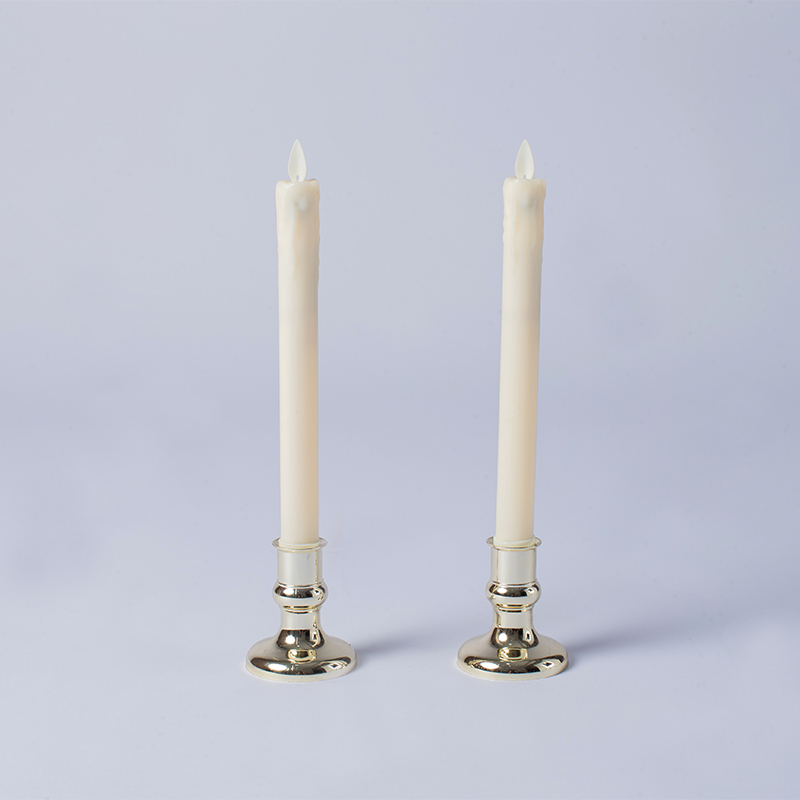
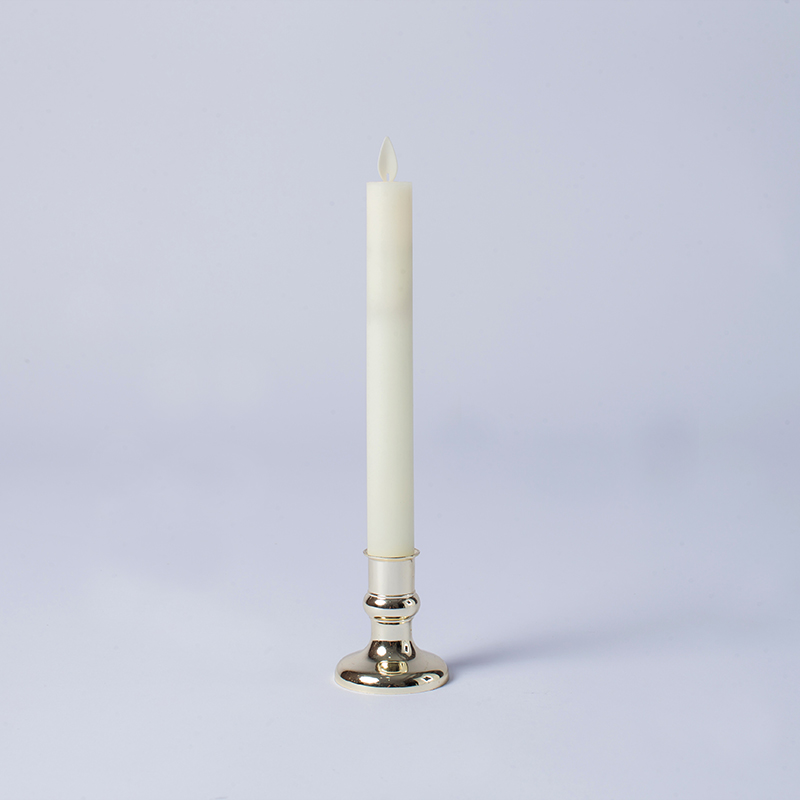
Tapered candles remain the tallest, slenderest members of the candle family, and that narrow silhouette is exactly why designers keep reaching for them on dinner tables, altars, and mantels. A taper candle is defined by its consistent, gently tapering diameter from base to tip, usually between 7 and 12 inches tall and under an inch wide, built to sit inside a slim holder rather than stand on its own base. The direct answer for anyone comparing formats: if the goal is height, a formal look, and a small footprint on a crowded table, tapers outperform pillar or votive candles every time. What has changed in recent buying cycles is not the shape but the power source, with LED taper candles now filling the same holders once reserved for paraffin wax.
The shift toward battery powered and rechargeable tapers is driven by three practical pressures: venues restricting open flame, households wanting reusable decor instead of consumable wax, and event planners needing a look that survives photographs without wax drips on linens. This article walks through the history of the taper shape, how LED taper candles are built, how they compare to wax originals, where they are being deployed right now, how to size and color-match an order, and what to check before placing a bulk order with a manufacturer such as Ninghai Shuangmei Electronic Co.,Ltd, a Ningbo, Zhejiang based factory that has built its production around exactly this category.
Search interest and retail listings for flameless taper candles have both grown steadily through late 2025 and into 2026, with new releases in the category now dominated by remote-controlled, rechargeable models rather than single-use battery sets. That shift matters for anyone sourcing at volume, since it changes what buyers now expect as a baseline feature rather than a premium add-on.
A Short History of Why the Taper Shape Became the Default for Formal Lighting
The taper candle predates almost every other candle format in common use today. Long before molded pillars or poured jar candles existed, tapers were made by repeatedly dipping a wick into melted tallow or beeswax, building up thin layers until the candle reached its finished diameter. That dipping process naturally produces a candle that is widest at the base and narrows slightly toward the tip, which is where the tapered profile comes from in the first place, not from any deliberate styling choice.
Because dipped tapers were the easiest and cheapest format to produce by hand, they became the default candle for churches, dining tables, and everyday households for centuries, long before pillar candles, which require a mold, became common. That history is part of why tapers still read as the more formal, traditional option today: dining etiquette guides and event styling references consistently place tapers above pillars and votives on the formality scale, which is why they remain the default choice for weddings, holiday dinners, and religious observances.
The move to electric and battery powered versions is a comparatively recent development, following the broader flameless candle category that began gaining retail shelf space in the early 2000s and has expanded significantly as LED cost and quality improved. The taper shape itself has not changed in hundreds of years; only the light source inside the holder has.
Inside an LED Taper Candle: How the Flicker Effect Is Built
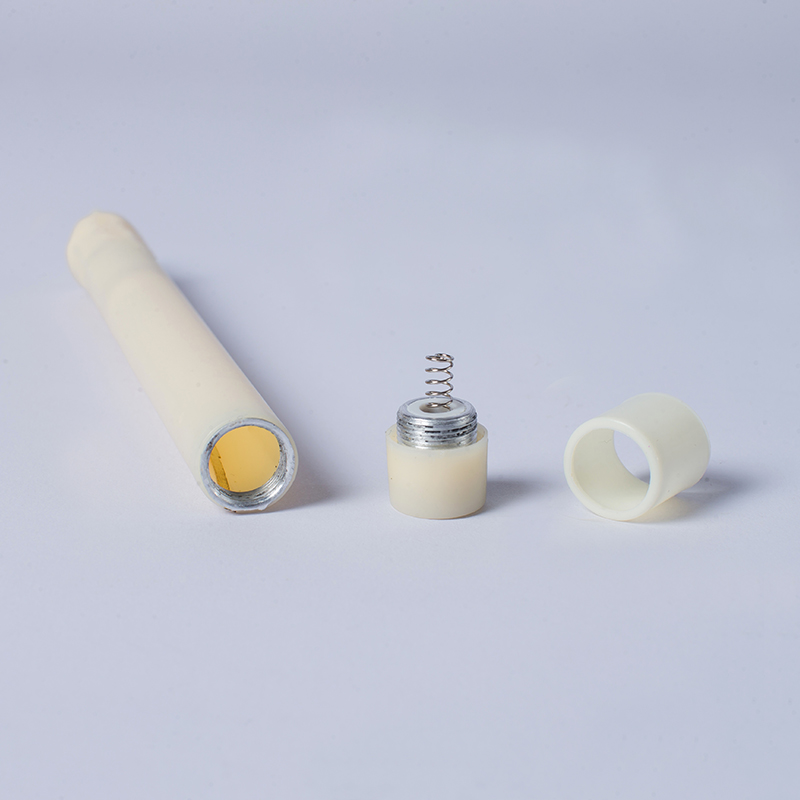
A modern LED taper candle is a small lighting assembly disguised as a wax stick. Four components determine whether the flicker looks convincing or looks like a toy:
- A warm white LED, typically rated between 2700K and 3000K, chosen because that color temperature matches the amber tone of a real paraffin flame far more closely than a cooler white diode.
- A moving or bending "flame tip," made from a flexible plastic or silicone blade that a small internal fan or magnetic actuator sways, so the light source itself physically moves instead of just dimming and brightening.
- A microchip that randomizes the flicker pattern rather than looping the same three seconds of animation, which is the single biggest giveaway between a cheap unit and a realistic one.
- A body shell, either injection molded plastic or a genuine paraffin wax coating poured over a plastic core, with the wax version giving a taper the drip texture and matte surface that plastic alone cannot replicate.
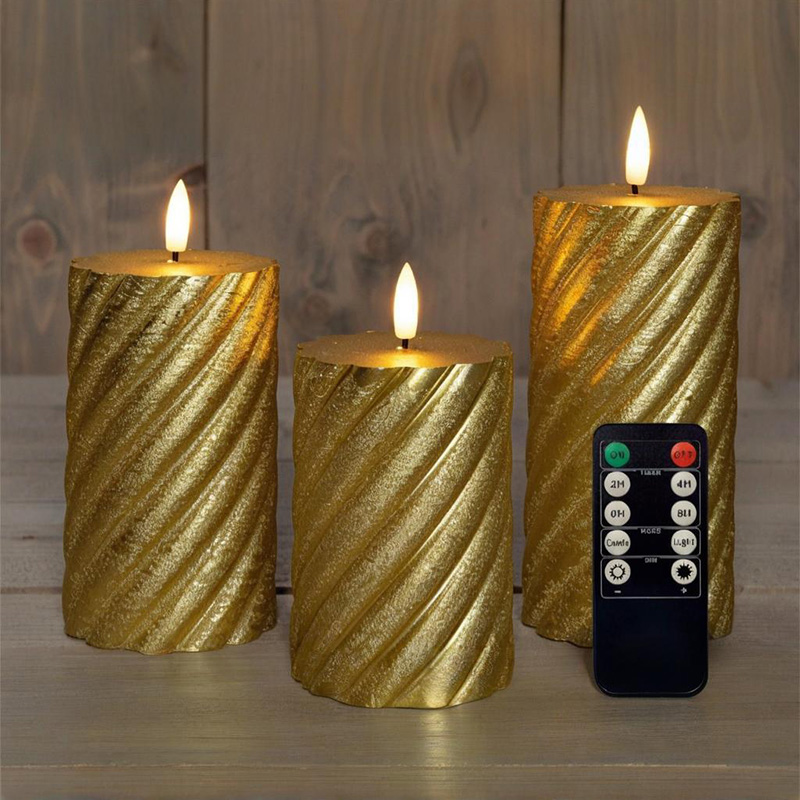
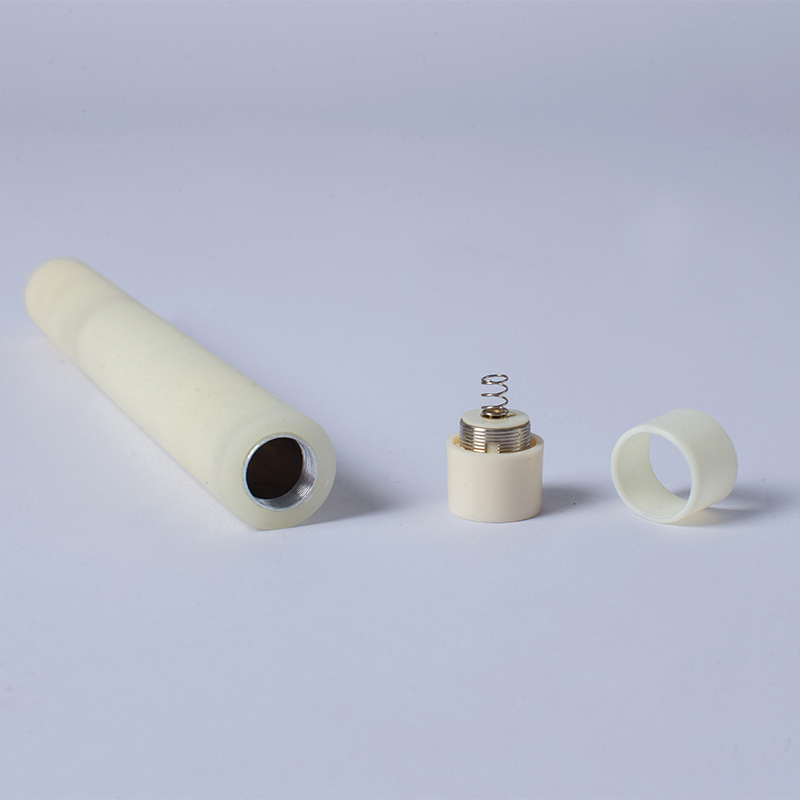
Power comes from either replaceable coin or AA/AAA batteries, or from a built in lithium cell charged through a USB-C port or a magnetic charging base shared across a set. Rechargeable sets have become the dominant format for bulk orders because they remove the recurring cost of batteries across dozens of units placed on a long table. Most current production also includes a small IR or RF remote that controls a 2, 4, 6, or 8 hour on-timer, so an entire tablescape switches on at dusk without anyone walking around flipping individual switches.
The internal fan or swing-arm mechanism that moves the flame tip is worth understanding in more detail, since it is the single component most responsible for how realistic the candle looks from across a room. Lower-cost units use a fixed vibration motor that shakes the entire flame tip in a repetitive left-right motion, which reads as mechanical within a few seconds of viewing. Higher-cost units use a small internal fan that blows softly upward against a flexible blade, producing an irregular, non-repeating sway much closer to how air currents move a real flame. The difference in manufacturing cost between the two mechanisms is small, but the difference in visual quality is significant, which is why it is worth requesting a sample rather than relying on a spec sheet description alone.
Wax Shell vs Plastic Shell: What the Housing Material Actually Changes
Buyers often assume the shell is cosmetic, but it changes three things a customer will notice within the first week of use. A real wax shell, poured over the internal electronics, reflects light the way a burning candle does, with a soft diffusion rather than a hard plastic sheen, and it holds a faint candle scent from the wax itself even without a fragrance additive. A plastic shell is lighter, more resistant to cracking in cold outdoor placement, and considerably cheaper to produce at volume, which is why plastic bodied tapers dominate the budget and outdoor segments while wax bodied tapers dominate weddings and indoor entertaining where close-up appearance matters most.
Weight is a secondary factor that matters more than most buyers expect. A wax-coated taper sits more securely in a candlestick because its added mass lowers the center of gravity, while a lightweight plastic taper is more prone to tipping in a tall, narrow holder, particularly outdoors where a breeze can catch it. Reviewers of budget flameless taper sets frequently cite this exact issue, describing units as attractive but easy to knock over because of how little they weigh compared with the holders they are designed for.
Traditional Wax Tapers Compared With LED Taper Candles
The decision between wax and LED rarely comes down to price alone. The table below lays out the practical differences that actually drive a purchasing decision for events, hospitality, and home use.
| Factor | Wax Taper Candle | LED Taper Candle |
|---|---|---|
| Burn time per unit | 7 to 9 hours, then discarded | 50 to 100+ hours per charge or battery set, reusable indefinitely |
| Open flame risk | Present; unsuitable near curtains, dry florals, children, pets | None; approved for venues that restrict open flame |
| Wax drip and cleanup | Requires drip trays, wax removal from linens and holders | No dripping; wax shell stays solid and unmelted |
| Outdoor use | Extinguished easily by wind | Unaffected by wind; some models rated for outdoor moisture exposure |
| Cost per event, 30 candles | Low unit cost, repeated every event | Higher upfront cost, reused across many events |
| Scent | Available, natural wax burn scent | Only if a wax shell or separate scent element is added |
| Consistency across a large set | Burn rate varies with wick trim and draft | Every unit performs identically once timer and brightness are set |
| Storage between uses | Softens in heat, cracks in cold, limited shelf life | Stable in most indoor storage conditions for years |
The row on consistency is one that professional event stylists raise often but that casual buyers rarely think about in advance. Thirty wax tapers lit at the same moment will not burn down at the same rate, since wick trim, draft exposure, and even the wax batch itself introduce small variations, so a table photographed two hours into an event will show candles of noticeably different heights. LED tapers avoid this entirely, since the flame element does not change shape or shrink at all over the course of an evening.
Where LED Taper Candles Are Doing the Heaviest Work Right Now
Demand for this format is no longer limited to Halloween window displays. Five settings account for most current sourcing volume.
Weddings and Formal Events
Venues that host receptions in tents, historic buildings, or spaces with fire code restrictions have pushed LED tapers into the default position for aisle lighting, centerpiece clusters, and unity candle ceremonies. Planners favor sets that include a remote with a synchronized on/off function, since a room full of forty tapers switching on at once reads far better than staff walking table to table. Rental companies in particular favor ivory and warm white finishes with a real wax shell, since these read closest to traditional ceremony candles in photographs, and they favor rechargeable formats over disposable batteries because a rental fleet gets reused dozens of times per season.
Hospitality and Hotel Dining
Restaurants and hotel banquet rooms use LED tapers on tables that turn over multiple times a night, where relighting wax candles between seatings is a staffing burden. A rechargeable taper left on its charging base between services solves that without any daily consumable cost. Several hospitality buyers report standardizing on a single taper height and finish across an entire property specifically so that replacement units, chargers, and remotes remain interchangeable between the restaurant, the lobby, and event spaces.
Everyday Home Decor
Households with young children or pets increasingly keep LED tapers on mantels and dining tables year round, reserving real wax candles for supervised, single-evening use. This is also the segment driving demand for tapers with a genuine wax coating, since the appearance under normal room lighting is what home buyers scrutinize most in reviews, and it is the segment most likely to leave a written product review comparing the flicker realism against previous purchases.
Seasonal and Holiday Window Displays
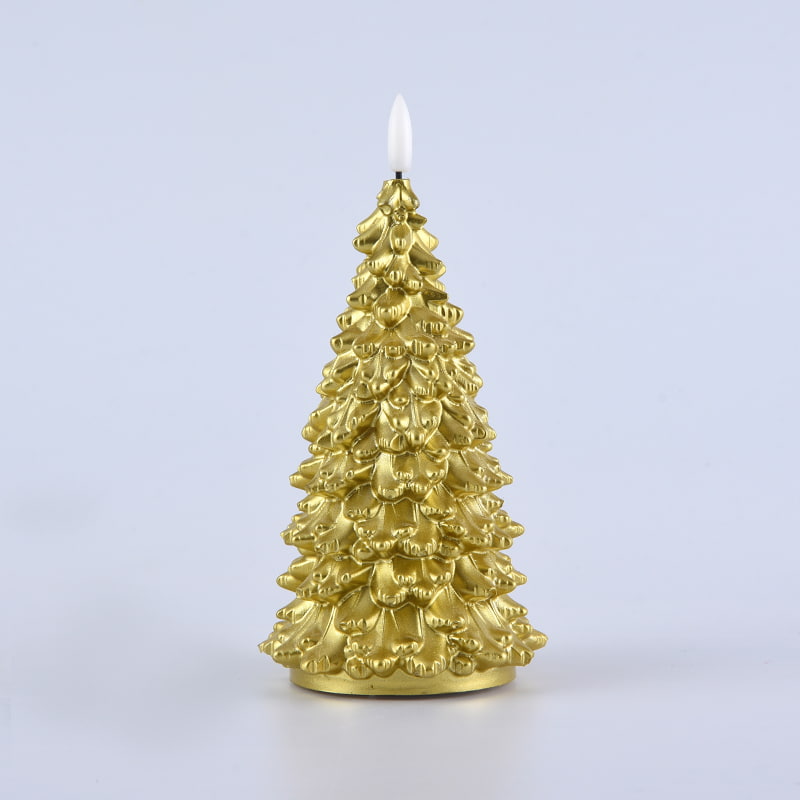
Window sill placements for Christmas and Halloween are almost entirely LED now, since these candles often run on a daily timer for weeks at a stretch, a duty cycle that would be impractical and unsafe with an open flame. Colored and themed finishes, including black tapers with a red drip design for Halloween and deep green or red tapers for Christmas, sell in far higher volume during these windows than the standard ivory finish does year round.
Religious and Memorial Observances
Places of worship and memorial services increasingly use LED tapers where candle-lit vigils or processions were previously held with open flame, particularly for large indoor gatherings where fire marshals limit the number of open flames permitted in an assembly space. The requirement here is usually a longer single runtime, since these events can run several hours without a break to swap batteries or return to a charging base.
Sizing Guide: Matching Taper Height and Diameter to the Holder
Fit matters more with tapers than with almost any other candle format, since a taper that is even slightly narrower than its holder will lean or fall out entirely. The base diameter of a standard taper candle sits between 0.75 and 0.875 inches, matching the inner opening of most traditional candlesticks, which were originally sized around wax taper dimensions that have stayed essentially unchanged for generations.
| Height | Typical Diameter | Common Placement |
|---|---|---|
| 7 inches | 0.75 inch | Everyday dining, small centerpieces |
| 9 to 10 inches | 0.75 to 0.8 inch | Standard dinner table, wedding centerpieces |
| 11 to 12 inches | 0.8 to 0.875 inch | Formal events, altar and ceremony settings, tall floor candelabras |
Where a holder opening is slightly larger than the taper base, a thin adhesive taper wax collar or a small metal candle adapter closes the gap, and most experienced buyers keep a stock of these adapters on hand specifically because holder openings vary more than taper diameters do. When sourcing directly from a factory, requesting the exact base diameter in millimeters rather than relying on an approximate inch measurement avoids a mismatch once a full order of holders and candles arrives on site.
Color and Finish Options Buyers Are Ordering Right Now
Ivory and warm white remain the two highest-volume finishes across every use case, since both work in nearly any color scheme and photograph consistently under both daylight and evening lighting. Beyond that baseline, ordering patterns split clearly by season and application.
- Black tapers with a red wax-drip texture sell heavily in the weeks surrounding Halloween, often paired with matching pillar and votive sets from the same finish line.
- Deep red and evergreen finishes dominate the Christmas ordering window, typically alongside gold or silver accented flame tips.
- Blush pink and champagne tones are the most requested colors for spring and summer weddings, chosen specifically because they read as neutral rather than seasonal in photographs.
- Plain unfinished wax tone, without added color pigment, remains the top choice for religious and memorial use, where a traditional candle appearance is expected.
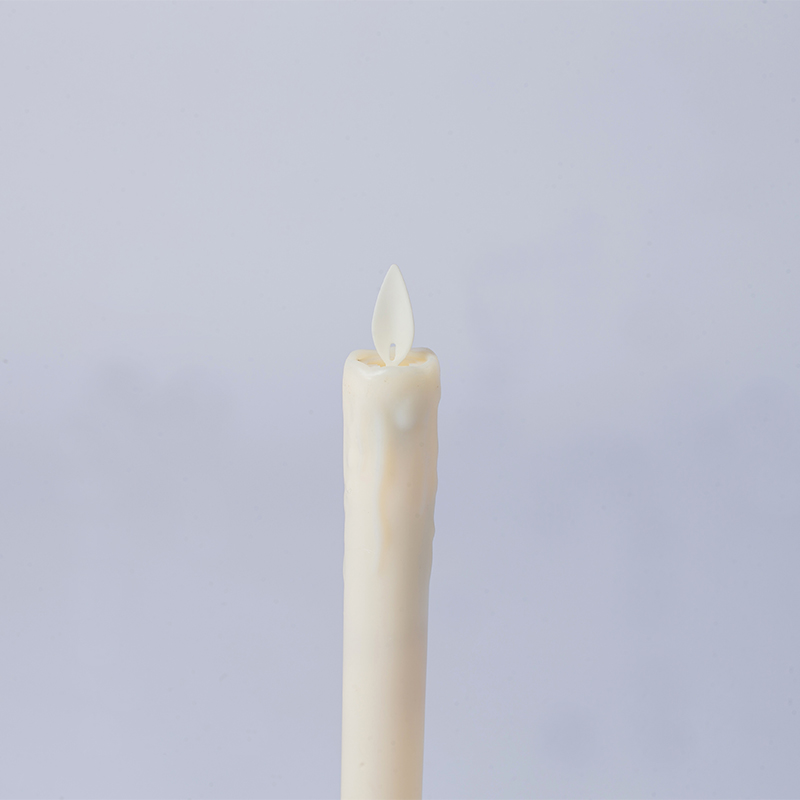
Textured finishes, including a hand-dipped drip texture molded into the wax shell, have grown as a differentiator between suppliers, since a smooth uniform shell reads as more clearly artificial than a shell with the irregular drips a real hand-dipped candle would develop over repeated use.
A Buyer's Checklist Before Placing a Bulk Order
Sourcing managers evaluating suppliers for LED taper candles, including outdoor rated and rechargeable lines, generally work through the same short list of specifications before committing to a purchase order.
- Confirm the light color temperature; 2700K to 3000K warm white matches real flame color, while anything above 3500K reads as artificial.
- Ask whether the flicker pattern is randomized by a chip or follows a short repeating loop, since repeating loops become distracting in large clusters.
- Check the power format: replaceable batteries suit low-volume retail, while built-in rechargeable cells with a shared charging base suit hospitality and rental fleets ordering in the hundreds.
- Verify shell material and finish, matte poured wax versus glossy injection plastic, against the intended price tier and end use.
- Request minimum order quantity, standard lead time, and available height and color options, since taper height typically ranges from 7 to 12 inches with ivory, white, black, and seasonal colorways as the most requested SKUs.
- Ask about outdoor durability if the candles will sit on a patio, porch, or garden path, since housing seals and battery compartment placement vary significantly between indoor-only and outdoor rated units.
- Confirm base diameter in millimeters against your existing candlestick or holder stock before finalizing quantities.
- Request sample units before a full production run, specifically to evaluate the flicker mechanism in person rather than from a spec sheet or promotional video.
- Ask about private label and custom packaging options if the candles will be resold under your own brand rather than distributed as a component of a larger event or venue order.
Ninghai Shuangmei Electronic Co.,Ltd: Manufacturing Capacity Behind the Product
Ninghai Shuangmei Electronic Co.,Ltd operates out of Ningbo, Zhejiang Province, a region long established as a manufacturing base for lighting and home decor hardware, and the company has concentrated more than a decade of production specifically on flameless and flickering LED candles. The factory runs six dedicated production lines with a combined daily output above 10,000 units, a scale that supports both large single-order runs for hospitality chains and mixed smaller runs for retail and gifting customers.
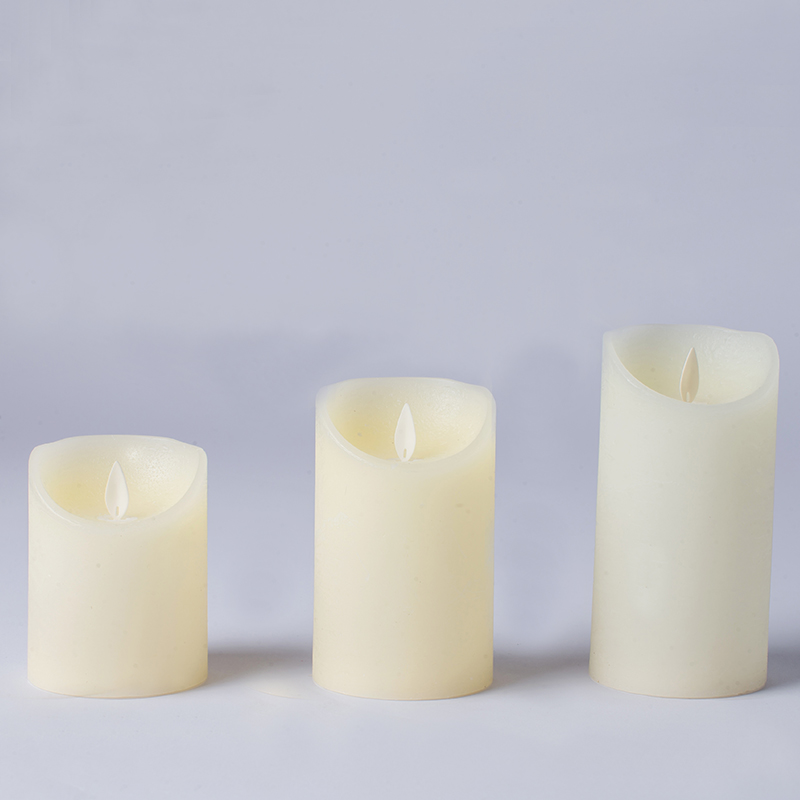
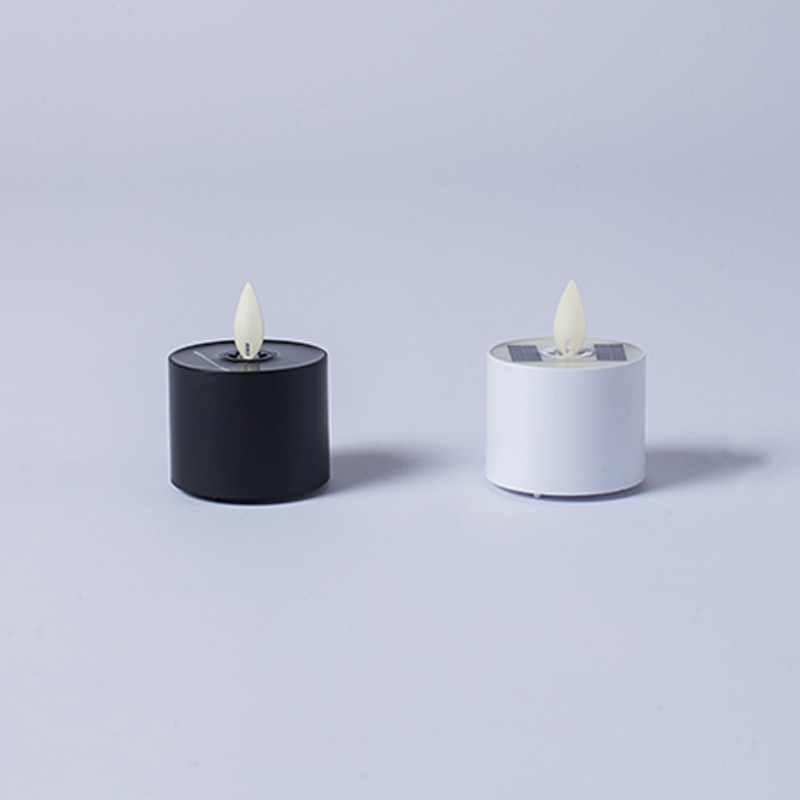
The product range extends across the full candle family rather than a single format, covering pillar candles, votives and tealights, taper candles, and solar powered outdoor candles, which lets a single buyer consolidate an entire venue's lighting order, from a hallway pillar to a dining table taper, through one supplier. This matters more than it might first appear for hospitality buyers, since ordering an entire property's candle needs from one factory keeps flicker style, color temperature, and finish consistent across every room rather than mixing components sourced from several different vendors with slightly different LED tones.
Quality control on the taper line is applied at each stage of assembly, from LED binning for consistent color temperature to shell pouring for the wax-coated models, with inspection built into the production flow rather than performed only at final packing. For buyers weighing a wax-shell taper against a plastic-shell taper, Ninghai Shuangmei's parallel production of both housing types on adjoining lines allows side-by-side sampling before a full order is placed. The factory's export experience spans clients across Europe, the Americas, Japan, and South Korea, giving it working familiarity with the packaging, labeling, and shipping documentation expectations that differ across those regions.
For buyers developing a private label product, the factory's dual capability of both plastic-shell and real-wax-shell production also opens up tiered product lines under a single brand, an entry-level plastic taper alongside a premium wax-coated taper, produced on the same base electronics platform so both tiers share the same remote, timer functions, and flicker quality.
Cost of Ownership: Why the Math Favors LED Over a Full Season
A single wax taper candle burning for roughly 8 hours before it needs replacing means a venue running candlelit dinners nightly is discarding and repurchasing tapers on a near-daily basis. Across a single month of nightly service on a property running even twenty tables, that adds up to hundreds of individual candles purchased, unpacked, placed, and eventually disposed of as spent wax and blackened wicks. An LED taper purchased once and recharged or re-batteried continues in service for years rather than hours, which is the core argument hospitality buyers make when justifying the higher upfront unit cost against a wax alternative.
The comparison is less one-sided for occasional home use or single events, where the labor and disposal savings of an LED taper matter less than they do for a business running candlelit service every night. A household hosting a handful of dinner parties a year, or a couple buying tapers for a single wedding day, may find the simple romance and scent of a real wax taper worth the one-time cost, even knowing the candle will not be reused. The dividing line is frequency of use: the more often the same candles will be lit, the stronger the case for LED.
Keeping LED Taper Candles Running Longer: Batteries, Storage, and Care
LED tapers are built to be reused across dozens of events, but the shell and electronics still need basic care to reach their full service life. Store units flame-tip up in their original packaging or a flat tray rather than loose in a box, since the bending flame blade is the most delicate part of the assembly. Wipe wax-coated shells with a dry cloth rather than water, since moisture trapped between the wax layer and the plastic core can affect the LED driver over time. For battery powered models, remove batteries during storage periods longer than a month to prevent corrosion at the contact points, and for rechargeable models, top off the charge every few weeks even during storage rather than letting the internal cell sit fully drained.
| Power Format | Runtime per Cycle | Expected Total Lifespan |
|---|---|---|
| Replaceable AA/AAA batteries | 60 to 100 hours per battery set | 2 to 3 years with regular use |
| Built-in rechargeable lithium cell | 10 to 15 hours per full charge | 300 to 500 charge cycles, roughly 2 to 3 years of weekly use |
| Coin cell battery | 40 to 60 hours per battery | 1 to 2 years, common in lower-cost retail sets |
Transporting tapers between events is another point where damage commonly occurs. The flame-tip blade sits proud of the candle body and can snag or bend if candles are packed flame-first against each other, so foam-lined transport cases with individual slots, oriented base-down, hold up far better across a rental fleet than a general-purpose storage box. Cleaning the exterior wax shell periodically with a soft, dry cloth also keeps the surface from dulling, since handling oils from repeated setup and teardown gradually build a light film on a matte wax finish.
Frequently Asked Questions
Are LED taper candles bright enough to replace real candlelight at a dinner table?
Most models are tuned deliberately dim, closer to the light output of a real taper than to a room lamp, since the goal is ambiance rather than task lighting. Brightness is usually adjustable across two or three levels through the included remote.
Do LED taper candles fit standard candle holders?
Yes, taper candles are manufactured to the same base diameter as traditional wax tapers, typically around 0.75 to 0.8 inches, so they sit in standard candlesticks, sconces, and centerpiece holders without an adapter.
How long does a wax-coated LED taper candle last in appearance before it needs replacing?
Since the wax shell never melts, the visual appearance holds for years rather than hours; the limiting factor is the electronics and battery, not the wax coating itself.
Can LED taper candles be used outdoors?
Outdoor rated tapers, distinguished by sealed battery compartments and weather-resistant housing, are built for patios, porches, and garden placements, while standard indoor models should be kept away from direct rain or prolonged moisture exposure.
What is the typical minimum order quantity for a factory like Ninghai Shuangmei Electronic Co.,Ltd?
Minimum order quantities vary by SKU and customization level, so it is standard practice to request current MOQ, lead time, and available colorways directly from the factory before finalizing a purchase order.
Do LED taper candles flicker realistically, or do they just blink?
Quality varies significantly by model. Units with a moving flame blade and randomized flicker chip produce a convincing, non-repeating flame motion, while lower-cost units with a static LED and simple brightness pulsing tend to look mechanical up close.
Can a taper set include a synchronized remote for a whole table at once?
Yes, most current sets ship with an IR or RF remote capable of controlling every unit in the set simultaneously, including shared timer and brightness settings, which is the feature planners rely on for lighting an entire table or aisle at once.
What is the difference between an IR and an RF remote for these candles?
An infrared remote requires a direct line of sight to each candle's receiver, which works well for a single tablescape but struggles across a large room with obstructions, while a radio frequency remote controls units through walls and around obstacles, making it the better choice for larger venues or multi-room setups.
Do wax-shell LED tapers have any scent?
A genuine paraffin wax shell carries a faint, natural wax scent even without an added fragrance, though it is far lighter than a burning candle's scent throw, since there is no heat melting the wax to release fragrance oils.
Is it possible to order custom colors or private label packaging for taper candles?
Factories producing at the scale of Ninghai Shuangmei Electronic Co.,Ltd typically support custom color matching and private label packaging for orders above a supplier's minimum order quantity, making this a standard request during initial sourcing conversations rather than an unusual one.