
 English
 Español
 Content
- 1 What a Wax Candle With LED Lights Actually Is
- 2 How the Wax Shell and LED Core Work Together
- 3 Where the Moving Flame Effect Came From
- 4 Real Wax Shell vs Plastic Shell Candles
- 5 Battery Life by Candle Type
- 6 Long Term Cost and Environmental Comparison With Real Candles
- 7 Where Wax Candles With LED Lights Make the Biggest Difference
- 8 Choosing by Room and Occasion
- 9 What the Fire Safety Data Actually Shows
- 10 Flicker Technology: Not All LED Candle Lights Look the Same
- 11 Remote Control, Timers, and Smart Features
- 12 Choosing Size and Color Temperature
- 13 Care and Maintenance
- 14 Sourcing and Quality Control for Bulk Orders
- 15 Frequently Asked Questions
What a Wax Candle With LED Lights Actually Is
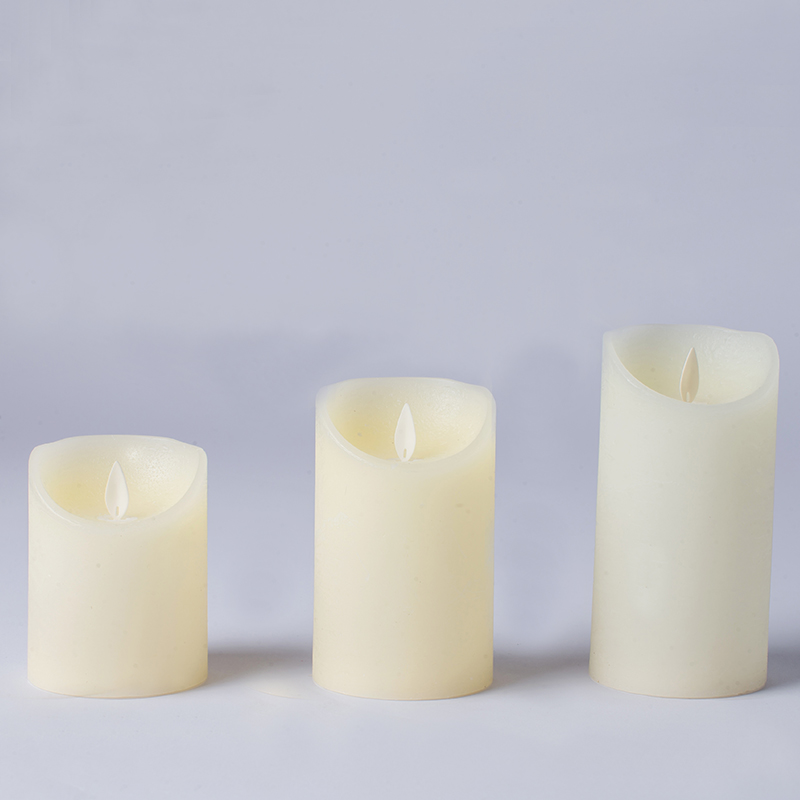
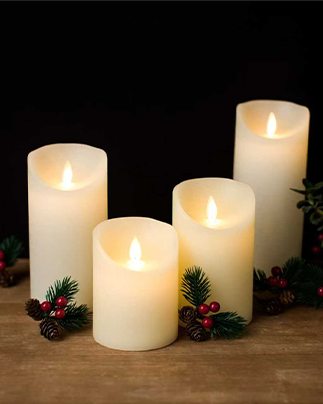
A wax candle with LED lights is a genuine paraffin, soy, or beeswax candle body built around a small battery powered LED module instead of a wick. The outside is real, hand poured wax with the same weight, matte texture, and drip detailing as a traditional candle, while the light source inside is fully electronic. This is the key difference buyers usually want clarified: it is not a plastic shell painted to look like wax, it is an actual wax candle that happens to glow through LED candle lights rather than a flame.
The appeal comes down to one trade off solved cleanly: people want the look, smell, and feel of a real candle without an open flame to manage. According to the U.S. Department of Energy, LED light sources use at least 75 percent less energy than incandescent bulbs and last roughly 25 times longer, which is part of why LED modules have become the default choice for flameless candle manufacturers rather than incandescent bulbs or older neon style bulbs.
Below, every practical angle a buyer or specifier needs is covered: how the wax shell and LED core are built, how real wax compares with plastic shell alternatives, battery life by candle type, a full long term cost and environmental comparison against real burning candles, where these candles are used most, what the fire safety data actually shows, how the moving flame effect was developed, and how to choose size, color temperature, room placement, and features for a specific space, along with sourcing guidance for anyone buying in bulk.
How the Wax Shell and LED Core Work Together
Every wax candle with LED lights is built the same basic way, regardless of brand or price point. The construction happens in four stages, and understanding them helps explain why quality varies so much between a two dollar tealight and a premium hand poured pillar.
- The wax shell is poured or carved around a hollow steel or aluminum mold, leaving a cavity at the core sized to fit the electronics. Real wax candles use paraffin, soy wax, or wax blends, and the outer surface can be hand dipped for a dripped, uneven finish that mimics a burned taper.
- A driver circuit and coin cell or AA battery holder sit inside the hollow cavity, wired to the LED at the top of the candle. On better made candles this cavity is lined so the electronics do not rattle loosely inside the wax.
- A diffuser cap covers the LED itself. Basic candles use a single fixed LED behind frosted plastic. Higher tier candles use a small suspended metal or fabric wick shaped piece that physically moves in response to a tiny motor or magnet, giving a genuine swaying flicker instead of a programmed light pattern.
- A switch, push button, or remote receiver sits at the base, controlling on and off state, and on more advanced models, brightness, color, and a daily timer.
The quality of stage three, the flicker mechanism, is what separates a candle that reads as obviously fake from one that fools people at a glance across a dinner table, and it is the single detail worth examining most closely before placing an order.
Why the LED Position Inside the Wax Matters
Cheaper manufacturing places the LED directly at the tip of the wax with no depth, which produces a flat, one dimensional glow visible mainly from the front. Better designs recess the LED slightly below the wax surface and surround it with a translucent wax lip, so light diffuses outward in every direction the way a real flame illuminates the inside of a wax pool near the wick. This single design choice is often what people are reacting to, without realizing why, when they say one candle looks more real than another priced the same.
Where the Moving Flame Effect Came From
The realistic swaying flicker used in premium wax candles with LED lights today did not start in the candle industry at all. The core mechanism, a small suspended flame shaped piece moved by a hidden magnet while an LED lights it from below, was originally engineered for a theme park attraction in the early 2010s, where designers needed candelabras that looked lit without any open flame or heat risk inside an enclosed indoor ride. The technology was later licensed out to specialty candle manufacturers, and over roughly a decade it filtered down from expensive licensed novelty items into mainstream home decor and hospitality supply catalogs as patents expired and manufacturing costs fell.
This history explains the price spread still visible in the market today. Candles using an early style fixed LED with only a randomized brightness flicker sit at the low end of pricing, while candles using a true moving flame element, the design descended from that original attraction engineering, sit noticeably higher, even when the wax shell and battery specs are otherwise identical.
Real Wax Shell vs Plastic Shell Candles
Not every flameless candle on the market uses real wax. Many budget options use molded polypropylene or acrylic shaped and painted to resemble wax. Both have a place, but they solve different problems.
| Feature | Real Wax Shell | Plastic Shell |
|---|---|---|
| Surface texture | Matte, slightly warm to the touch, can be hand dripped | Smooth or textured molding, uniform finish |
| Weight in hand | Heavier, feels close to a real burned candle | Lighter, noticeably hollow |
| Scent compatibility | Can be lightly scented like a traditional candle | Scent added as a spray or insert, fades faster |
| Heat and sun tolerance | Can soften or bend near direct heat or window sun | Holds shape in heat, better for outdoor or car displays |
| Typical best use | Home decor, weddings, hospitality tabletop | Outdoor decor, high traffic public spaces, rentals |
For anyone buying in bulk for hospitality or event use, this table is usually the deciding factor before price even enters the conversation, since a candle stored in a warm storage room or placed near a sunny window will behave very differently depending on the shell material.
Battery Life by Candle Type
Runtime is one of the most common questions from buyers, and it depends entirely on candle size and battery type rather than on the LED itself, since LEDs draw very little current.
| Candle Type | Battery | Typical Runtime |
|---|---|---|
| Tealight | 1x CR2032 | 100 to 200 hours |
| Votive or taper | 2x AA or AAA | 150 to 300 hours |
| Small pillar | 2x C cell | 500 to 700 hours |
| Large pillar | 3x D cell | Up to 1,500 hours |
Two habits stretch battery life noticeably in real use. First, use the built in timer function rather than leaving the candle on continuously, since most timers cycle five to eight hours on and the rest of the day off, which can roughly triple usable weeks per battery set compared with constant use. Second, name brand batteries genuinely outperform unbranded cells in coin cell and AA formats, often by a wide margin, because the discharge curve on cheaper cells drops off faster under the LED's steady draw.
Rechargeable Alternatives
A smaller share of the market now offers rechargeable wax candles with LED lights, charged through a small port hidden at the base or through a magnetic charging dock shared across several candles. These suit households and venues that already replace many disposable batteries per season, though they add an upfront cost premium and require a charging routine, so they make more sense for daily use pieces than for occasional seasonal decor that sits in storage most of the year.
Long Term Cost and Environmental Comparison With Real Candles
The most direct way to compare a wax candle with LED lights against a traditional burning candle is by total hours of light delivered rather than unit price, since the two are not used the same way.
A typical real candle of moderate size burns for roughly 40 to 60 hours before it is fully consumed and must be replaced. A wax LED candle on a small pillar sized battery pack commonly delivers 500 to 700 hours before the battery needs changing, and the LED component itself is rated for tens of thousands of hours of total use, meaning the same physical candle can be re-lit indefinitely across many battery cycles. In practical terms, one LED candle can replace roughly ten to twenty single use burning candles over its working life, which is the core of the long term value argument even when the upfront unit price of the LED candle is two to three times higher.
The other side of the comparison is maintenance and byproduct. A burning candle produces soot and fine particulate matter throughout its life, which can discolor nearby walls, ceilings, and fabric over repeated use, and wax drips require regular cleanup from tablecloths, holders, and surfaces. A wax LED candle produces neither soot nor drips during use, since the wax shell itself never melts. The only recurring cost is batteries, and choosing rechargeable models or bulk name brand batteries reduces that cost and the associated battery waste considerably.
A Simple Way to Frame the Trade Off
Real burning candles remain the better choice where the ritual of an open flame and the associated scent throw from melting wax is the entire point, such as a single special occasion table setting. Wax candles with LED lights are the stronger choice anywhere the candle needs to be lit repeatedly over weeks or months, left unattended, placed near fabric or paper, or deployed in volume across many identical units, which describes the majority of commercial, rental, and household ambient lighting use cases.

Where Wax Candles With LED Lights Make the Biggest Difference
These candles are not simply a safer substitute, they solve specific operational problems in specific settings. Five environments account for most demand.
Hotels and Restaurants
Staff do not need to relight, trim wicks, or supervise open flames across dozens of tables every evening, and insurance requirements in many venues restrict or forbid open flame on tabletops entirely. Housekeeping teams also avoid the recurring task of scraping dried wax from holders and linens after service.
Weddings and Events
Aisles, centerpieces, and window ledges can be styled with dozens of candles without a fire watch, and battery timers let venues set candles the night before an event so everything is already glowing when guests arrive.
Homes With Children or Pets
A knocked over LED candle produces no hot wax spill and no ignition source, removing the two most common causes of candle related household injuries, while still keeping the same decor look on a shelf or coffee table.
Places of Worship and Memorials
Continuous or long duration lighting is often required in spaces where staff cannot be present around the clock to monitor an open flame, and a timer set candle can maintain a consistent presence for weeks between battery changes.
Retail Window Displays
Timers keep a display lit during store hours automatically, and there is no soot buildup or wax residue on glass, fixtures, or fabric backdrops over weeks of continuous display, which matters for seasonal storefronts that stay lit for a full month or more.
Rental and Staging Companies
Event rental businesses reuse the same inventory across dozens of bookings per season, so candles that survive repeated packing, transport, and setup without dripped wax or burned wicks hold their resale condition far longer than single use candles.
Choosing by Room and Occasion
Beyond the general use case, the right candle also depends on where in a space it sits and how often it needs to run.
| Space or Occasion | Suggested Type | Reasoning |
|---|---|---|
| Bedroom nightstand | Small votive with timer | Safe to leave running overnight, low brightness suits a bedroom |
| Bathroom shelf | Tealight or small votive | Humidity and moisture make an open flame less practical here anyway |
| Dining table centerpiece | Tall pillar with moving flame, remote controlled | Needs realism up close and group control across a table setting |
| Entryway or mantel | Multi wick pillar set | Viewed from a distance, so a strong grouped glow reads better than single small units |
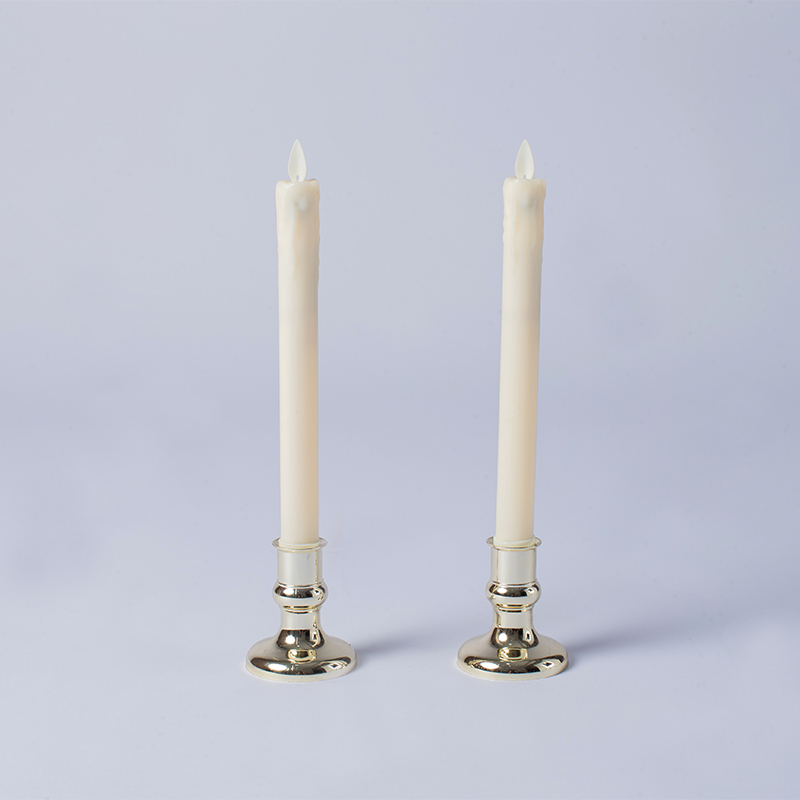
| Wedding aisle or window ledge | Taper candles, synced timer | Large quantities need to switch on together at a set time without staff present |
| Seasonal storefront window | Weather resistant votive or window candle | Runs for a full season with daily automatic timer, no staff resetting needed |
What the Fire Safety Data Actually Shows
The safety argument for flameless candles is not just marketing language, it is backed by consistent national fire data. According to the National Fire Protection Association, U.S. fire departments respond to an average of 7,610 home structure fires per year started by candles, resulting in an annual average of 81 civilian deaths, 677 civilian injuries, and 278 million dollars in direct property damage.
Earlier NFPA analysis of ignition patterns also found that falling asleep near a lit candle and placing a candle too close to combustible material, such as curtains, bedding, or table linens, are consistently among the leading contributing factors in home candle fires. Prior survey data has additionally shown that a large share of home candle fires occur because a candle was left unattended or set too close to combustible material, underscoring how much of the risk comes from ordinary daily handling rather than defective products.
A wax candle with LED lights removes the ignition risk entirely from both scenarios, which is precisely why hospitality venues, bedrooms, and fabric heavy event spaces are among the fastest growing use cases for flameless candles. December holidays and New Year's Eve also register as peak periods for candle related fires in NFPA seasonal breakdowns, which lines up with why seasonal decor buyers in particular have shifted heavily toward flameless options over the last decade.
Flicker Technology: Not All LED Candle Lights Look the Same
The realism of an LED candle depends almost entirely on how the flicker is generated. Buyers comparing candles at similar prices should look closely at this one detail, since it affects how convincing the candle looks more than wax quality does.
Tier 1: Static Glow
A single LED stays on at constant brightness with no movement. Cheapest to produce, but reads as artificial even from a short distance, since real flames never hold perfectly still.
Tier 2: Randomized Flicker
A chip varies the LED's brightness in a randomized pattern to simulate flicker. Convincing from across a room, less convincing up close since the light source itself does not physically move.
Tier 3: Moving Flame
A small suspended LED or reflective flame shape physically sways on a flexible arm or magnetic base, driven by a tiny motor or by airflow. This is the point where most people stop being able to tell the difference at a normal viewing distance.
Tier 4: 3D Wick With Wax Dip Finish
The moving flame is combined with a hand dipped wax texture at the top of the candle, so the transition between wax and light source is visually seamless. This tier is standard on premium hospitality and wedding grade candles.
Color Rendering and Light Quality
Beyond movement, the color quality of the LED itself affects realism. A cheap LED emits a narrow, slightly bluish amber that looks synthetic under close inspection, while a well chosen warm LED renders a broader, more layered amber tone closer to how a real flame's light interacts with skin tone and fabric color nearby. This is a smaller detail than flicker movement, but it is the difference buyers notice when a candle looks right in a product photo yet slightly off once it is lit in a real room.

Remote Control, Timers, and Smart Features
Beyond flicker quality, several control features determine how practical a candle is for repeated commercial use versus occasional home use.
- Infrared or radio remote control, letting one remote operate a group of candles across a room at once, which matters for venues lighting dozens of candles simultaneously.
- Daily repeat timers, typically set for four, six, or eight hours on per day, so a candle turns on and off automatically at the same time every day without staff intervention.
- Dimmable brightness, useful for matching ambient lighting in a restaurant at different times of day.
- Group syncing, where multiple candles respond to a single remote signal, common in wedding and rental fleets where dozens of units need identical settings.
- Sensor activated modes on some newer models, which switch the candle on automatically once ambient light in the room drops below a set threshold at dusk.
For bulk orders destined for hospitality or event rental use, timer and remote consistency across an entire batch is worth testing before committing to a large order, since inconsistent receivers across units are a common complaint with lower cost manufacturing runs.
Choosing Size and Color Temperature
Almost all wax candles with LED lights use warm toned LEDs rather than neutral or cool white, because the goal is to replicate flame color, which sits in a warm amber range rather than daylight white.
- Warm ivory, roughly 2200 to 2400 Kelvin, closest match to a freshly lit flame
- Warm white, roughly 2700 Kelvin, standard for most tealights and pillars
- Soft white, roughly 3000 Kelvin, slightly brighter and cleaner looking, common in retail display candles
Size selection follows the setting rather than personal taste. Tealights suit centerpieces and floating arrangements where many small points of light are wanted. Votives and short pillars work for mantels, bathrooms, and side tables. Tall pillars and multi wick designs suit entryways, altar settings, and large dining tables where a single strong focal point is needed.
Care and Maintenance
Real wax shells need slightly more care than plastic shell candles, though far less than an actual burning candle.
- Keep candles out of direct sunlight and away from heating vents, since real wax will soften, sag, or discolor under sustained heat above roughly 27 degrees Celsius.
- Wipe the wax surface with a soft, dry cloth rather than water, since moisture can dull the finish and reach the internal electronics through seams.
- Remove batteries before long term storage between seasonal uses, since a fully discharged cell left inside can occasionally leak and damage the internal driver.
- Store pillar candles upright rather than stacked, since the hollow battery cavity makes the wax shell more prone to denting under pressure than a solid burned candle.
- Keep spare batteries of the correct size on hand for large installations, since running out mid event is the most common last minute issue reported by venues.
Sourcing and Quality Control for Bulk Orders
Buyers ordering in volume for hospitality, retail, or event rental use face a different set of questions than a single household purchase, since one weak component across a large batch becomes a large operational problem rather than a minor annoyance.
Sample Testing Before a Full Order
Request a small sample batch first and run it for several full days rather than a single evening, checking three things specifically: flicker consistency across every sample unit, remote or timer range and reliability at the distance the candles will actually be placed, and battery compartment fit, since a loose fitting battery door is one of the most common defects that only becomes obvious after repeated handling.
Packaging for Transport and Storage
Rental and hospitality buyers in particular should confirm packaging is designed for repeated reuse rather than single unboxing, since candles that get packed and unpacked dozens of times per season need individual compartments or foam inserts to avoid wax shell scuffing and battery door damage over time.
Custom Branding and Private Label Options
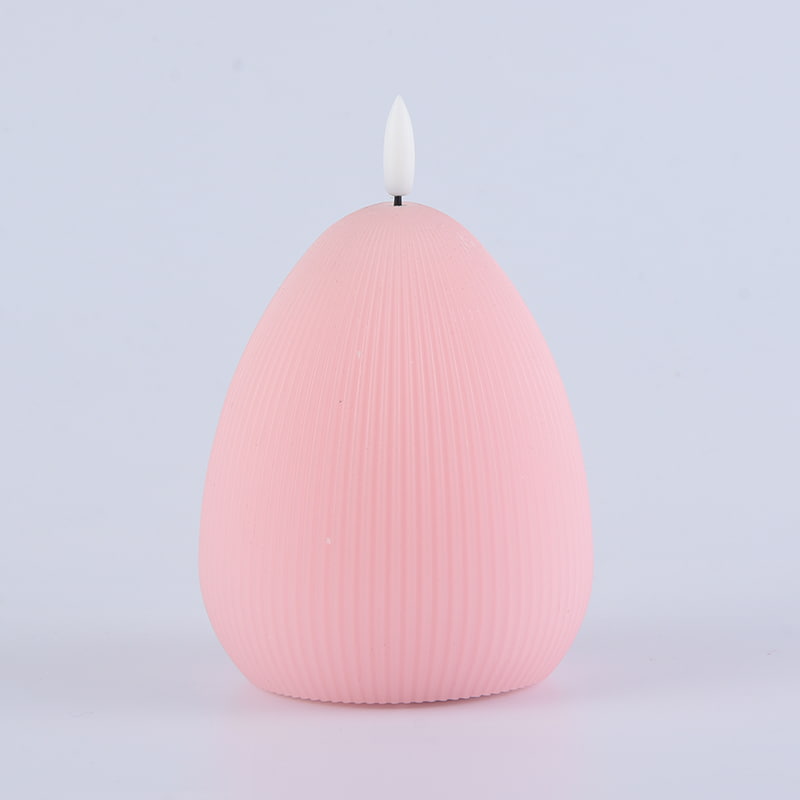
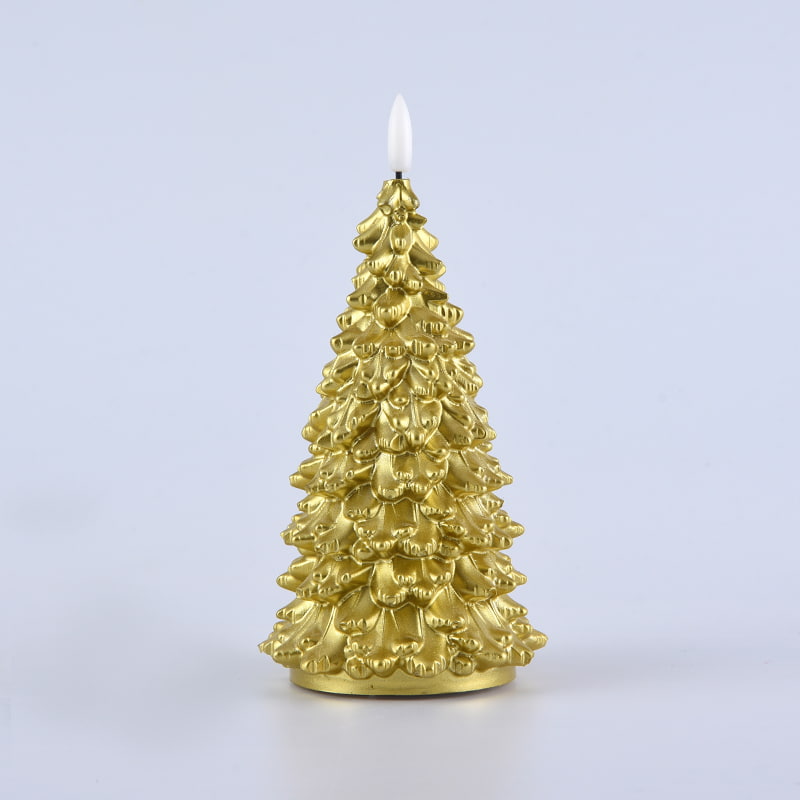
Many manufacturers offer custom wax colors, scent profiles, and printed or embossed detailing on the base for private label and hospitality branding purposes, which is worth requesting up front since it is far easier to specify at the mold stage than to add after production.
Frequently Asked Questions
Do wax candles with LED lights smell like real candles
Yes, when the shell is made from real paraffin or soy wax, a scent can be blended into the wax during pouring just like a traditional candle, though the scent throw is generally lighter since there is no heat from a flame to carry it.
How long does a single battery actually last
It depends on candle size. Tealights on a single CR2032 typically run 100 to 200 hours, while larger pillar candles on C or D cell batteries can run 500 to 1,500 hours, especially when the daily timer function is used instead of continuous operation.
Can these candles be used outdoors
Real wax shells are better suited to covered outdoor areas, since direct sun and high heat can soften the wax over time. For open patios, decks, or garden displays, a plastic or resin shell candle generally holds up better to weather and temperature swings.
Are wax LED candles safe around children and pets
Yes, this is one of the main reasons households choose them. There is no open flame, no hot wax, and no risk of burns or ignition if the candle is knocked over, which are the leading causes of candle related injuries in homes with young children or active pets.
Do LED candle lights actually flicker like a real flame
Higher tier candles use a physically moving flame element driven by a small motor or magnet, which produces a genuinely convincing flicker at normal viewing distance. Lower tier candles simply vary LED brightness electronically, which looks less realistic up close but is still effective from across a room.
Can brightness or color be adjusted
Many mid range and premium models include a dimmer function through a remote control, and some offer adjustable color temperature. Basic tealights and votives usually run at one fixed brightness and color.
How many real candles does one LED candle replace over its lifetime
A typical real candle burns for roughly 40 to 60 hours before it is consumed, while a wax LED candle commonly delivers 500 to 1,500 hours across its battery life and tens of thousands of hours of underlying LED life. That works out to roughly ten to twenty single use candles replaced by one reusable LED candle over time.
Do LED candles leave soot or residue like real candles
No. Since the wax shell never melts and there is no combustion, there is no soot on nearby walls or ceilings and no wax drip cleanup, which is one of the main reasons hospitality venues running candles nightly prefer them for tabletop use.
What is the difference between a fixed flicker and a moving flame candle
A fixed flicker candle uses one stationary LED that varies in brightness to imitate movement. A moving flame candle uses a small suspended flame shaped piece that physically sways, driven by a tiny motor or magnet, producing a far more convincing effect up close, at a correspondingly higher price point.
How should bulk orders for hospitality or event use be tested before committing
Request a small sample batch first and test flicker consistency, remote range, and timer accuracy across the whole sample rather than a single unit, since manufacturing variance in the receiver and driver components is the most common quality issue reported in larger production runs.
Can the wax shell be custom colored or scented for a private label order
Yes, wax color, scent, and base detailing such as embossing can typically be customized at the mold stage for bulk or private label orders, so it is worth specifying these requirements before production begins rather than after a standard run is already made.