
 English
 Español
 Content
- 1 Why Ribbed Texture Changes the Way Candlelight Looks
- 2 Where the Ribbed Glass Trend Came From
- 3 Glass Types Used in Ribbed Candle Holder Production
- 4 How Ribbed Glass Candle Holders Are Actually Made
- 5 Pairing Ribbed Glass Holders With LED Candles
- 6 Choosing Rib Pattern and Size for Different Rooms
- 7 Color and Finish Options Currently in Demand
- 8 How Ribbed Glass Compares to Other Candle Holder Styles
- 9 Sustainability Considerations in Ribbed Glass Production
- 10 Sourcing in Volume: Notes for Wholesale and Bulk Buyers
- 11 Cleaning and Long-Term Care
- 12 A Quick Buying Checklist
- 13 Common Mistakes to Avoid
- 14 Frequently Asked Questions
- 14.1 Can ribbed glass candle holders be used with real flame candles?
- 14.2 Do LED candles fit standard ribbed glass holders without modification?
- 14.3 Why does my ribbed glass holder look cloudy after a few months?
- 14.4 Is ribbed glass more fragile than smooth glass?
- 14.5 What is the difference between ribbed and fluted glass candle holders?
- 14.6 Can ribbed glass holders go in the dishwasher?
- 14.7 Do colored ribbed holders fade over time?
- 14.8 How many ribs does a typical holder have?
- 14.9 Are ribbed glass candle holders safe for outdoor use?
Ribbed glass candle holders create a distinctive fluted light pattern because the vertical grooves refract and scatter flame light unevenly across the glass surface, producing a soft strobe-like glow instead of a flat, even shine. This single design detail is why ribbed glass has become one of the fastest-growing candle holder styles in home decor and hospitality lighting over the past two years, appearing everywhere from boutique hotel lobbies to wedding centerpiece catalogs to everyday tabletop collections sold in home goods stores.
Unlike smooth glass holders, which simply act as a transparent shield around a flame, ribbed glass bends light through dozens of tiny vertical channels running from base to rim. Each channel works like a miniature lens, so the same tealight or LED candle looks completely different depending on the depth, width, spacing, and curvature of the ribs pressed or blown into the glass. That is the core reason interior designers, hospitality lighting buyers, and home shoppers keep circling back to this style: it turns a plain flame into a textured, almost architectural visual feature without needing any additional hardware, wiring, or shade attachment.
This guide walks through the optical science behind the ribbing, the glass formulations used in production, how ribbed holders pair with modern LED candles, sizing and placement by room, finish options currently trending, sustainability considerations, wholesale and packaging notes for buyers sourcing in volume, long-term care, and a detailed FAQ section addressing the most common practical questions shoppers ask before purchasing.
Why Ribbed Texture Changes the Way Candlelight Looks
The rib pattern on a glass candle holder is not just decorative etching applied after the glass is formed. It is a functional optical structure built into the wall of the piece itself. When light passes through a curved rib, it refracts at a slightly different angle than light passing through a flat section of glass, which is why ribbed holders appear to shimmer, pulse, or throw moving shadow lines even when the flame or LED chip inside is burning perfectly steady.
The physics is straightforward once you look closely at a single rib in cross section. Each groove behaves like a narrow convex or concave lens depending on whether the rib bulges outward or is pressed inward. Light rays hitting the center of a rib travel a slightly shorter path through the glass than rays hitting the valley between two ribs, and this difference in path length is what produces the visible banding effect on a wall, tablecloth, or ceiling when the holder is lit in a dim room.
Three Optical Effects Worth Knowing
- Vertical light striping, where bright and dim bands alternate around the circumference of the holder as the eye scans from left to right
- Softened glare, since the ribs diffuse direct light rather than transmitting it in one sharp, concentrated beam the way a smooth glass surface does
- Amplified movement, meaning small flame flickers or the subtle animation of an LED flame chip look larger and more dramatic on the wall or tabletop than they would through plain glass
A deeper, narrower rib produces sharper, more defined light striping with higher contrast between the bright and dark bands, while a wider, shallower rib produces a gentler, more rounded glow with softer transitions. Buyers choosing holders for restaurants and lounges tend to prefer the deeper rib for its dramatic, almost theatrical effect on a dinner table, while those decorating bedrooms, bathrooms, or spa spaces often choose the shallower rib for a calmer, less visually busy ambiance that will not compete with other lighting in the room.
Where the Ribbed Glass Trend Came From
Ribbed and fluted glassware is not a new invention. Pressed glass tableware with vertical ribbing dates back well over a century, originally used for drinking glasses and vases where the texture served a practical purpose of improving grip on wet glass. The candle holder application is a more recent adaptation, borrowing the same tooling techniques used for ribbed vases and drinkware and applying them to shorter, wider forms suited to holding a flame or LED candle safely at the center.
The renewed popularity of the style over the last several years tracks closely with a broader interior design shift toward tactile, organic-feeling materials after a long period of minimalist smooth surfaces. Ribbed glass fits this shift because it photographs well under warm indoor lighting, pairs naturally with curved furniture silhouettes, and reads as more handmade even when it is produced on a fully automated pressing line. Search interest and retail listings for ribbed and fluted glass candle holders have both climbed steadily since interior design publications began featuring the style alongside curved furniture and warm neutral palettes.
Glass Types Used in Ribbed Candle Holder Production
Most ribbed glass candle holders on the market are made from one of three glass formulations, and the choice affects weight, heat resistance, clarity, and ultimately the retail price point the finished piece can command.
| Glass Type | Heat Resistance | Typical Wall Thickness | Best Use |
|---|---|---|---|
| Soda-lime glass | Moderate | 3 to 5 mm | Decorative tabletop use with tealights or LED candles |
| Borosilicate glass | High | 2 to 4 mm | Real flame pillar candles and hurricane lanterns |
| Recycled pressed glass | Moderate | 4 to 7 mm | Sustainable home decor lines and gift sets |
Soda-lime glass accounts for the largest share of ribbed holders sold for LED candle use, since it does not need to withstand direct flame contact and can be produced with thinner, more affordable walls that still hold the rib detail cleanly. Borosilicate is reserved mainly for holders intended for taper or pillar candles with an open flame, where sudden temperature swings between a cold holder and a freshly lit wick could otherwise cause a thinner soda-lime piece to crack along the base of a rib, which is typically the thinnest point in the entire form.
Recycled pressed glass has grown into its own category over recent seasons, marketed specifically around sustainability messaging. These pieces often carry small trapped air bubbles or faint color variation from batch to batch, which manufacturers and retailers now present as a feature rather than a flaw, since it signals genuine recycled content rather than a uniform, mass-produced look.
How Ribbed Glass Candle Holders Are Actually Made
There are three common production methods, and each leaves a slightly different signature on the finished ribbing.
Mouth-Blown Into a Ribbed Mold
A gather of molten glass is blown into a two or three part mold that has the rib pattern carved into its interior surface. The glass takes the shape of the mold under air pressure, and because the process involves manual timing and hand rotation, mouth-blown ribbed pieces typically show slight unevenness in rib depth from one side of the holder to the other. This is generally considered a mark of quality craftsmanship rather than a defect.
Mechanical Pressing
Molten glass is dropped into a mold and a plunger presses it into shape under controlled pressure, forming the ribs in a single mechanical stroke. This method produces highly consistent rib depth and spacing across thousands of units, which is why it dominates mass-market and wholesale supply chains where uniformity across a large order matters more than individual piece character.
Cold-Worked Cutting on Smooth Blanks
A smaller share of premium ribbed candle holders start as a smooth blown or cast blank, which is then cut or ground with rotating wheels to carve the rib pattern into the cooled glass afterward. This method allows for sharper, more precisely angled ribs than either blowing or pressing can achieve, but it is significantly slower and more labor intensive, which is reflected in a higher retail price for finished pieces made this way.
Pairing Ribbed Glass Holders With LED Candles
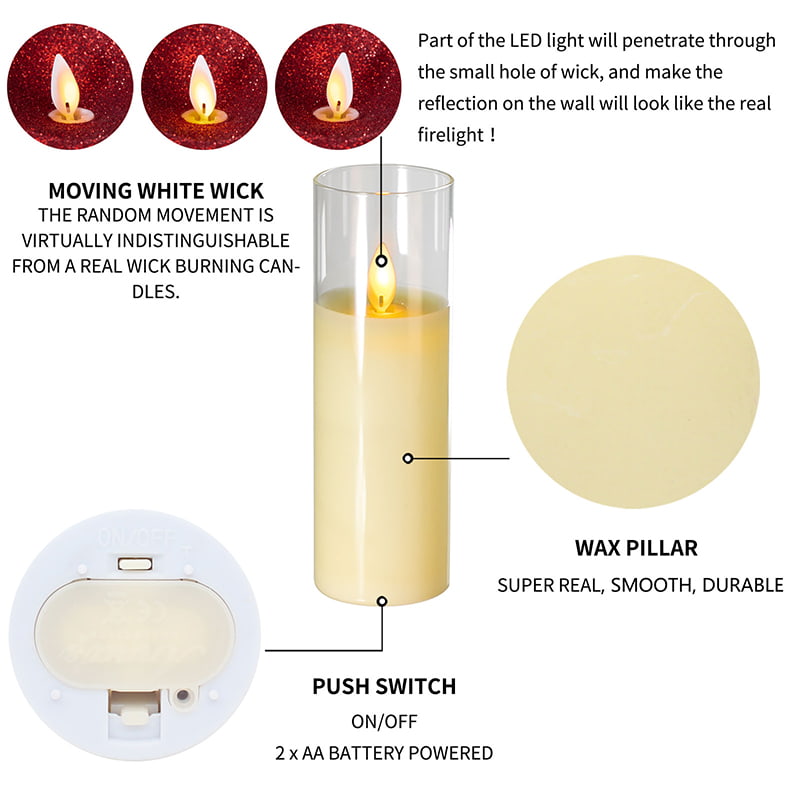
LED candles have become the dominant light source for ribbed glass holders in both residential and commercial settings, mainly because they remove the two biggest limitations of open flame use: heat buildup inside a narrow ribbed cavity, and soot residue that settles into the interior grooves and is difficult to clean out once it has baked onto the glass over repeated use.
What to Look for When Matching an LED Candle to a Ribbed Holder
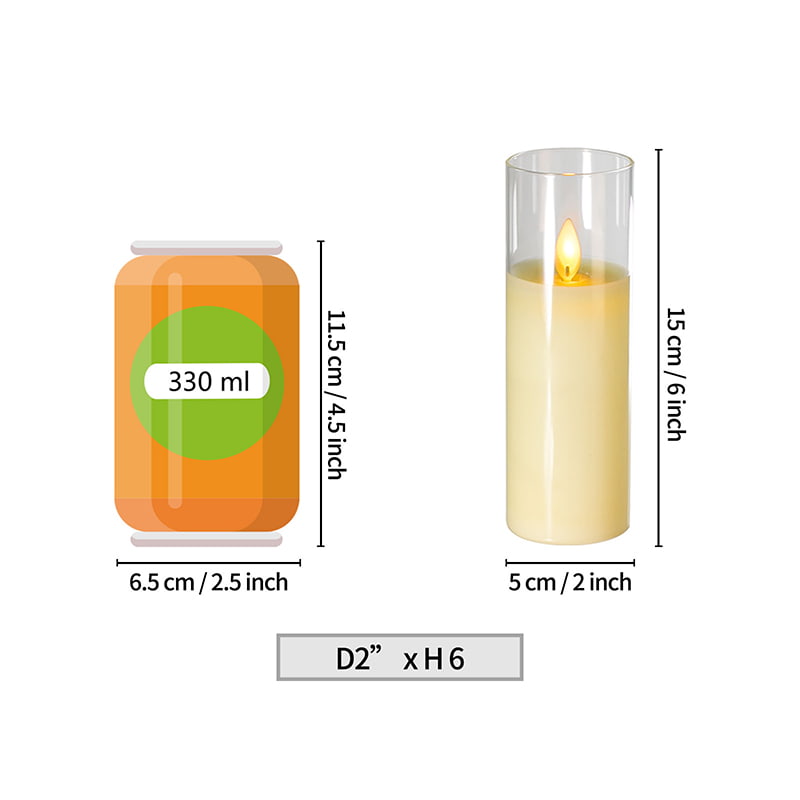
- Diameter clearance of at least 5 mm between the LED candle body and the inner wall of the holder, so the flicker effect is not blocked by the candle sitting flush against the ribbing
- A warm color temperature between 2200K and 2700K, which reads closest to real candlelight and interacts best with the amber or clear tones common in ribbed glass
- A moving-flame LED chip rather than a static glow bulb, since the rib pattern is specifically designed to exaggerate motion, and a static light source loses most of the visual benefit the holder provides
- A battery or USB-rechargeable base height that sits below the rim of the holder so no hardware, wiring, or seam is visible from the side when viewed at table height
- A timer function on the LED candle itself, which matters more for holders used nightly in hospitality settings where staff cannot manually switch every unit on and off
Retail buyers sourcing ribbed glass candle holders for gift sets frequently bundle them with a matching LED candle from the outset, since customers report far higher repeat purchase rates when the holder and light source are sold as a tested pair rather than left for the buyer to source separately and risk a poor size match at home.
Battery Life and Runtime Considerations
Because ribbed glass diffuses and somewhat dims direct light compared to smooth glass, LED candles paired with ribbed holders often benefit from a slightly higher lumen output than the same candle would need in an open display, so the flicker remains visible through the thicker, textured glass rather than being absorbed entirely by the ribbing.
Choosing Rib Pattern and Size for Different Rooms
Not every ribbed glass candle holder suits every space. The pattern density, glass tint, and holder height all change how the light reads in a given room, and matching these variables to the intended setting makes a noticeable difference in the finished look.
Living Rooms and Dining Tables
Taller holders between 15 cm and 22 cm with wide-spaced ribs create long vertical light columns that read well from across a room and pair naturally with a centerpiece arrangement of three or five holders at staggered heights.
Bedrooms and Bathrooms
Shorter, squat holders under 10 cm with tightly packed fine ribs diffuse light more gently, which suits close-range viewing on a nightstand or bathtub ledge where a harsher light pattern would feel too intense at close proximity.
Restaurants, Bars, and Hospitality Settings
Deep amber or smoked ribbed glass in the 10 to 14 cm range is the most requested option among hospitality buyers, since the tinted glass hides wax drips or LED candle bases better under low ambient lighting, reducing the need for staff to polish holders between table turns during a busy service period.
Home Offices and Reading Nooks
A single small ribbed holder with a fine, tightly spaced rib pattern placed beside a reading chair adds warmth without introducing the sharper strobing pattern that a wide-rib holder would cast across a page or laptop screen, which some users find distracting during focused work or reading.
Weddings and Event Tables
Event planners frequently line long banquet tables with a repeating row of clear ribbed holders in a single size, using the consistency of the rib pattern rather than variety to create a cohesive visual line down the table, often combined with a matching LED taper or votive inside each holder for safety around table linens.
Color and Finish Options Currently in Demand
Ribbed glass candle holders are produced in a range of finishes, and each finish changes how the ribbing interacts with light in a slightly different way.
- Clear ribbed glass, which produces the sharpest light striping and works well with colored LED candles that show through the glass without a tint filter
- Amber and smoked ribbed glass, which mutes the light striping into a warmer, more subdued overall glow suited to evening settings
- Frosted ribbed glass, where the surface is acid-etched so the ribbing softens into a diffuse haze rather than distinct bright and dark bands
- Colored cast glass in sage green, dusty pink, or ocean blue, which has grown quickly in home decor catalogs over the last two seasons as a way to coordinate with broader seasonal color palettes
- Two-tone ribbed glass, where the base is a solid color and the upper rim fades to clear, giving the light striping a gradient quality as it moves up the holder
Frosted finishes are typically the easiest to keep looking new, since fingerprints and light dust are far less visible on an etched surface compared with polished clear glass, which shows every smudge under direct light.
How Ribbed Glass Compares to Other Candle Holder Styles
Shoppers comparing options side by side often weigh ribbed glass against three other common holder styles before deciding.
| Style | Light Effect | Cleaning Difficulty |
|---|---|---|
| Ribbed glass | Vertical striping, diffused glow | Moderate, grooves trap dust |
| Smooth clear glass | Direct, even light | Easy, flat surface wipes clean |
| Mosaic or mercury glass | Speckled reflective glow | Difficult, coating can scratch |
| Metal lantern with glass panel | Framed, directional light | Moderate, metal frame needs separate care |
The tradeoff buyers most often mention is that ribbed glass requires a bit more attention during cleaning than smooth glass, but delivers a noticeably more dynamic light effect in exchange, which is why it tends to win out for feature pieces even among buyers who otherwise prefer low-maintenance decor.
Sustainability Considerations in Ribbed Glass Production
Glass as a base material is fully recyclable without any loss of quality, which sets it apart from many plastic or resin candle holder alternatives on the market. A growing share of ribbed glass holders are now produced using a percentage of recycled cullet, meaning crushed recycled glass melted down and reformed into new pieces, blended with virgin raw material to maintain clarity and structural strength.
Buyers looking specifically for a lower environmental footprint should ask suppliers directly what percentage of recycled content is used in a given production run, since this figure varies considerably between manufacturers and is not always disclosed on a standard product listing. Packaging is another area where sustainability claims are frequently made, with a shift toward molded pulp or corrugated cardboard inner packaging replacing single-use foam for individual piece protection during shipping.
Sourcing in Volume: Notes for Wholesale and Bulk Buyers
Buyers purchasing ribbed glass candle holders for retail resale, hospitality fit-outs, or event rental inventory face a few considerations that do not apply to a single home purchase.
Minimum Order Quantities and Unit Variation
Mouth-blown ribbed pieces typically carry higher minimum order quantities and longer lead times than mechanically pressed pieces, since each unit requires individual handling during forming and annealing. Buyers should expect and budget for a small percentage of natural variation in rib depth and glass thickness across a bulk order of mouth-blown pieces, which is normal rather than a quality control failure.
Palletizing and Breakage Rates
Ribbed exteriors are more prone to chipping at the raised rib edges during transit than smooth glass of the same thickness, so buyers ordering in bulk should confirm that individual piece dividers or foam sleeves are used inside the shipping carton rather than loose bulk packing, which significantly reduces breakage claims on arrival.
Custom Rib Tooling for Private Label Orders
Buyers wanting a proprietary rib pattern for a private label product line should factor in the cost and lead time of new mold tooling, which is a one-time upfront investment that is then amortized across the production run, making custom tooling most cost effective for larger recurring orders rather than a single small batch.
Cleaning and Long-Term Care
The vertical grooves in ribbed glass trap dust and wax more easily than a smooth surface, so a slightly different cleaning approach helps the holder keep its clarity over years of regular use rather than gradually dulling.
| Residue Type | Recommended Method |
|---|---|
| Dust in the ribs | Soft-bristle brush followed by a microfiber cloth |
| Dried wax buildup | Warm water soak for ten minutes, then gently scrape with a wooden tool |
| Water spots on clear glass | Diluted white vinegar rinse, then air dry upside down |
| Fingerprints on frosted glass | Dry microfiber cloth only, avoiding liquid cleaners that can streak the etched surface |
For holders used exclusively with LED candles, maintenance is far simpler since there is no wax or soot to remove, and a dry microfiber cloth run along the grooves every one to two weeks is generally enough to keep the glass clear. Holders used with real flame candles benefit from a full soak and scrub roughly once a month with regular use, since wax residue that sits for extended periods becomes progressively harder to remove from the grooves.
A Quick Buying Checklist
Before placing a bulk order or a personal purchase, running through a short checklist helps avoid mismatched expectations between a product photo and the finished piece that arrives.
- Confirm the rib count and spacing, since photos can make fine ribs look coarser than they are in person, or vice versa depending on lighting in the product image
- Check the base diameter and interior clearance against the specific LED candle or tealight you plan to use before ordering multiples of the same holder
- Ask whether the glass is mouth-blown or machine-pressed, as mouth-blown pieces carry slight variation between units that some buyers want and others prefer to avoid
- Verify packaging includes individual foam, paper, or pulp wrapping for each piece, since ribbed edges are more prone to chipping in transit than smooth glass edges
- Request a sample unit before committing to a large order if sourcing for resale, since color and tint can shift noticeably between production batches of cast colored glass
Common Mistakes to Avoid
A handful of avoidable missteps come up repeatedly among first-time buyers of ribbed glass candle holders.
Choosing Too Deep a Rib for a Small Room
A dramatic, deep-rib holder that looks striking in a large open dining room can feel overwhelming and visually noisy in a small apartment or narrow hallway nook, where a finer rib pattern reads more comfortably.
Overlooking Interior Diameter Before Ordering LED Candles Separately
Buyers who purchase the holder and LED candle from two different sellers without checking measurements against each other are the most common source of returns, since a candle that is even a few millimeters too wide will not sit properly inside the ribbed cavity.
Using Harsh Abrasive Cleaners on Frosted Finishes
Scouring pads or abrasive powders can dull the etched texture on a frosted ribbed holder permanently, leaving uneven shiny patches where the surface finish has been worn away, so a soft cloth and gentle products are always the safer choice.
Frequently Asked Questions
Can ribbed glass candle holders be used with real flame candles?
Yes, as long as the glass is rated for direct heat contact, which is typically the case with borosilicate versions. Thinner soda-lime ribbed glass is better reserved for LED candles or tealights in a separate metal cup insert to avoid direct heat exposure on the glass wall.
Do LED candles fit standard ribbed glass holders without modification?
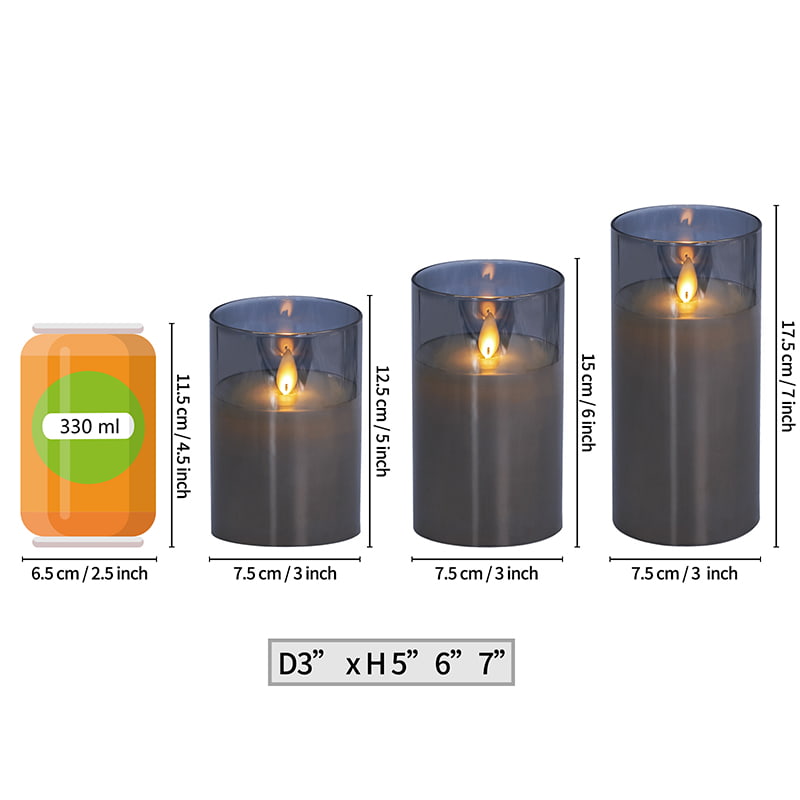
Most flameless LED candles sold in standard pillar sizes, such as 7.5 cm or 10 cm diameters, fit directly into matching ribbed holders without any adapter. Checking the inner diameter against the candle base before purchase avoids a loose or overly tight fit once the pieces arrive.
Why does my ribbed glass holder look cloudy after a few months?
Cloudiness usually comes from mineral deposits left behind after cleaning with hard tap water, not from a flaw in the glass itself. Switching to filtered water or a vinegar rinse for the final wipe typically restores clarity within one or two cleaning cycles.
Is ribbed glass more fragile than smooth glass?
The raised ribs create slightly thinner points along the surface, so ribbed glass can be marginally more prone to chipping at the rib edges during handling, though overall structural strength is similar to smooth glass of the same thickness once the piece is in normal use rather than transit.
What is the difference between ribbed and fluted glass candle holders?
The terms are often used interchangeably in retail listings. Where a distinction is made, fluted usually refers to a more rounded, wave-like groove, while ribbed refers to a sharper, more angular vertical line, though the visual overlap between the two is substantial and many buyers use the words to mean the same thing.
Can ribbed glass holders go in the dishwasher?
Hand washing is generally recommended over dishwasher cycles, since the high heat and water pressure inside a dishwasher can accelerate mineral buildup inside the deep grooves of the ribbing compared to a controlled hand wash and rinse.
Do colored ribbed holders fade over time?
Cast colored glass is generally stable and resistant to fading from normal indoor light exposure, though prolonged direct sunlight through an uncovered window over several years can gradually soften the intensity of lighter pastel tones more than deeper amber or smoked colors.
How many ribs does a typical holder have?
Most residential ribbed glass candle holders fall somewhere between twelve and twenty four individual ribs around the circumference, with narrower holders naturally carrying fewer ribs and wider pieces accommodating more without the pattern looking cramped.
Are ribbed glass candle holders safe for outdoor use?
Clear or tinted glass holders can be used outdoors on a covered patio, but should be brought inside during freezing temperatures, since repeated freeze and thaw cycles combined with any trapped moisture in the ribbing can stress the glass over time.