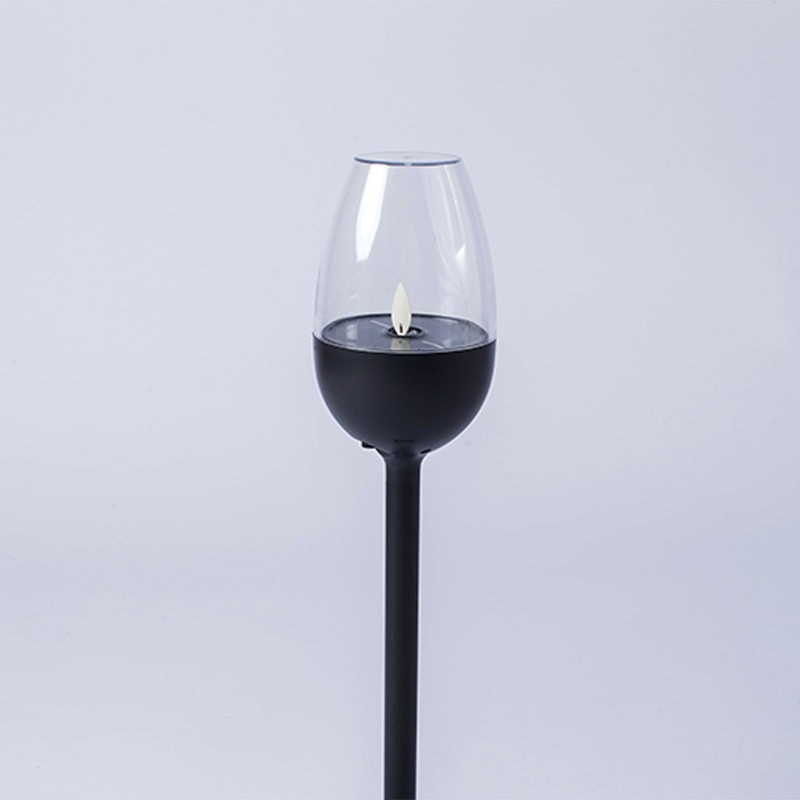
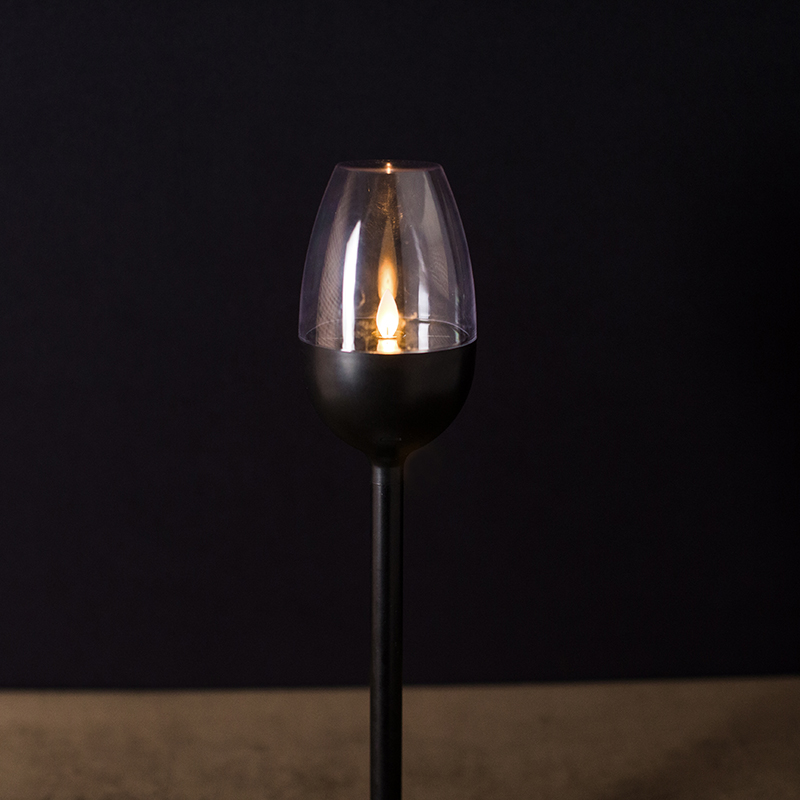
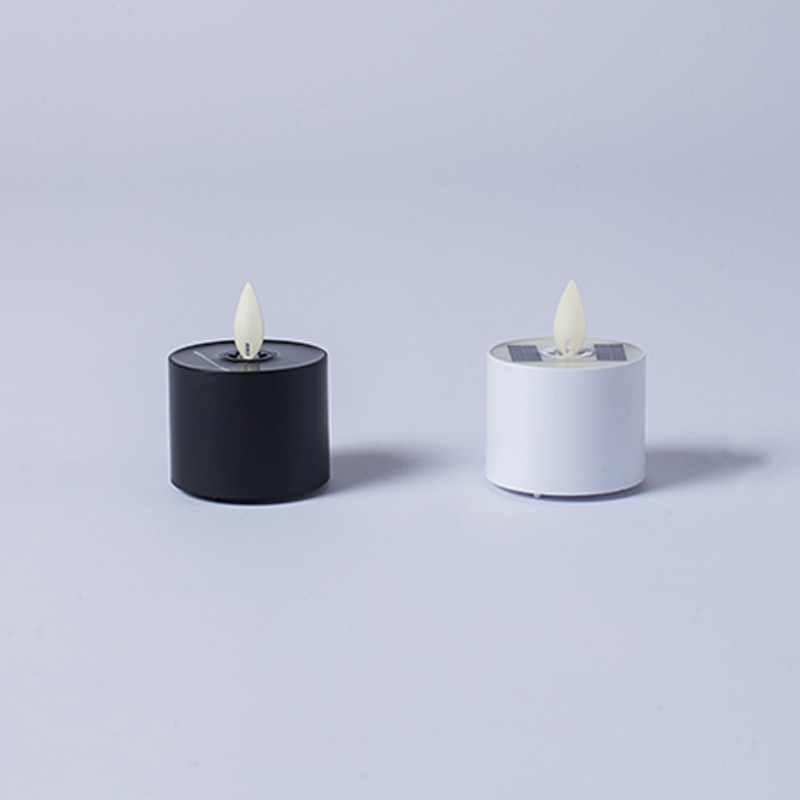
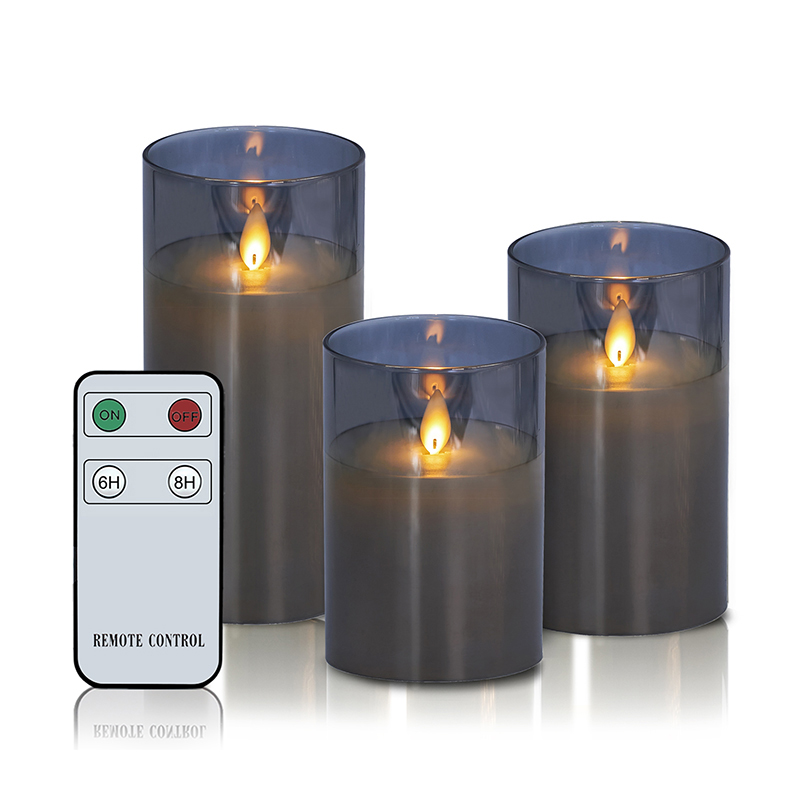
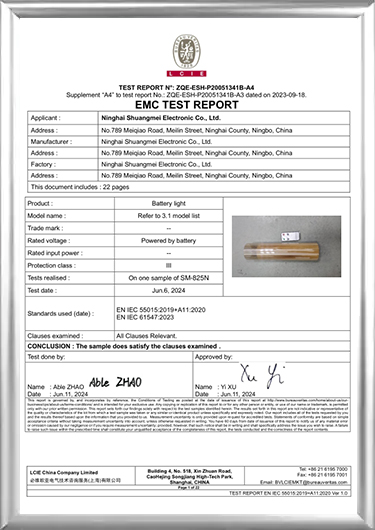
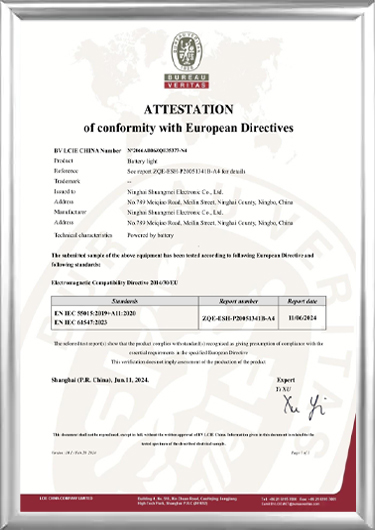
The intersection of innovative solar technology and sophisticated decorative lighting is exemplified by the Wine Glass Solar-Powered Flickering Flameless Candle. This product category represents a nuanced approach to ambient illumination, merging environmental sustainability with aesthetic appeal. Ninghai Shuangmei Electronics Co., Ltd., operating within the highly competitive electronic components and finished goods sector, positions itself as a key contributor to the integrity and reliability of such specialized items. Their corporate philosophy, rooted in a comprehensive quality management framework, ensures that the intrinsic value proposition of products like the Wine Glass Solar-Powered Flameless Candle is consistently met and maintained from conception to consumer distribution.
Core Knowledge Elements of the Product Category
The Wine Glass Solar-Powered Flickering Flameless Candle is not merely a novelty but a convergence of several distinct technologies and design considerations, making it a subject of interest in both the lighting and consumer electronics markets.
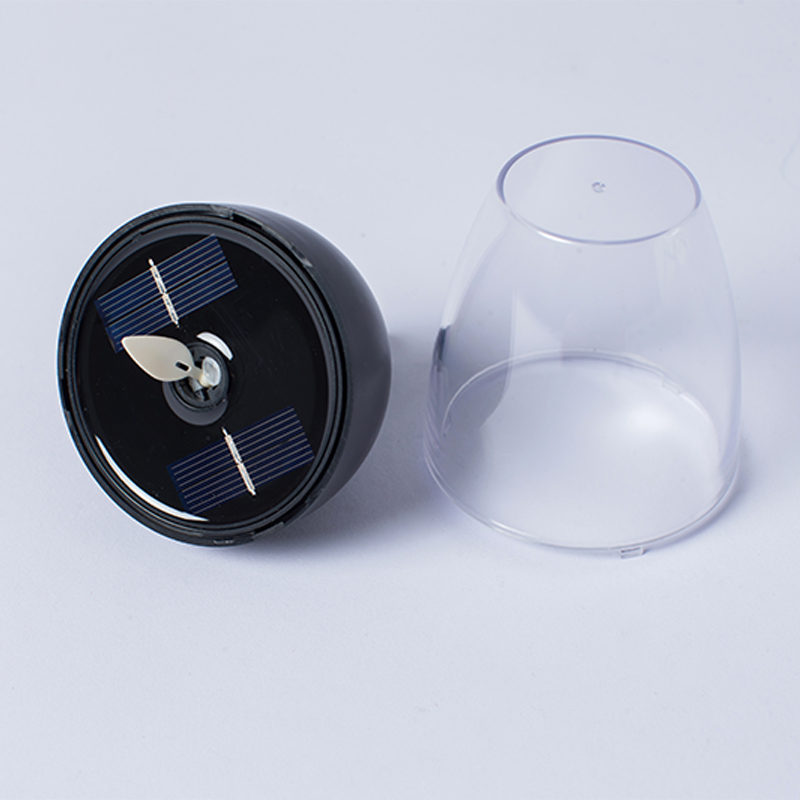
Photovoltaic Integration: Central to the product's function is the incorporation of a low-profile solar panel, engineered for efficient light-to-electrical energy conversion. This system is optimally designed to capture ambient daylight, even under less than ideal exposure conditions, thereby facilitating autonomous operation without the need for traditional external power sources. The selection and validation of these photovoltaic cells fall under the stringent control protocols of manufacturers like Ninghai Shuangmei Electronics Co., Ltd.
Energy Storage Medium: The operational endurance of the candle is directly dependent on the integrated rechargeable cell. The chemical composition and structural integrity of this storage unit are critical to its performance lifecycle, influencing both the duration of nighttime illumination and the total product lifespan. Emphasis is placed on managing the charge and discharge cycles to maximize reliability, a process rigorously overseen by robust quality assurance methodologies.
Simulated Flame Mechanism: The defining feature is the flickering flameless light source. This component utilizes advanced LED technology, often incorporating micro-controllers and proprietary diffusion optics to emulate the natural, randomized movement and warmth of a conventional candle flame. The quality of the flicker pattern—its realism and consistency—is a key differentiator in the market, requiring precise electronic engineering and component calibration.
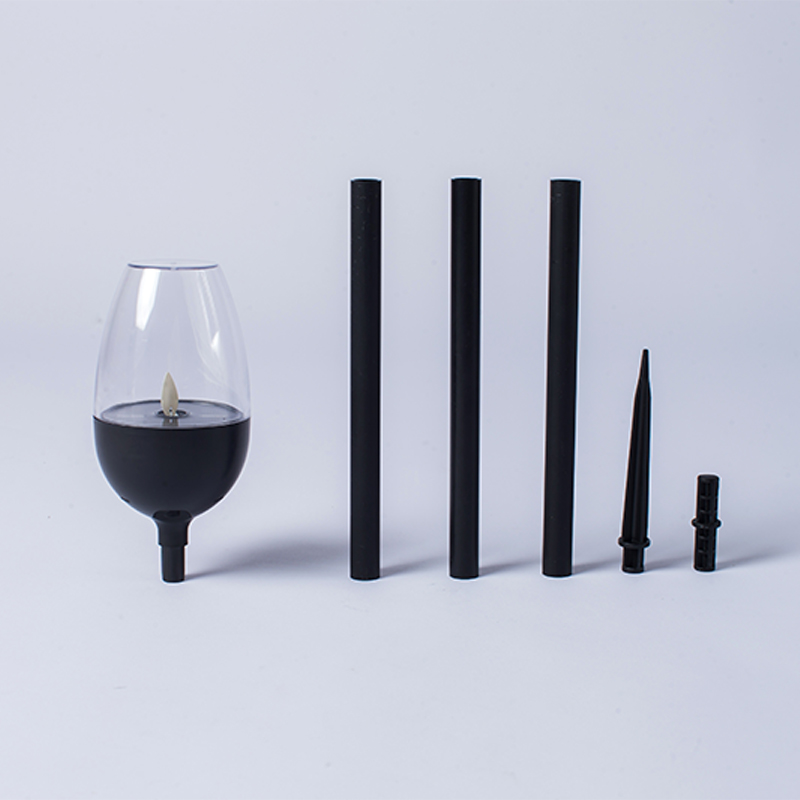
Enclosure and Form Factor: The "wine glass" designation refers to the distinct shape and material choice of the protective casing, which frequently incorporates materials designed for durability and optical clarity. The housing must be resilient to environmental factors, given its typical outdoor application, and must effectively protect the internal electronics while maximizing light output and solar exposure. The structural integrity and material specification are primary concerns within the manufacturing process.
Autonomous Operation Circuitry: A crucial, yet unseen, element is the intelligent sensor and control circuit. This system is responsible for automatically activating the light source upon detecting diminished ambient light (dusk) and initiating the charging sequence during daylight hours. The reliability of this switching mechanism is paramount to the user experience and is a focal point of electronic testing and quality verification.
Quality Assurance Intersections with Ninghai Shuangmei Electronics Co., Ltd.
The commitment of Ninghai Shuangmei Electronics Co., Ltd. to a comprehensive quality management system directly influences the excellence of products within this solar-powered category.
Raw Material Vetting: The initial selection and qualification of components, such as the solar module, LED emitters, battery cells, and injection-molded plastics, are subject to stringent criteria. The process extends beyond basic functional checks to include material longevity, environmental resistance testing, and adherence to performance specifications prior to integration into the assembly line.
In-Process Monitoring: During the assembly phase, critical process control points are established. This includes the precision of soldering electronic components, the sealing integrity of the weather-resistant enclosure, and the accurate calibration of the light sensor. Each stage is validated to prevent cumulative defects, ensuring that the final product operates as designed from the outset.
Final Product Inspection: Before dispatch, the completed units undergo holistic performance validation. This typically involves environmental chamber testing to simulate real-world conditions (temperature, humidity), extended operational cycle testing to confirm battery and sensor longevity, and comprehensive checks of the aesthetic and structural finish. This final gate ensures the product meets all predefined quality benchmarks.
Traceability and Documentation: A robust system for tracking component origin and assembly parameters provides a mechanism for continuous improvement and swift identification of the root cause should any deviations in performance be observed in the field. This systematic approach underpins the company's ability to maintain high manufacturing consistency.
| Aspect Category |
Key Components & Systems |
Performance Focus Area |
| Energy Acquisition |
Photovoltaic Cell, Connecting Wiring Harness |
Conversion Efficiency, Low-Light Charging Capability, Weather Resistance |
| Light Simulation |
LED Emitter, Optical Diffuser, Micro-Controller |
Flicker Realism, Luminous Flux Consistency, Color Temperature Stability |
| Power Management |
Rechargeable Battery (e.g., NiMH, Li-ion), Charging Regulator Circuit |
Cycle Life, Run Time Duration per Charge, Thermal Management |
| Structural Integrity |
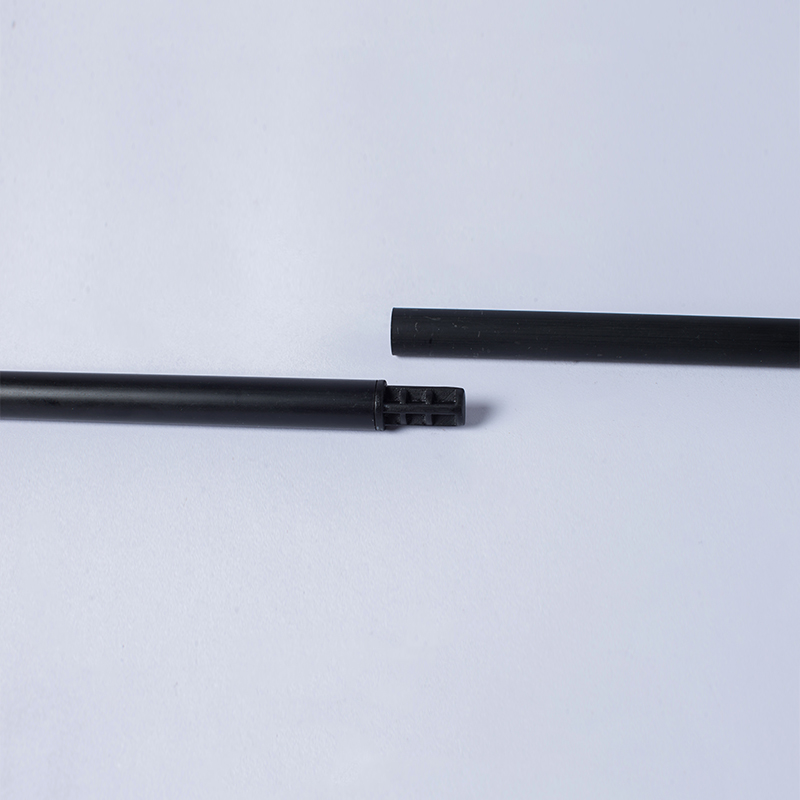
Wine Glass Housing Material (e.g., Polycarbonate, Acrylic), Base/Stake Components |
UV Resistance, Impact Durability, Ingress Protection (IP Rating Considerations) |
| Control System |
Ambient Light Sensor (Photocell), Activation/Deactivation Circuitry |
Switching Threshold Accuracy, Operational Reliability, Power Consumption |
Frequently Asked Questions (FAQ)
Q1: What factors contribute to the longevity of the light output in this product category?
The sustained light output performance is fundamentally governed by two core factors: the efficiency of the solar charging system under typical installation conditions, and the depth of discharge management of the internal rechargeable battery. High-quality cells, like those assured through stringent quality checks, are better equipped to handle repeated charging cycles, thereby ensuring consistent nightly operation over an extended period.
Q2: How does the "flameless flickering" effect achieve its realistic visual quality?
The realism is achieved through a combination of sophisticated LED drivers and optical engineering. Instead of a simple on/off, the driver circuit introduces a micro-fluctuation in the current supplied to the LED. This variance, coupled with specially designed diffusers or lenses that scatter the light, mimics the seemingly random, organic movement characteristic of a combustion flame, all while being managed by reliable electronic systems.
Q3: What is the significance of the "wine glass" form factor in terms of function?
The distinct form factor is primarily a design choice for aesthetic appeal and light dispersion, offering an elevated presentation compared to standard ground lights. Functionally, the transparent or translucent structure acts as a protective enclosure while also serving as a light reflector and diffuser, helping to distribute the flickering light over a wider ambient area. The structural integrity for outdoor use is a critical quality parameter.
Q4: How are products of this nature typically tested for ingress protection against environmental elements?
Testing for ingress protection (often referenced by an IP rating) involves subjecting the final sealed unit to controlled simulations of dust and water exposure. These systematic tests, performed in compliance with relevant international standards, verify the efficacy of the sealing points and enclosure construction to prevent moisture or particulate matter from compromising the sensitive internal electronic and battery components.
Q5: What role does the electronic component selection play in the overall environmental impact?
The choice of electronic components is crucial for both operational performance and environmental stewardship. Selection focuses on utilizing RoHS-compliant materials and high-efficiency components that minimize energy wastage. Furthermore, the use of quality, long-life rechargeable batteries reduces the frequency of replacement, aligning with a more sustainable product lifecycle.


 English
 Español