
 English
 Español
 Content
- 1 What Powder Candle Wax Actually Is
- 2 Why Flameless Wax Candles Are Gaining Market Share
- 3 The Science Behind Powder Wax Melting Behavior
- 4 Where Powder Candle Wax Is Used Today
- 5 How to Evaluate Powder Candle Wax Quality
- 6 Proper Storage and Handling Practices
- 7 Environmental Considerations of Powder Wax Production
- 8 Common Performance Issues and Practical Fixes
- 9 How Powder Candle Wax Is Manufactured
- 10 Equipment Designed Specifically for Powder Wax
- 11 Powder Wax Versus Other Flameless Fragrance Formats
- 12 Cost Considerations for Powder Wax Versus Traditional Candles
- 13 Current Market Trends Shaping This Category
- 14 Frequently Asked Questions
- 14.1 Is powder candle wax the same as wax melt cubes?
- 14.2 Can powder candle wax be used in any electric warmer?
- 14.3 Does flameless wax candle technology eliminate all fire risk?
- 14.4 Why does my powder wax clump together in storage?
- 14.5 How long does scent typically last with powder wax versus block wax?
- 14.6 Is paraffin powder wax less safe than soy powder wax?
- 14.7 Can powder candle wax be mixed with essential oils instead of synthetic fragrance oil?
- 14.8 How much powder wax should be used per heating cycle?
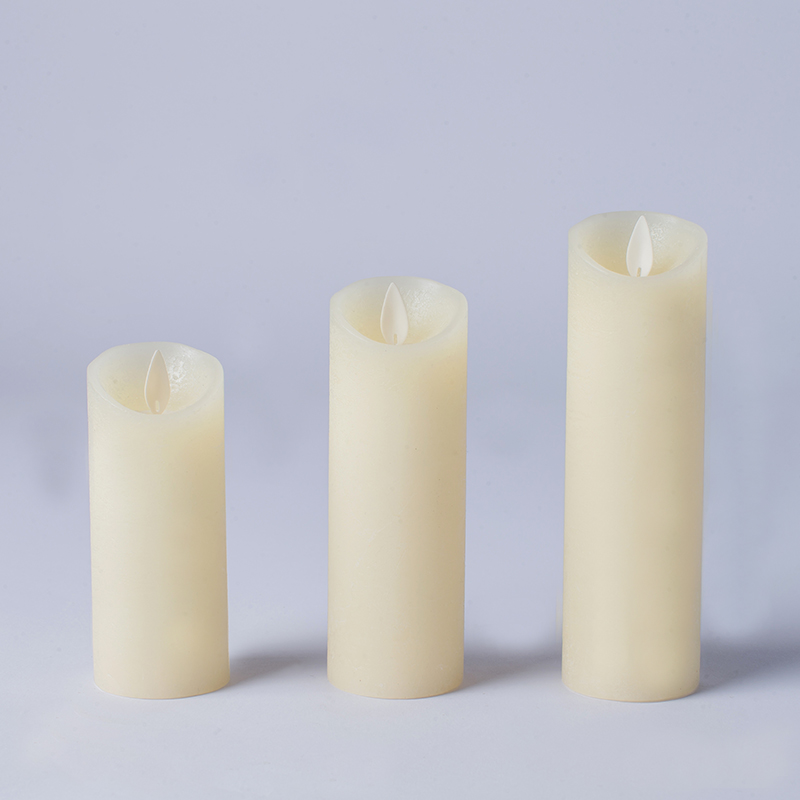
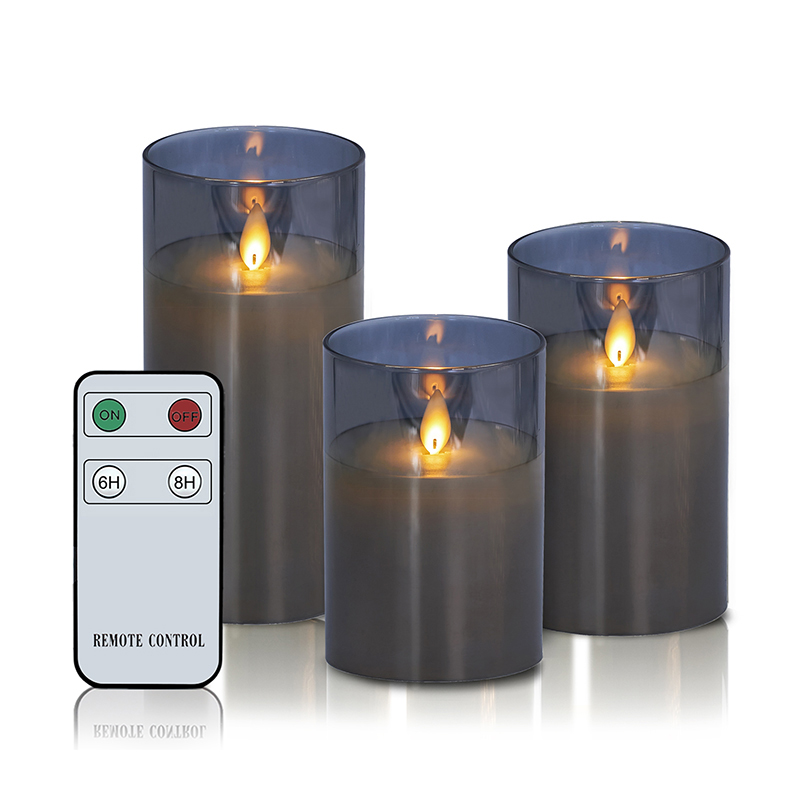
Flameless wax candles powered by candle wax in powder form deliver consistent scent and visual ambiance without an open flame, smoke, or soot residue, making them the preferred choice for hotels, retail stores, and households that prioritize safety alongside fragrance performance. Powder candle wax, typically composed of refined paraffin, soy, or coconut wax microparticles blended with fragrance oils and colorants, is increasingly used in flameless diffuser cartridges, wax melt systems, and electric warming devices because it melts evenly at lower temperatures and disperses scent more uniformly than traditional poured wax blocks. This guide explains exactly how powder candle wax is made, how it performs inside flameless wax candles, how to judge quality before buying, how to store it correctly, and what the latest market data says about where this category is heading.
What Powder Candle Wax Actually Is
Powder candle wax refers to wax that has been processed into fine granules rather than poured into solid bars or pillars. This format is produced through spray-cooling or grinding methods that break down paraffin, soy, beeswax, or blended waxes into particles typically ranging from 100 to 800 microns. According to a 2024 material processing report published by the Society of Cosmetic Chemists, particle uniformity in this range allows for faster, more even melting because surface area is dramatically increased compared to block wax of equivalent mass.
The powder format is specifically engineered for use in flameless wax candles, electric wax warmers, and automated fragrance dispensing systems where consistent melt rate and scent throw matter more than aesthetic candle shape. Unlike traditional candles, powder wax is rarely burned directly; instead it is heated via electric coils, ceramic plates, or low-voltage heating elements.
Core Composition Breakdown
| Component | Typical Percentage | Primary Function |
|---|---|---|
| Base wax (paraffin, soy, coconut) | 70 to 85 percent | Structural carrier and melt medium |
| Fragrance oil | 8 to 15 percent | Scent delivery |
| Colorant | 1 to 3 percent | Visual appearance |
| Anti-caking agent | 2 to 5 percent | Prevents clumping in storage |
How Powder Differs From Flake and Block Wax
Flake wax, sometimes called pastille wax, sits between powder and block formats in particle size, usually ranging from 2 to 5 millimeters per piece. Block wax is solid and must be cut, grated, or melted as a whole unit before use. Powder candle wax is distinct from both because its particle size is small enough to flow like sand, which allows precise volumetric or weight-based dosing in automated equipment. This dosing precision is the main reason commercial scent marketing companies have shifted toward powder formats over the past several years rather than relying on pre-cut wax blocks.
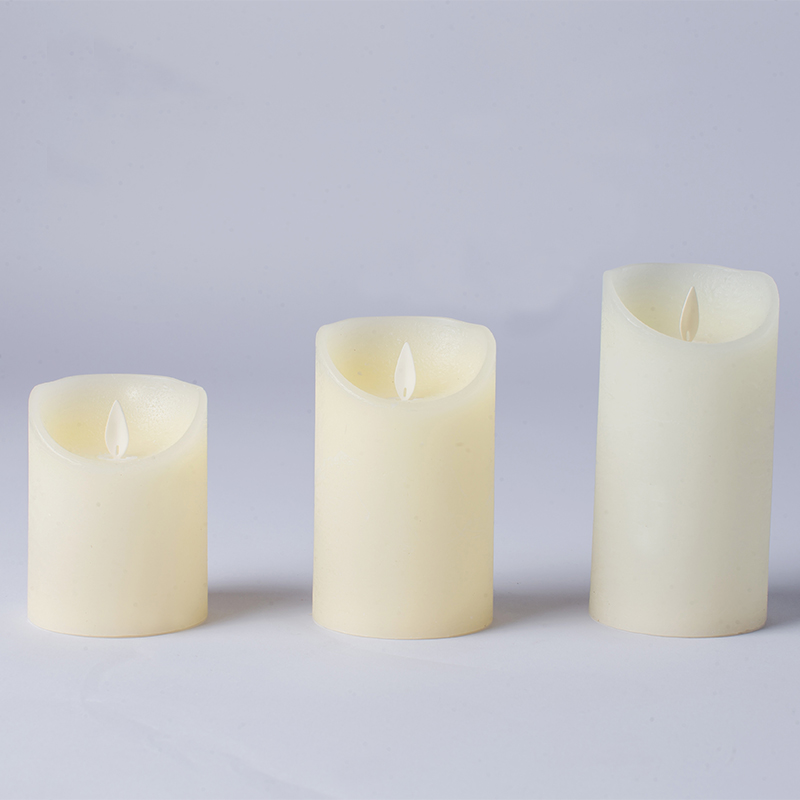
Flameless wax candles solve three persistent problems associated with traditional candles: fire risk, soot deposits, and inconsistent fragrance release. The National Fire Protection Association has historically linked thousands of residential fires annually to unattended open-flame candles, and many commercial venues including hotels, spas, and senior living facilities now restrict or prohibit open-flame candle use entirely under fire code policies.
Powder-based flameless systems address this by heating wax through controlled electric elements that never exceed 95 to 120 degrees Celsius, a range well below ignition points but sufficient to fully liquefy and aerosolize fragrance compounds. This makes flameless wax candles suitable for environments where open flame is not permitted, including dormitories, rental properties, and aircraft cabins.
Operational Advantages Compared to Traditional Candles
- No soot or carbon residue on walls, ceilings, or HVAC filters
- Consistent scent throw across the entire burn or heating cycle
- No risk of wick mushrooming or uneven tunneling
- Powder format allows precise dosing per use cycle
- Compatible with timer and smart home automation systems
- Lower surface temperature reduces risk of burns from accidental contact
- No open flame means reduced indoor air particulate compared to wick combustion
Where Restrictions Make Flameless the Only Option
Many multi-tenant residential buildings, university housing offices, and short-term rental hosts now explicitly prohibit lit candles in lease agreements due to insurance liability. In these settings, flameless wax candles using powder cartridges are often the only fragrance option available to residents who still want a candle-like ambiance. Property managers commonly note that electric flameless units reduce smoke alarm false triggers compared to traditional candle use near ceiling-mounted detectors.
The Science Behind Powder Wax Melting Behavior
Particle size directly determines how quickly and evenly powder candle wax liquefies. Smaller particles expose more surface area to heat, which reduces the time needed to reach full melt phase and produces more uniform fragrance release. A comparative melt-rate study conducted by wax formulation researchers at a 2023 fragrance industry conference found that powder wax with an average particle size of 300 microns reached full liquid phase approximately 40 percent faster than equivalent block wax under identical heat exposure.
This rapid, even melting is the primary reason manufacturers of electric wax warmers and flameless diffusers have shifted formulation efforts toward powder and granulated formats rather than poured wax cubes. Even heat distribution also reduces the likelihood of fragrance oil separating from the wax base, a common complaint with lower-quality poured wax melts that develop an oily film on the surface.
Melt Point Comparison by Wax Type
| Wax Type | Melt Point Range | Scent Throw Rating |
|---|---|---|
| Paraffin | 46 to 68 degrees Celsius | Strong |
| Soy wax | 49 to 51 degrees Celsius | Moderate |
| Coconut wax | 23 to 25 degrees Celsius | Moderate to strong |
| Beeswax blend | 62 to 64 degrees Celsius | Light |
Why Heat Cycling Matters for Fragrance Longevity
Repeated heating and cooling cycles gradually deplete fragrance oil concentration within powder wax because volatile aromatic compounds evaporate fastest during the initial heating phase. Formulators commonly build in a slightly higher fragrance load, often 1 to 2 percent above target, specifically to compensate for this early-cycle loss so that scent strength remains noticeable through later cycles rather than fading sharply after the first few uses.
Where Powder Candle Wax Is Used Today
The application range for powder candle wax has expanded well beyond home fragrance. Commercial scenting companies now use powder wax cartridges in automated dispensers placed throughout retail environments, lobbies, and waiting rooms because the powder format allows machines to dose precise quantities per cycle without manual refilling of liquid reservoirs.
Primary Use Categories
- Residential flameless wax warmers and plug-in diffusers
- Hospitality scenting in hotel lobbies and guest rooms
- Retail ambient scent marketing systems
- Spa and wellness center aromatherapy stations
- Vehicle interior fragrance cartridges
- Office and coworking space ambient fragrance systems
- Event venues seeking themed scent atmospheres without flame restrictions
In each of these settings, the appeal of powder-based flameless systems is the same: predictable, repeatable scent output without combustion byproducts. Facilities managers in particular favor flameless formats because they eliminate the liability and insurance concerns tied to open-flame candle use in public spaces.
Industry Demand Snapshot
Trade reporting from home fragrance industry publications in 2024 indicated that flameless and warmer-compatible wax formats represented a growing share of new product launches at major fragrance trade shows compared to traditional wick candles. Buyers attending these shows have noted that booths dedicated to electric warmers and powder cartridge systems occupied noticeably more floor space year over year, reflecting retailer interest in lower-liability fragrance products.
Proper Storage and Handling Practices
Powder candle wax should be stored in sealed, moisture-resistant containers away from direct sunlight and temperature extremes. Exposure to humidity above 60 percent relative humidity accelerates caking, while temperatures above 30 degrees Celsius can cause partial premature melting and clumping inside packaging.
Commercial users managing large inventories typically store powder wax in climate-controlled rooms maintained between 15 and 22 degrees Celsius, with desiccant packets included in bulk containers to control internal moisture. This extends shelf stability significantly compared to ambient warehouse storage.
Recommended Storage Conditions
| Factor | Recommended Range |
|---|---|
| Temperature | 15 to 22 degrees Celsius |
| Relative humidity | Below 50 percent |
| Light exposure | Minimal, opaque packaging preferred |
| Container type | Sealed, moisture-resistant |
Shelf Life Expectations
Under proper storage conditions, most powder candle wax blends maintain acceptable scent strength and texture for 12 to 18 months from production date. Fragrance oils with citrus or light floral notes tend to degrade faster than woody or musk-based fragrance compounds, so buyers stocking citrus-forward blends should plan for shorter inventory turnover.
Environmental Considerations of Powder Wax Production
Soy- and coconut-based powder candle wax has become more prevalent as manufacturers respond to demand for renewable feedstocks over petroleum-derived paraffin. A 2024 market analysis of the home fragrance sector noted that plant-based wax adoption in flameless products has grown steadily as consumers weigh sourcing alongside scent performance.
That said, paraffin remains widely used because of its lower cost and stronger fragrance-carrying capacity, and many commercial blends combine paraffin with plant-based waxes to balance scent throw with sustainability goals. Buyers prioritizing renewable sourcing should specifically request documentation on wax origin from suppliers, since blended products are not always clearly labeled by percentage composition.
Packaging Trends Worth Noting
Refillable cartridge systems for flameless wax candles have grown in popularity partly because they reduce packaging waste compared to single-use wax melt trays. Several manufacturers now offer bulk powder refill pouches designed to be poured directly into reusable cartridge housings, cutting down on the plastic shell waste generated by disposable wax melt packs.
Common Performance Issues and Practical Fixes
Even well-made powder candle wax can underperform if paired with the wrong equipment or used incorrectly. The following issues are the most frequently reported by users of flameless wax warmers and cartridge-based diffusers.
Weak Scent Throw
This is usually caused by using too little powder per cycle, operating the warmer in a large open room without adequate airflow, or using wax that has already lost fragrance oil through evaporation during prior cycles. Increasing the dose slightly or switching to a fresher batch typically resolves this.
Uneven Melting
Uneven melting points to either inconsistent particle sizing in the wax itself or a heating element that is not distributing heat evenly across the dish. Stirring the powder gently partway through the heating cycle can help, though persistent unevenness usually indicates a wax quality issue rather than a device issue.
Residue Buildup in Warmer Dishes
Hardened residue after repeated cycles often comes from fragrance oils that have partially separated and carbonized slightly at the dish surface. Cleaning the dish between full cycles, rather than layering new powder over old residue, prevents this buildup from affecting future scent quality.
How Powder Candle Wax Is Manufactured
Most powder candle wax begins as molten base wax that is blended with fragrance oil and colorant at a controlled temperature, usually between 70 and 90 degrees Celsius depending on the wax type. The liquid blend is then pushed through one of two primary processing methods to achieve a granulated final product.
Spray-Cooling Method
In spray-cooling, molten wax mixture is forced through fine nozzles into a cooling tower where cold air rapidly solidifies the droplets into small spherical granules before they reach the collection point. This method produces highly uniform particle sizes, which is one reason spray-cooled powder wax is favored for automated cartridge dispensers that require predictable flow rates.
Grinding and Milling Method
The alternative approach cools the wax blend into a solid slab first, then mechanically grinds it into powder using rotary or hammer mills. This method is generally less expensive but produces a wider range of particle sizes within a single batch, which can lead to the uneven melting issues described earlier in this guide unless the manufacturer sieves the output to remove oversized particles.
Manufacturing Method Comparison
| Method | Particle Consistency | Relative Cost |
|---|---|---|
| Spray-cooling | High | Higher |
| Grinding and milling | Variable, depends on sieving | Lower |
Equipment Designed Specifically for Powder Wax
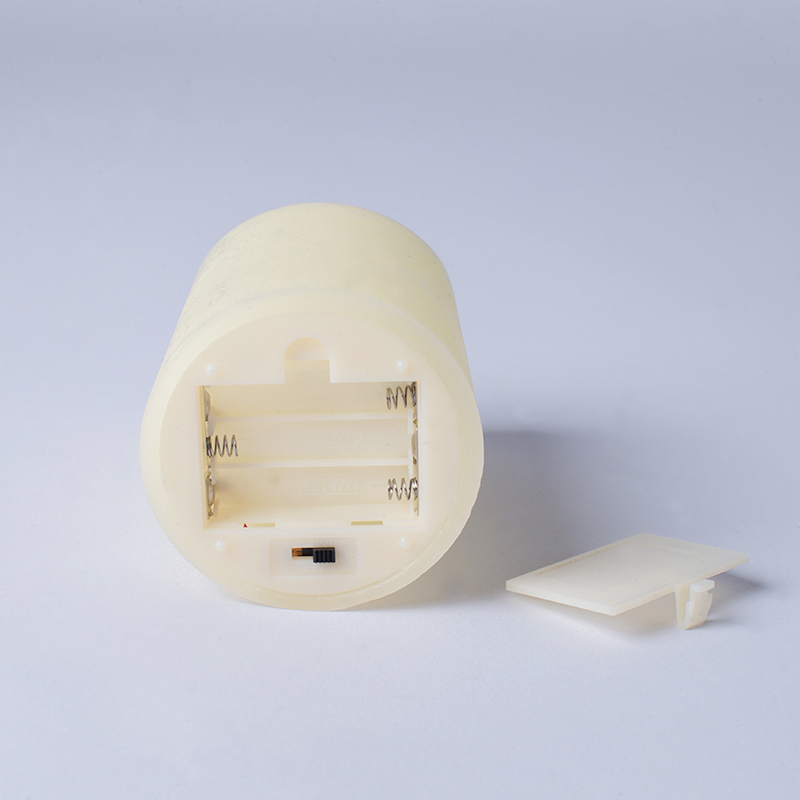
Because powder candle wax behaves differently from solid wax cubes, the warmers and dispensers built for it are engineered with specific dosing and heating mechanisms rather than a simple open dish.
Cartridge-Based Warmers
These devices use sealed plastic or metal cartridges pre-filled with a measured amount of powder wax. The cartridge slots into a heating bay where a ceramic or metal plate warms the underside until the powder liquefies and fragrance is released through small vents. Because the cartridge is sealed until use, fragrance loss during shelf storage is minimized compared to open-tray systems.
Tray and Dish Warmers
Simpler electric warmers use an open ceramic or metal dish heated from below by a low-wattage element, typically between 15 and 25 watts. Users manually spoon powder wax into the dish. This format gives more control over dose size but exposes the wax to ambient air both before and after melting, which can shorten effective scent life per batch.
Automated Dispensing Units
Used primarily in commercial scenting, these units use small motorized augers or vibration plates to release a precise, repeatable amount of powder wax onto a heating surface at scheduled intervals. Facilities relying on continuous ambient fragrance, such as hotel lobbies, commonly use this format because it removes the need for staff to manually refill or monitor dosing throughout the day.
Selecting the Right Equipment
- Small bedrooms and offices generally work well with low-wattage dish warmers
- Larger open-plan rooms benefit from cartridge units with stronger heating elements
- Commercial spaces with continuous fragrance needs should consider automated dispensing systems
- Rental properties often favor cartridge units since they leave no residue on furniture surfaces
Powder Wax Versus Other Flameless Fragrance Formats
Powder candle wax is one of several flameless fragrance delivery formats on the market. Reed diffusers, plug-in oil diffusers, and ultrasonic mist diffusers all compete for the same use cases, so it is worth understanding how powder wax stacks up against each.
| Format | Scent Control | Maintenance Needed | Visual Ambiance |
|---|---|---|---|
| Powder candle wax warmer | High, adjustable by dose and heat | Periodic dish cleaning | Candle-like glow available on many models |
| Reed diffuser | Low, passive evaporation only | Occasional reed flipping | Minimal |
| Plug-in oil diffuser | Moderate, some have intensity dials | Refill cartridge swaps | None |
| Ultrasonic mist diffuser | High, often app or timer controlled | Water tank refills and cleaning | Light mist visual effect |
Powder candle wax warmers occupy a useful middle ground: they offer the warm visual character associated with traditional candles, which neither reed diffusers nor oil plug-ins replicate, while still avoiding the open flame and soot concerns of wicked candles.
Cost Considerations for Powder Wax Versus Traditional Candles
Pricing for powder candle wax is generally calculated per kilogram for bulk buyers and per cartridge or pouch for retail consumers. Because powder formulations use fragrance oil more efficiently due to even melt distribution, less wax by weight is often needed to achieve comparable scent strength compared to lower-quality poured candles that waste fragrance through tunneling.
Typical Cost Factors
- Base wax type, with paraffin generally cheaper than coconut wax
- Fragrance oil concentration and complexity of the scent blend
- Production method, with spray-cooling typically costing more than grinding
- Packaging format, with refillable pouches often cheaper per use than single-use cartridges
- Order volume, since bulk commercial buyers receive significant per-kilogram discounts
Buyers comparing total cost of ownership should factor in cycle count per package rather than purchase price alone, since a higher-priced powder wax with strong fragrance retention can still be more economical per use than a cheaper product that loses scent strength after only a few heating cycles.
Current Market Trends Shaping This Category
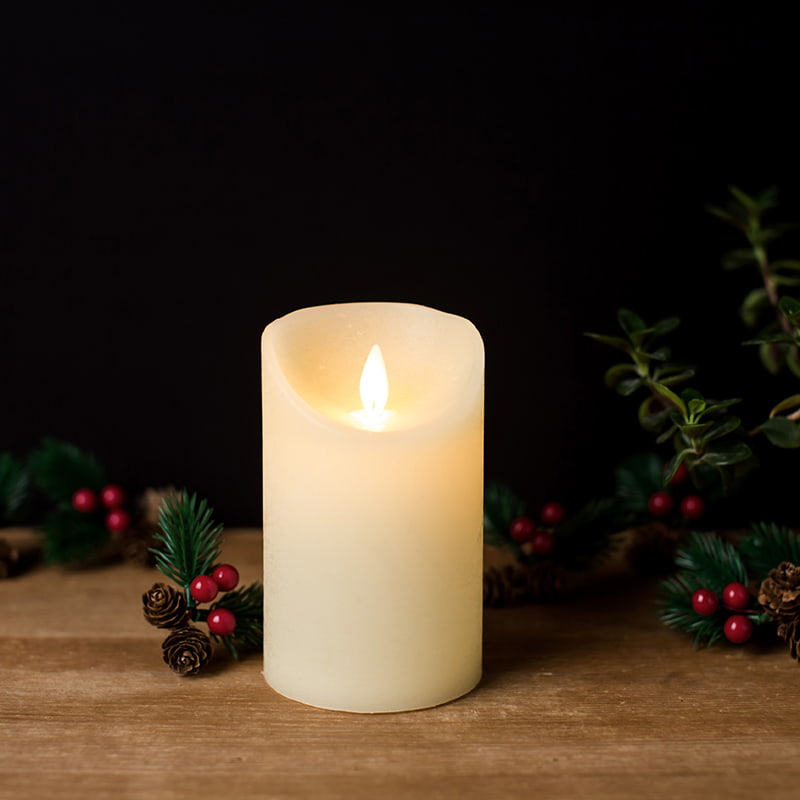
Several shifts have become visible in the flameless fragrance space over the past few product cycles. Manufacturers report rising interest from consumers in customizable scent intensity controls, smart plug compatibility for app-based scheduling, and demand for recyclable cartridge packaging.
Notable Developments
Smart home integration has expanded into the flameless candle category, with several warmer models now supporting voice assistant or app-based scheduling so users can set automatic on and off times rather than manually operating the device.
Multi-scent cartridge systems have also entered the market, allowing a single base unit to rotate between two or three different powder wax cartridges, giving users variety without purchasing multiple separate devices.
Subscription refill services for powder wax pouches have grown among direct-to-consumer fragrance brands, mirroring subscription models already common in coffee and personal care categories, reflecting consumer preference for convenience-based reordering over one-off retail purchases.
Frequently Asked Questions
Is powder candle wax the same as wax melt cubes?
No. Wax melt cubes are solid, pre-shaped blocks meant to be broken apart and placed into a warmer dish, while powder candle wax is granulated and dosed by volume or weight, often used in automated or cartridge-based flameless systems rather than manual placement.
Can powder candle wax be used in any electric warmer?
Most powder wax is designed for specific warmer formats, particularly cartridge-style or tray-style electric units that heat from below or via an enclosed element. Standard tealight warmers designed for solid wax cubes may not distribute heat evenly across loose powder.
Does flameless wax candle technology eliminate all fire risk?
Flameless systems remove the open-flame ignition risk associated with traditional wicked candles, but electric components still carry standard appliance-related risks such as overheating if used with damaged cords or left in contact with flammable materials for extended periods. Following manufacturer operating instructions remains important.
Why does my powder wax clump together in storage?
Clumping is typically caused by humidity exposure or insufficient anti-caking agent in the original formulation. Storing powder wax in a sealed container in a cool, dry location significantly reduces this issue.
How long does scent typically last with powder wax versus block wax?
Because powder wax melts more evenly across its full surface area, fragrance release tends to be more consistent throughout a heating cycle, whereas block wax can experience uneven release as the outer layer melts before the core. Total scent duration depends heavily on fragrance oil concentration rather than wax format alone.
Is paraffin powder wax less safe than soy powder wax?
Both are considered low-risk for flameless applications since they are heated well below combustion temperatures. The primary differences relate to sourcing preferences and scent throw characteristics rather than safety during normal flameless use.
Can powder candle wax be mixed with essential oils instead of synthetic fragrance oil?
Yes, though essential oils generally have lower flash points and weaker scent throw at low heat compared to formulated fragrance oils, so a higher concentration is often needed to achieve comparable scent strength in a flameless warmer setting.
How much powder wax should be used per heating cycle?
This varies by device and room size, but most household flameless warmers are designed for small measured doses per cycle rather than large quantities, since overloading the heating dish can slow melt time and reduce even fragrance distribution rather than improving scent strength.