
 English
 Español
 Content
- 1 What a Coloured Lamp Actually Does for Your Space
- 2 Understanding Colour Temperature: The Number That Changes Everything
- 3 Types of Coloured Lamps and How Each One Performs
- 4 How to Layer Coloured Lamps for a Cohesive Room
- 5 Room-by-Room Coloured Lamp Recommendations
- 6 Buying Guide: What to Check Before Purchasing a Coloured Lamp
- 7 LED Candle Lights vs Traditional Candles: A Practical Comparison
- 8 Common Mistakes to Avoid with Coloured Lamps
- 9 The Role of Coloured Lamps in Seasonal and Festive Decorating
What a Coloured Lamp Actually Does for Your Space
A coloured lamp is not just a decorative afterthought. It directly shapes how a room feels, how alert or relaxed you are, and even how colours on your walls and furniture appear. Research from the Lighting Research Center shows that warm-toned light below 3000K reduces cortisol levels and promotes relaxation, while cooler tones above 5000K increase alertness by up to 23%. Choosing the wrong coloured lamp for a space is one of the most common and invisible decorating mistakes people make.
The bottom line is this: the colour of your lamp — whether that refers to the physical shade, the bulb tint, or the emitted light colour — controls the entire emotional register of a room. Get it right, and a modest space feels curated and intentional. Get it wrong, and even expensive furniture looks flat or unwelcoming.
This guide covers everything from understanding colour temperature and lamp shade materials to how LED candle lights fit into a layered lighting scheme, and what specific lamp types work best in which rooms.
Understanding Colour Temperature: The Number That Changes Everything
Colour temperature is measured in Kelvin (K) and describes the warmth or coolness of light emitted from a bulb. It has nothing to do with how hot the bulb gets physically — it is purely a description of the light's visual quality. Every coloured lamp you buy interacts with this number in a significant way.
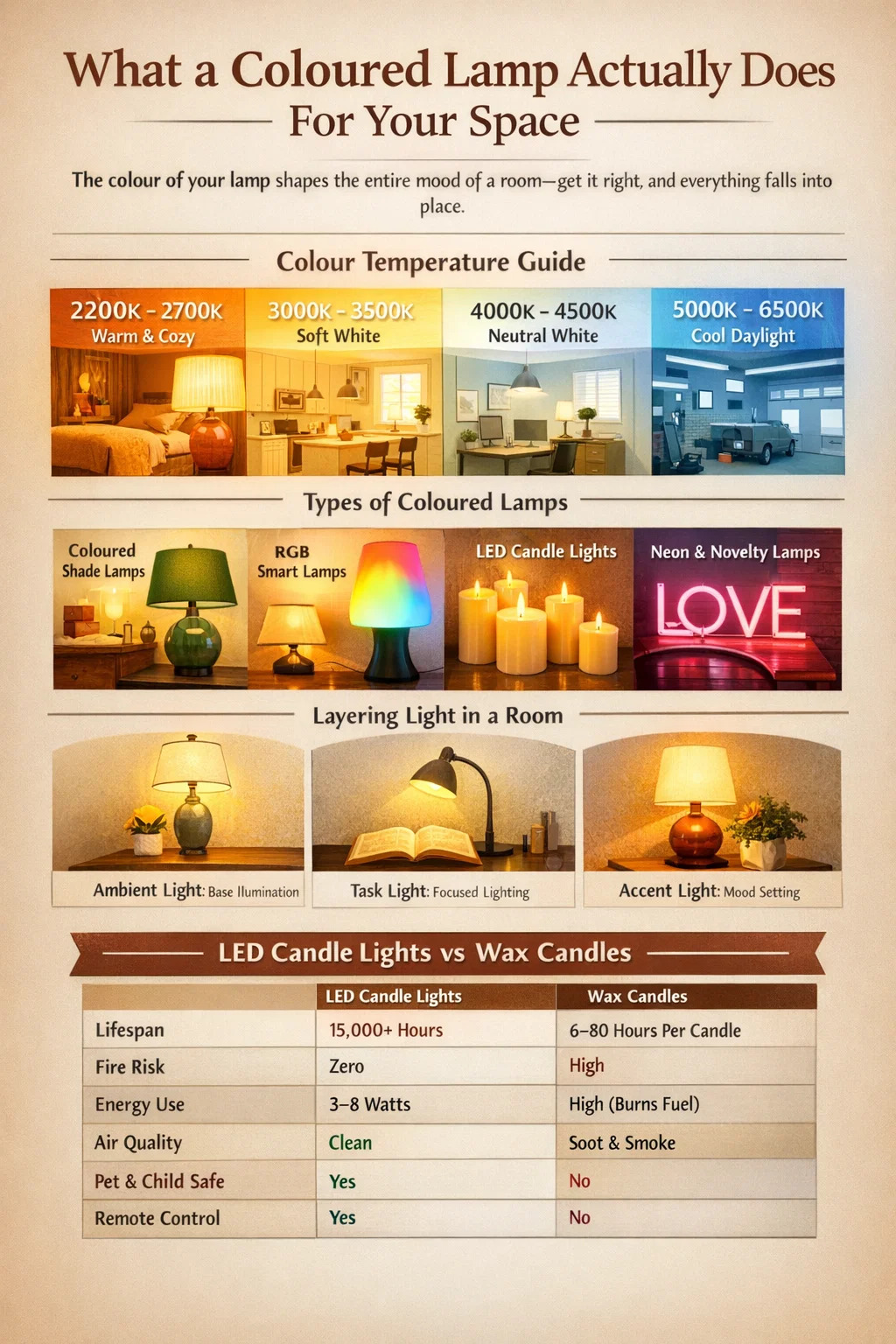
| Kelvin Range | Appearance | Best For | Common Lamp Type |
|---|---|---|---|
| 2200K – 2700K | Warm amber/yellow | Bedrooms, living rooms, dining | LED candle lights, table lamps |
| 3000K – 3500K | Soft white | Kitchens, bathrooms, offices | Pendant lamps, floor lamps |
| 4000K – 4500K | Neutral white | Workspaces, retail display | Task lamps, track lighting |
| 5000K – 6500K | Cool daylight blue-white | Studios, garages, medical spaces | Overhead fixtures, shop lamps |
When selecting a coloured lamp for a living room or bedroom, the 2200K–2700K range is almost always the right answer. This range mimics candlelight and incandescent glow, which is why LED candle lights are typically engineered to sit at 2200K to 2400K — they are designed to replicate the warmth of an open flame without the fire hazard or wax drip.
One critical point that many buyers miss: the colour of a lamp shade significantly shifts the perceived colour temperature of the light that reaches the room. A cream or beige linen shade over a 3000K bulb will produce light that reads closer to 2600K because the shade filters and warms the output. A white acrylic shade, by contrast, transmits more of the bulb's true colour, making it appear cooler and brighter than a fabric equivalent.
Types of Coloured Lamps and How Each One Performs
The term "coloured lamp" covers a wide range of products. Some refer to the colour of the physical lamp body or shade. Others refer specifically to lamps that emit coloured light — red, blue, green, or multicolour via RGB technology. And some, like LED candle lights, are coloured in terms of their warm light tone rather than a saturated hue. Understanding these distinctions prevents costly purchasing mistakes.
Table Lamps with Coloured Shades
A table lamp with a coloured shade — navy, forest green, terracotta, blush — casts a tinted wash of light into the immediate area around it. The shade colour mixes with the bulb's output. A deep green shade over a warm bulb produces a rich, moody ambient tone that reads as atmospheric rather than functional. These lamps work exceptionally well as accent pieces on side tables, bookshelves, or console tables.
The practical consideration: darker shades significantly reduce the total lumens reaching the room. A 60W-equivalent LED bulb (roughly 800 lumens) placed inside a dark-coloured opaque shade may deliver only 200–300 usable lumens to the surrounding space. If the lamp is the primary light source in the room, that may be insufficient. If it is an accent layer in a well-lit room, it is often ideal.
RGB and Smart Colour-Changing Lamps
RGB lamps use red, green, and blue LEDs in combination to produce millions of colour variations. Smart versions connect to apps or voice assistants and allow users to schedule colour changes, sync to music, or set scenes. Brands like Philips Hue, LIFX, and Govee have made this category highly accessible, with RGB table lamps starting under $30 and more sophisticated multi-zone systems reaching $150 or more.
The limitation of RGB lamps is that saturated colours — deep red, pure blue — are almost never used as primary room lighting. They create a dramatic or party atmosphere that is context-specific. Most owners use their RGB lamps at pastel-level saturation for daily ambiance, reserving full-intensity colours for specific occasions. If you want an RGB lamp primarily for its white-light range, look for RGBW models that include a dedicated white LED chip alongside the colour LEDs — these produce cleaner whites than mixing RGB at equal intensities.
LED Candle Lights as a Coloured Lamp Category
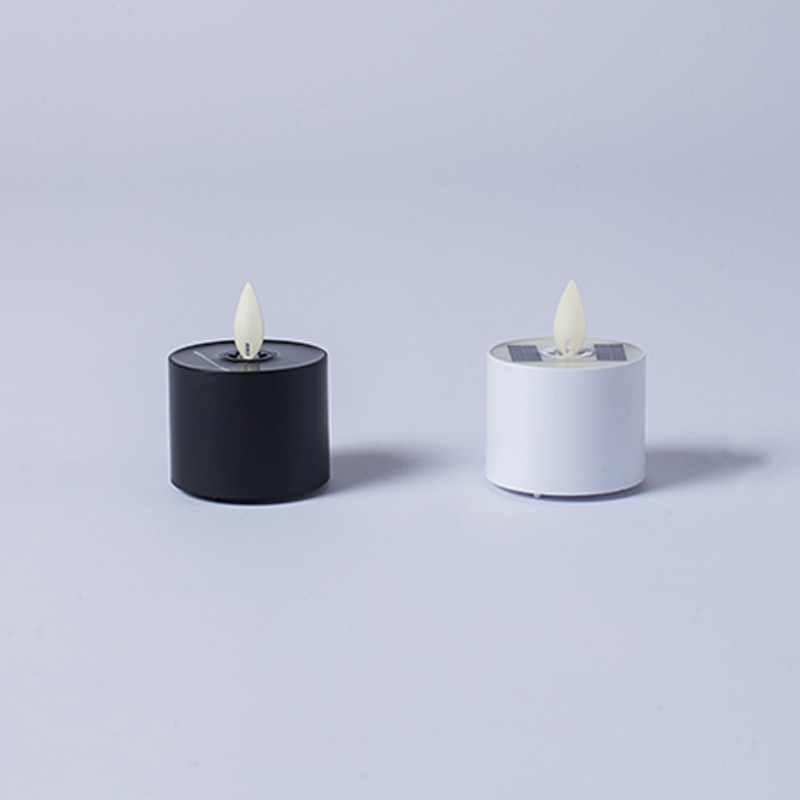
LED candle lights occupy a specific and increasingly popular niche within the broader coloured lamp market. They are engineered to replicate the amber, flickering quality of a real candle flame. Some use a single warm-tone LED with a flame-shaped bulb tip. Others incorporate a microcontroller that drives subtle variation in brightness — the "flicker effect" — making the light behave more organically.
High-quality LED candle lights typically operate at 2200K to 2400K with a Color Rendering Index (CRI) of 80 or above. A CRI of 80+ means the light renders colours in the room reasonably accurately, while the ultra-warm Kelvin rating ensures the glow feels intimate and flame-like rather than clinical. They use between 3W and 8W of electricity, making them extremely efficient compared to the 40W wax candles they replace in terms of equivalent perceived brightness.
LED candle lights come in several form factors:
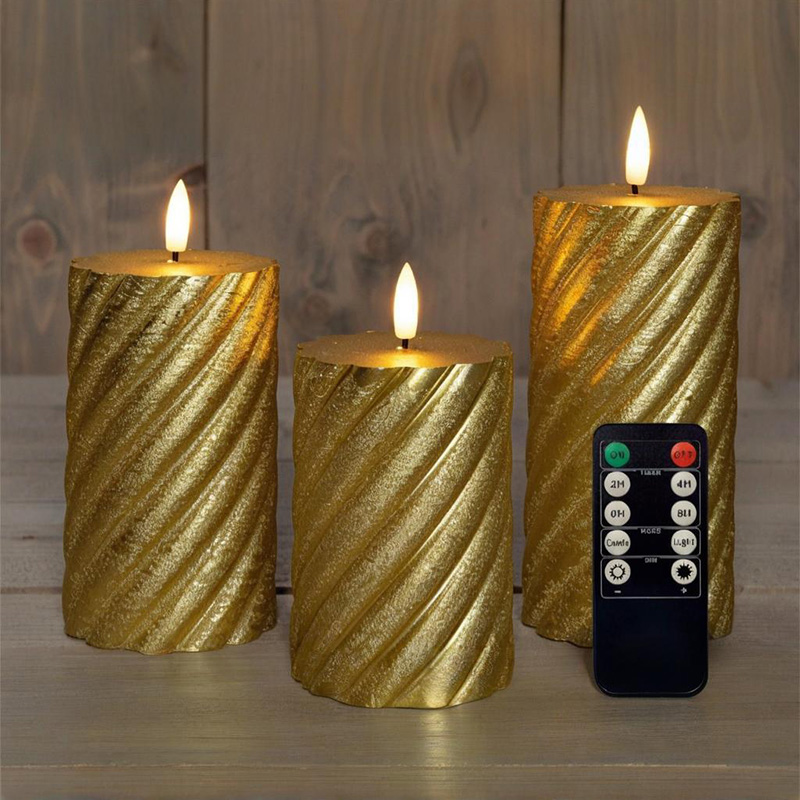
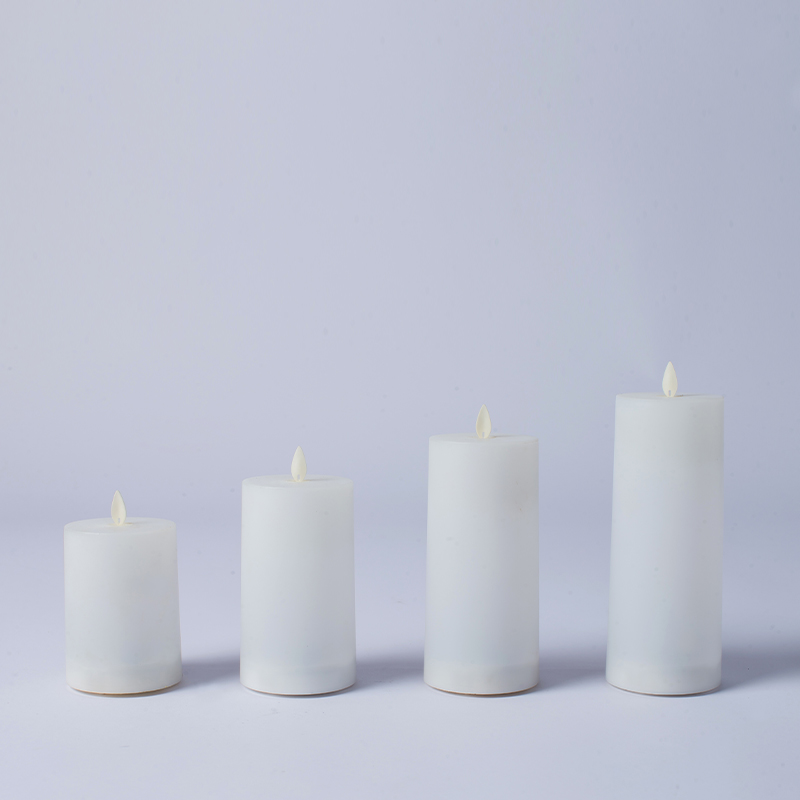
- Flameless pillar candles — cylindrical wax or faux-wax shells with an LED inside, often battery-operated and remote-controlled
- Candelabra-base LED bulbs — standard E12 or E14 base bulbs with a flame-tip shape, used in chandeliers, wall sconces, and candelabra fixtures
- String light candles — small LED candle-shaped bulbs on wire, used for outdoor gardens, wedding decor, or festive lighting
- Tea light LEDs — small disc-shaped units that sit in holders or lanterns, replacing traditional wax tea lights
When used inside a coloured lamp shade — for example, a classic white ceramic table lamp with a translucent amber shade — LED candle lights produce a layered warmth that is nearly impossible to distinguish from incandescent light to the naked eye. This makes them the most aesthetically convincing replacement for older filament bulbs in traditional lamp designs.
Coloured Neon and Novelty Lamps
LED neon flex lamps — shaped into words, symbols, or abstract forms — have become a mainstream decor item. Unlike traditional glass neon tubes, LED neon flex uses silicone tubing with embedded LED strips, making the product lightweight, shatter-resistant, and far more energy-efficient. A typical LED neon sign drawing 15–25W replaces a glass neon equivalent drawing 60–100W for the same brightness output.
These lamps are a distinct coloured lamp category because they function primarily as art objects rather than functional light sources. They add visual interest and a point of colour to a wall or shelf without contributing meaningful lux levels to the room's overall illumination.
How to Layer Coloured Lamps for a Cohesive Room
Professional interior lighting design is built on the concept of layering: combining ambient, task, and accent light sources to create depth and flexibility. A coloured lamp typically functions as an accent or ambient layer. Understanding where it fits prevents the common mistake of relying on a single lamp to do too much work.
The Three-Layer Framework
- Ambient light — the base level of illumination for the room; typically ceiling fixtures, recessed lighting, or large floor lamps
- Task light — directed, brighter light for specific activities like reading, cooking, or desk work
- Accent light — decorative or mood-setting light that adds visual interest; this is where most coloured lamps and LED candle lights live
A well-lit living room might include recessed ceiling lights at 3000K for ambient coverage, a directional floor lamp over a reading chair for task lighting, and two table lamps with warm amber shades fitted with LED candle lights at 2200K as accent sources. Dimming the ceiling lights in the evening while the table lamps remain on shifts the room from functional daytime mode to relaxed evening mode without rearranging anything.
Matching Coloured Lamp Tones Across a Room
Colour temperature inconsistency is one of the most disruptive visual problems in residential lighting. If one table lamp uses a 2700K bulb and another uses a 4000K bulb, the room will feel incoherent — one corner warm and inviting, another cold and clinical. All lamps in the same room should stay within 200–300K of each other for a harmonious result.
When mixing coloured lamp types — say, a blue ceramic table lamp and a brass floor lamp — the physical colour of the lamp body is less critical than the light it emits. Two lamps of wildly different visual styles can coexist comfortably if they share the same colour temperature. Conversely, two matching lamps from the same product line will clash visually if they are fitted with bulbs at different Kelvin ratings.
Using LED Candle Lights to Anchor Warm Zones
One of the most effective uses of LED candle lights in a layered scheme is to anchor specific "warm zones" — areas of the room designed for relaxation or social gathering. Placing flameless pillar candles on a coffee table or mantelpiece, paired with table lamps using LED candle light bulbs in the 2200K range, creates a concentration of amber warmth that draws people instinctively toward those areas. This is how restaurants and hotels engineer their seating areas to feel welcoming — it is not magic, it is deliberate colour temperature management.
Room-by-Room Coloured Lamp Recommendations
Different rooms demand different approaches to coloured lamps. The same product that transforms a bedroom into a sanctuary can make a kitchen feel dingy and impractical. Here is a practical breakdown by room type.
Living Room
Living rooms benefit from the widest variety of coloured lamp options because they serve multiple functions — socialising, watching television, reading, and relaxing. The ideal approach is multiple lamps on dimmers. Warm-toned table lamps with coloured fabric shades (terracotta, dusty rose, olive green) add character. LED candle lights in sconces or candelabra fixtures on the walls provide supplementary warmth without ceiling glare. Aim for a combined ambient lux level of 150–300 lux for general use, dropping to 50–100 lux for evening relaxation.
Bedroom
The bedroom is where warm coloured lamps matter most. Exposure to light above 3000K within two hours of sleep significantly disrupts melatonin production, according to studies published in the Journal of Clinical Endocrinology and Metabolism. LED candle lights in bedside table lamps — operating at 2200K to 2400K — provide enough light for reading while keeping the biological wind-down process intact. A coloured lamp with a linen or cotton shade in ivory or blush will further filter the bulb's output, softening any hard edges in the light quality.
Avoid blue or daylight-tone bulbs in bedroom lamps entirely. Even a single 5000K source on a bedside table is enough to delay sleep onset by measurable margins.
Dining Room
Dining rooms are one of the few spaces where a coloured lamp or coloured pendant can be used boldly without risk. Deep-coloured shades — cobalt blue, burgundy, forest green — work well over dining tables because the concentrated downward light from a pendant creates a focused "island" of illumination that makes the table itself the centre of visual attention. LED candle lights placed on the table or in a sideboard lamp at the room's periphery complete the layer without competing with the pendant's focal role.
Warm lighting in dining environments has been shown to increase meal satisfaction and time spent at the table — hospitality research from Cornell University found that diners in warmer, dimmer lighting ate more slowly and reported greater enjoyment of food. A coloured lamp scheme in the dining room is therefore not just aesthetic; it is functional.
Home Office
Home offices are where coloured lamps need to be chosen carefully. The primary task light — whether a desk lamp or overhead fixture — should sit at 4000K to 5000K for maximum alertness and visual clarity. However, a secondary coloured lamp in the room at 2700K–3000K provides a visual anchor that prevents the space from feeling sterile. This two-temperature approach — cooler task light, warmer ambient lamp — is used in many professional office design environments to balance productivity with psychological comfort.
Outdoor and Garden Spaces
Outdoor coloured lamps include garden lanterns, post lights, string lights, and wall-mounted fixtures. LED candle lights in weatherproof lanterns are extremely popular for garden tables, pathways, and pergolas. The key specification to check for outdoor LED candle lights is the IP (Ingress Protection) rating. An IP44 rating is the minimum for sheltered outdoor use; IP65 is recommended for fully exposed installations. Battery-operated flameless candles with IP44 ratings are ideal for outdoor dining tables where a permanent electrical connection is inconvenient.
Buying Guide: What to Check Before Purchasing a Coloured Lamp
Shopping for a coloured lamp involves more variables than most people expect. Going through the following checklist before purchase prevents the most common mistakes.
- Shade material and transmittance — Linen and cotton shades transmit 30%–50% of the bulb's light output. Opaque ceramic or metal shades transmit almost none upward, directing all light downward or through the base. Glass shades transmit 70%–90%. Know what you are buying in terms of light output, not just visual appearance.
- Bulb base compatibility — Standard table lamps use E26 (US) or E27 (EU/UK) bases. Candelabra fixtures use E12 or E14. Wall sconces may use either. LED candle lights come in all these base sizes, so matching the base before buying is essential.
- Dimmer compatibility — Not all LED bulbs, including LED candle lights, are compatible with all dimmer switches. Check that the bulb is specifically listed as dimmable, and verify that your dimmer switch is rated for LED loads. Mismatched dimmers cause flickering, buzzing, and premature LED failure.
- Lumen output relative to shade — If you are placing a bulb inside a coloured or dark shade, choose a bulb with higher lumen output than you might expect to need. A 1000-lumen bulb inside a heavily filtered shade may produce the same perceived brightness as a 400-lumen bulb in an open lamp.
- CRI value — For lamps used in spaces where colour accuracy matters — artwork displays, dressing areas, kitchen task lighting — choose bulbs with a CRI of 90 or above. For pure ambiance lamps and LED candle lights, CRI 80+ is generally adequate.
- Flicker rate for LED candle lights — Cheap LED candle lights sometimes flicker at 100–120Hz, which causes headaches and eye fatigue in sensitive individuals even when not consciously visible. Better-quality LED candle lights use PWM frequencies above 1000Hz or flicker-free driver technology. Check product specifications or look for "flicker-free" labelling.
- Lamp stability and scale — A coloured lamp that is too small for its intended surface will look tentative and add little visual weight. As a rough guide, a table lamp on a side table should have a shade diameter roughly two-thirds the width of the surface it sits on. A floor lamp next to a sofa should reach approximately at or just above seated eye level — around 58 to 64 inches total height.
LED Candle Lights vs Traditional Candles: A Practical Comparison
For anyone considering LED candle lights as part of a coloured lamp or decorative lighting scheme, the comparison against real wax candles matters on several practical levels beyond just aesthetics.
| Factor | LED Candle Lights | Wax Candles |
|---|---|---|
| Lifespan | 15,000–25,000 hours | 6–80 hours per candle |
| Fire risk | None | Significant (open flame) |
| Energy consumption | 3W – 8W per unit | N/A (combustion-based) |
| Air quality | No emissions | Releases soot, VOCs, particulates |
| Pet/child safety | High — cool to touch | Low — hot wax and flame |
| Remote/timer control | Available on most models | Not possible |
| Visual realism | High on quality models with flicker | Maximum — real flame |
| Long-term cost | Low | Ongoing purchase cost |
For households with children, pets, or people with respiratory sensitivities, LED candle lights are not a compromise — they are the superior choice. The only meaningful loss compared to real candles is the scent component, which some high-end flameless candle brands address by including fragrance oils in the wax shell that dissipate slowly at room temperature without any combustion.
Common Mistakes to Avoid with Coloured Lamps
Even experienced decorators make recurring errors with coloured lamps. Knowing these patterns saves both money and frustration.
- Buying a coloured lamp for its appearance without testing the light it emits. A beautiful teal ceramic lamp base may cast a greenish tint through its shade that clashes with warm wall colours. Always check what light actually exits the shade before committing.
- Mixing colour temperatures across visible lamps. Two lamps in the same sightline at 2700K and 4000K will look wrong even if you cannot immediately identify why. Standardise Kelvin across each room.
- Using a single coloured lamp as the only light source in a room. No standalone lamp, however beautiful, can adequately light an entire room. It will create extreme contrast between bright and dark zones that feels uncomfortable rather than atmospheric.
- Choosing LED candle lights based solely on price. Budget LED candle lights often use lower-grade drivers that produce visible flicker, have poor CRI values that distort room colours, and fail within one to two years. Spending an extra $5–$10 per bulb on a reputable brand typically doubles the usable lifespan.
- Ignoring scale. An undersized lamp on a large surface looks accidental rather than intentional. Scale the lamp to the furniture and room proportions before choosing a style.
- Placing RGB lamps in rooms used for focused work. Coloured or shifting light in a home office or study disrupts cognitive focus. RGB lamps belong in spaces where atmosphere, not concentration, is the priority.
The Role of Coloured Lamps in Seasonal and Festive Decorating
One of the most practical applications of coloured lamps — particularly LED candle lights — is in seasonal decorating. Swapping out standard bulbs for warm-toned LED candle lights during autumn and winter months deepens the sense of seasonal transition in a home. The lower sun angle during winter months already reduces the natural warm light entering a home; supplementing with coloured lamp sources at 2200K–2400K compensates for this and maintains the psychological sense of warmth and shelter.
For holiday decorating specifically, LED candle lights in lanterns, hurricane vases, or candelabra fixtures on mantlepieces and dining tables are among the safest and most effective options. They can run for extended periods without supervision — unlike real candles — and many battery-operated versions include six-hour or eight-hour timers that switch the lights on at dusk and off automatically. This kind of automated warmth requires no management and creates a consistent welcoming effect every evening throughout the festive period.
For summer decorating, the calculus shifts. Lighter, cooler coloured lamps — soft blue tones, white rattan shades, pale linen — align more naturally with the longer, brighter daylight hours and the preference for fresh, airy interiors during warm months. Having a small collection of interchangeable lamp shades in different tones and colours allows a single lamp base to serve both seasonal moods without replacing the entire fixture.