
 English
 Español
 Content
- 1 What Are Solar Powered Candles?
- 2 How Do Solar Powered Candles Work?
- 3 Types of Solar Powered Candles Available
- 4 Solar Candles vs. Traditional Candles vs. Battery-Operated Candles
- 5 Key Benefits of Solar Powered Candles
- 6 Where Solar Powered Candles Work Best
- 7 What to Look for When Buying Solar Powered Candles
- 8 Tips for Getting the Most Out of Solar Candles
- 9 Common Questions About Solar Powered Candles
- 10 The Growing Market for Solar Decorative Lighting
What Are Solar Powered Candles?
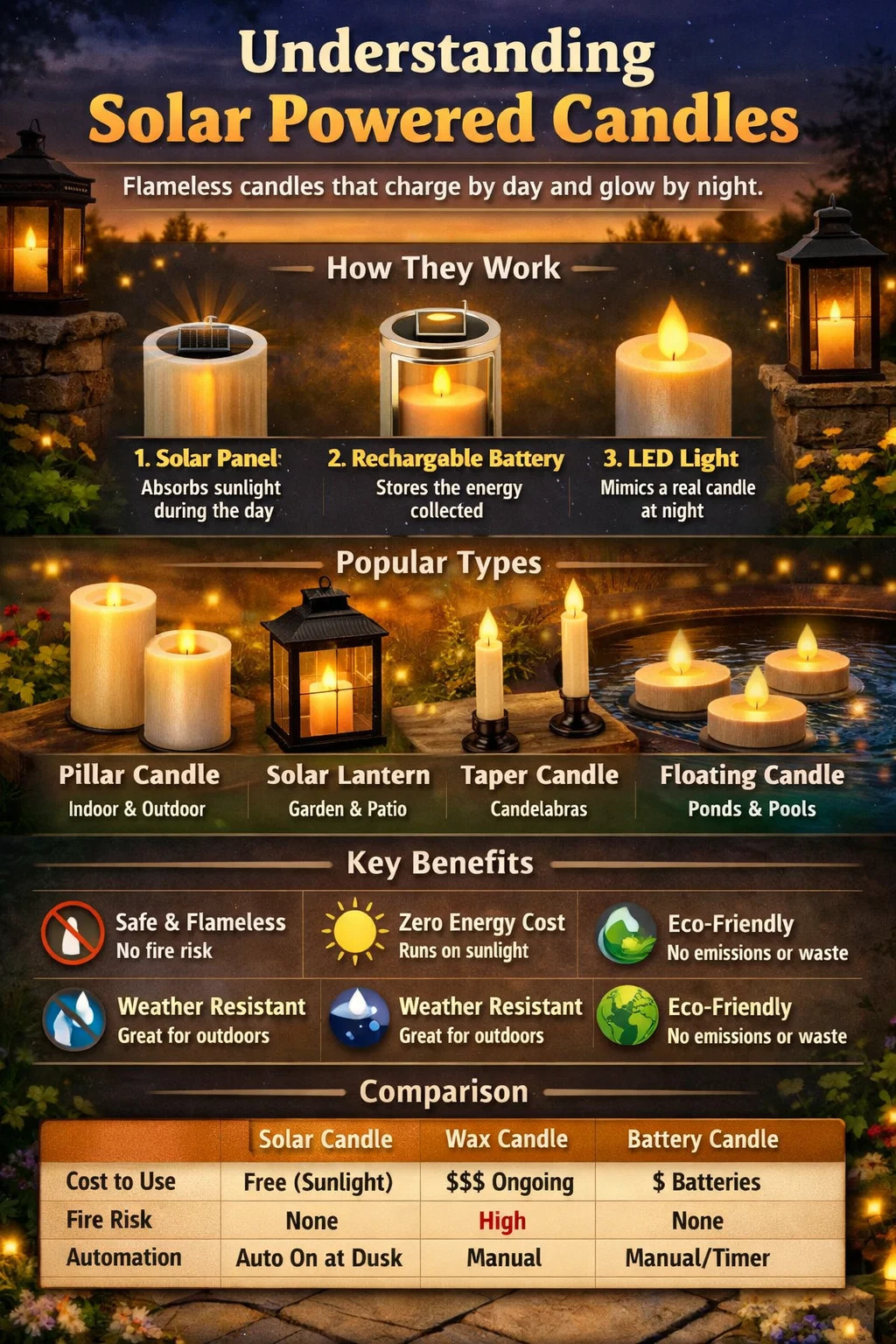
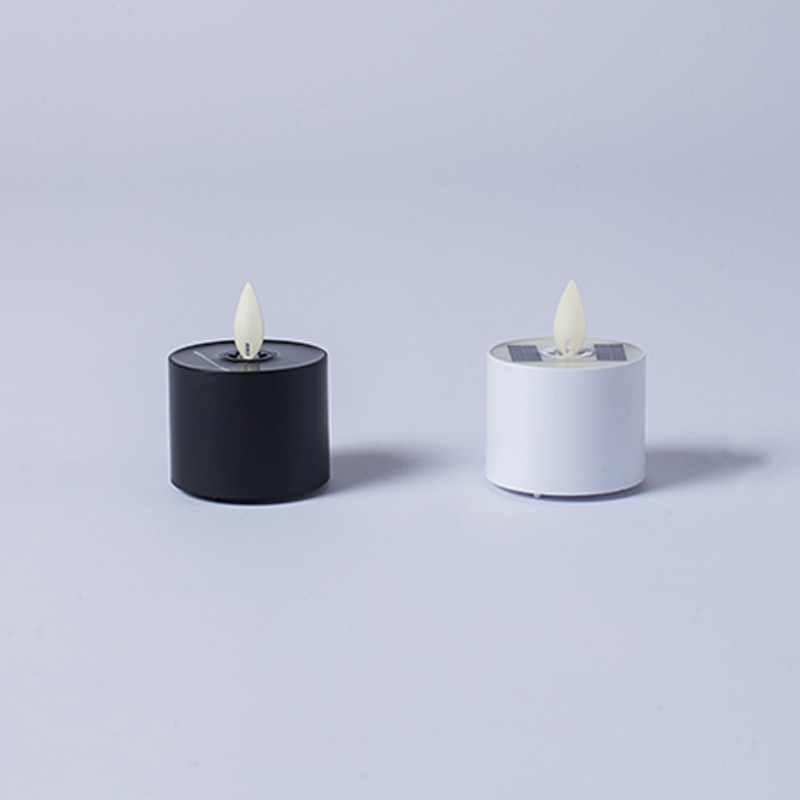
Solar powered candles are flameless, battery-free lighting devices that use small built-in solar panels to absorb sunlight during the day and store that energy in rechargeable batteries, which then power LED lights at night to mimic the warm, flickering glow of a real candle. Unlike traditional wax candles, they require no matches, no wax, and produce no open flame — making them a safer, cleaner, and far more sustainable alternative for both indoor ambiance and outdoor decoration.
The core concept is straightforward: a photovoltaic cell on the top or side of the candle converts sunlight into electricity, which charges a small NiMH or lithium-ion battery housed inside the unit. Once charged, the battery powers one or more LED elements designed to flicker irregularly, closely imitating the visual behavior of a flame. Most solar candles provide 6 to 10 hours of runtime on a full day's charge, making them well-suited for evening and overnight decorative use.
Solar candles have surged in popularity over the past decade alongside broader interest in renewable energy home products. They are commonly used in garden lanterns, pathway markers, window sills, centerpieces, and holiday displays. Because they operate completely autonomously — turning on automatically at dusk via a light sensor — they are particularly valued for low-maintenance decorative lighting.
How Do Solar Powered Candles Work?
Understanding the mechanics behind solar candles helps clarify why they perform the way they do — and why placement and sunlight exposure matter so much to their effectiveness.
The Solar Charging Process
The solar panel on a solar candle is typically small — ranging from about 2 cm² to 6 cm² — but sufficient to generate a low current charge under direct or diffuse sunlight. On a clear sunny day, the panel absorbs energy for 6 to 8 hours, fully replenishing the internal battery. On overcast days, charging still occurs but at a reduced rate, which can result in shorter illumination time at night. A cloudy day typically yields about 30–50% of the charge generated on a sunny day.
The LED Flame Simulation
Inside the candle, the LED is driven by a small microcontroller or a purpose-built flicker chip. This chip sends a varying current to the LED at irregular intervals, causing the light to brighten and dim in an unpredictable pattern — just like a real flame. Higher-end solar candles use warm white LEDs rated at around 2700K to 3000K color temperature, which closely matches the amber hue of candlelight. Some models use two or three LEDs to enhance the depth and realism of the flicker effect.
Automatic Light Sensors
Almost all solar powered candles include a photoresistor or ambient light sensor. This sensor detects the drop in ambient light at dusk and triggers the LED to turn on automatically. At dawn, when light levels rise again, the sensor shuts the LED off and resumes charging. This dusk-to-dawn functionality is a key convenience feature — users do not need to manually switch the candles on or off, and the system conserves battery by not running during daylight hours.
Types of Solar Powered Candles Available
Solar candles are not a one-size-fits-all product. The market has expanded considerably, and there are now distinct categories designed for specific use cases and aesthetics.
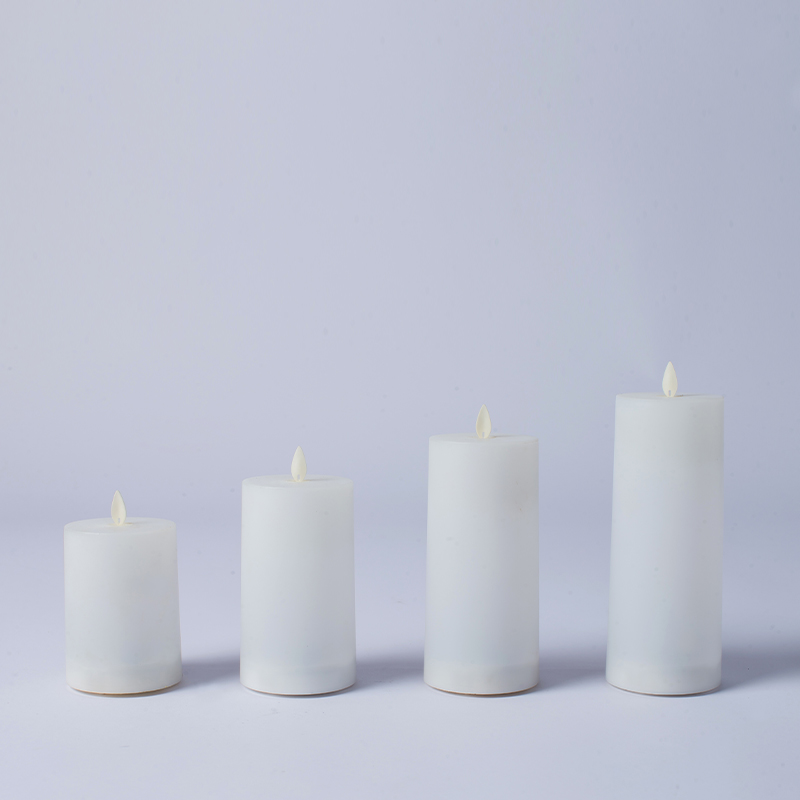
Solar Pillar Candles
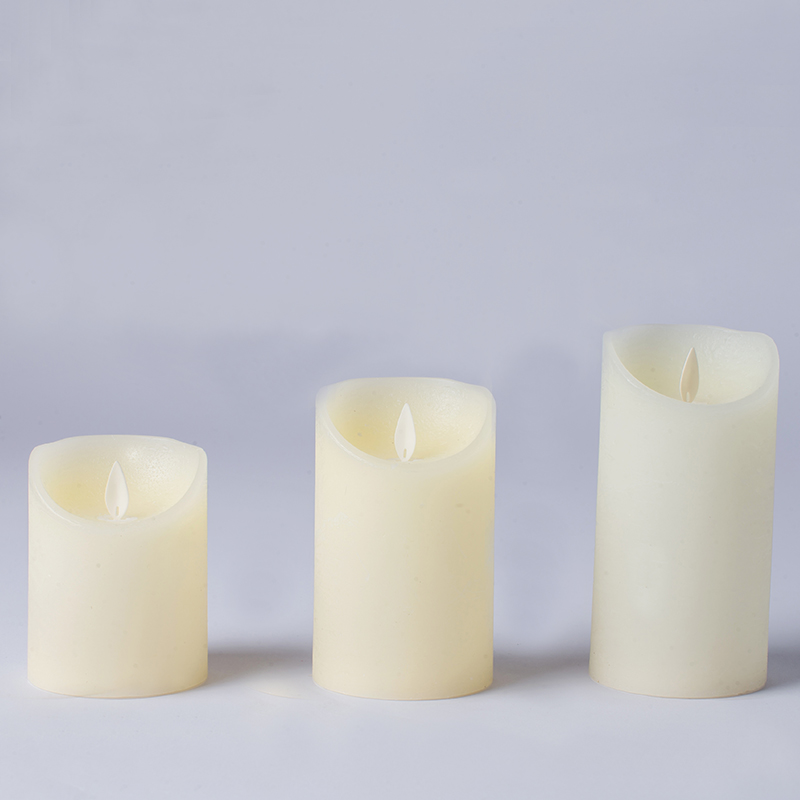
These are cylindrical units made from translucent or opaque wax-like plastic that closely resemble traditional pillar candles. They are popular for indoor window displays, dining tables, and mantelpieces. The solar panel is typically integrated into the top surface, meaning they need exposure to natural or strong artificial light during the day. Some models are designed with a clear wax finish that glows warmly from the inside, giving a very convincing candlelight appearance.
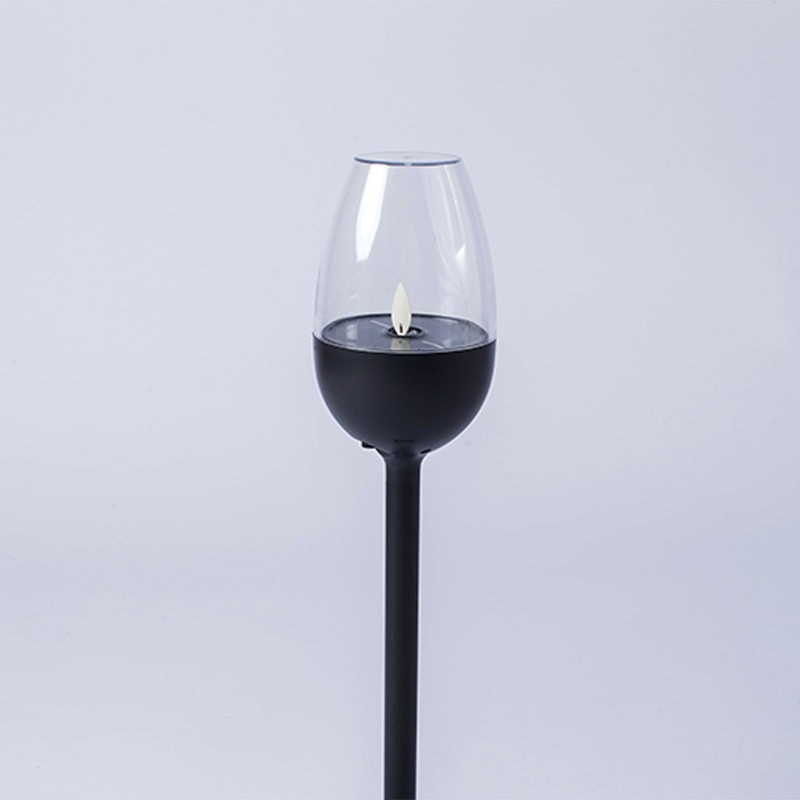
Solar Lantern Candles
These enclose a solar candle unit inside a decorative lantern frame made from metal, wood, or glass. Solar lantern candles are extremely common in garden and patio settings. The lantern housing protects the candle from wind and rain while adding a decorative element. Many solar lanterns are designed to hang from hooks, pergolas, or shepherd's crook stakes, making them versatile for outdoor decorating.
Solar Taper Candles
Designed to resemble the classic long, slim taper candle, these models are often used in candelabras and window arrangements. Because of their slender form factor, the solar panel is usually positioned at the base or along the side. They are less common than pillar or lantern styles but appeal strongly to buyers seeking a traditional candle aesthetic with modern solar functionality.
Solar Floating Candles
A more specialized product, solar floating candles are waterproof units designed to float on water in birdbaths, ponds, bowls, or swimming pools. They create a dramatic decorative effect and are particularly popular for outdoor events and garden water features. Their solar panels face upward to charge during the day while the unit sits on the water surface.
Solar Wax Drip Candles
These are designed with faux drip wax textures molded into the exterior casing to convincingly simulate a real burning candle. The level of visual detail in higher-end models is remarkably close to a genuine candle, making them appealing for decorators who want the aesthetic without any of the fire risk or mess.
Solar Candles vs. Traditional Candles vs. Battery-Operated Candles
To understand the real value of solar powered candles, it helps to compare them directly with their two closest alternatives.
| Feature | Solar Candles | Traditional Wax Candles | Battery-Operated Candles |
|---|---|---|---|
| Running Cost | Near zero (sunlight) | Recurring (buy new candles) | Low (battery replacements) |
| Fire Risk | None | High | None |
| Automation | Fully automatic (dusk/dawn) | Manual | Manual or timer |
| Outdoor Use | Excellent | Poor (wind, rain) | Moderate |
| Environmental Impact | Low | Moderate (wax, soot) | Low-moderate (battery waste) |
| Realistic Flame Effect | Good to Very Good | Perfect | Good |
| Lifespan | 1–3 years (battery) | Hours to days | Months to years |
The clearest advantage solar candles hold over battery-operated models is the elimination of battery replacement costs and the inconvenience of sourcing batteries. Over a three-year period, a household running four battery-operated candles could spend upward of $30–$50 on AA or AAA batteries, while solar candles incur zero ongoing energy cost.
Key Benefits of Solar Powered Candles
Complete Fire Safety
According to the U.S. National Fire Protection Association, candles cause an estimated 7,400 home fires per year in the United States alone, resulting in around 90 deaths and $278 million in property damage annually. Solar candles eliminate this risk entirely. They are safe around children, pets, curtains, and dry outdoor foliage — environments where open-flame candles pose a genuine hazard. This makes them an especially practical choice for households with young children or in regions with dry climates prone to fire risk.
Zero Ongoing Energy Cost
Once purchased, solar candles cost nothing to run. Sunlight is free and universally available. For consumers who use decorative candles regularly — in gardens, on patios, or in window displays — the cumulative savings over months and years are meaningful. A set of six solar garden candles that would otherwise consume four AA batteries each, three times per year, saves approximately 72 batteries over three years. At typical retail prices, that represents a saving of $18–$36 depending on brand.
Low Maintenance and Fully Autonomous
The dusk-to-dawn automation built into virtually every solar candle means users never have to remember to switch them on or off. Place them in a sun-exposed location, and they manage themselves. This is a particularly compelling feature for garden and pathway lighting, where the candles may be placed in locations that are inconvenient to access manually every day. The only real maintenance required is occasional cleaning of the solar panel surface to remove dust or debris that could reduce charging efficiency.
Weather Resistance for Outdoor Use
Most outdoor solar candles are built with IP44 or IP65 waterproof ratings, meaning they can withstand rain and splashing water without damage. Traditional candles are immediately extinguished by wind or rain and cannot be used outdoors except in extremely sheltered conditions. Solar candles thrive in outdoor environments and are designed specifically for year-round garden placement.
Environmentally Responsible Choice
Paraffin wax, used in the majority of traditional candles, is a petroleum byproduct. Burning paraffin releases trace amounts of toluene, benzene, and other compounds classified as potentially carcinogenic. Solar candles produce no emissions whatsoever during use. They also reduce disposable battery consumption compared to battery-operated flameless candles, which contributes to reducing heavy metal waste in landfills. While solar candles do eventually require battery replacement (typically every 1–2 years), their overall environmental footprint is considerably lower than either alternative.
Where Solar Powered Candles Work Best
Solar candles are highly versatile, but their performance is directly tied to the amount of sunlight they receive during the day. Understanding the right environments for their use helps maximize their effectiveness.
- Garden pathways and borders: One of the most popular applications. Solar candles in lantern housings placed along garden paths provide both safety lighting and decorative ambiance. Pathways typically receive adequate sunlight throughout the day.
- Patio and deck tables: Placed in the center of outdoor dining tables, solar candles add a warm, intimate atmosphere to evening meals without any fire risk or wind-related problems.
- Window sills (south-facing): In the Northern Hemisphere, south-facing window sills receive the most direct sunlight and are ideal for solar pillar candles that glow from the inside at night, creating an attractive display visible from outside.
- Pergolas and garden structures: Hanging solar lanterns from pergola beams or tree branches creates a magical outdoor lighting effect for evening gatherings.
- Ponds and water features: Solar floating candles are designed specifically for water surfaces, creating reflective, shimmering light effects in garden ponds and decorative bowls.
- Holiday and seasonal displays: Solar candles are increasingly used in Halloween jack-o'-lanterns, Christmas window arrangements, and other seasonal displays where they offer convenience and extended runtime without battery changes.
Solar candles perform less reliably indoors in rooms that receive limited direct natural light. In such settings, a battery-operated flameless candle may outperform a solar model during winter months or in rooms with small or north-facing windows.
What to Look for When Buying Solar Powered Candles
Not all solar candles are created equal. There is a wide range in quality, performance, and design across the market. Knowing which specifications to evaluate makes choosing the right product much easier.
Battery Capacity and Runtime
Look for products that specify their battery capacity in mAh (milliamp hours). A typical solar candle battery ranges from 300 mAh to 800 mAh. Higher mAh ratings generally translate to longer nightly runtime — ideally 8 hours or more from a full charge. Always check whether the manufacturer states expected runtime clearly, as vague claims like "all night" are a warning sign.
Solar Panel Size and Efficiency
A larger solar panel surface area means more energy collection. Budget models often use minimal panels that struggle to charge adequately during short winter days or under cloud cover. Premium models use monocrystalline solar cells, which are more efficient than polycrystalline cells in low-light conditions and provide more reliable charging year-round.
LED Quality and Flicker Realism
The quality of the flicker simulation varies significantly between products. Look for candles that specifically mention a "random flicker" or "flame simulation chip" rather than a simple steady glow or basic blink pattern. Warm white LEDs (2700K–3000K color temperature) look far more realistic than cool white LEDs. Reading customer reviews on this specific point is highly recommended before purchasing.
Weatherproofing Rating
For any outdoor application, check the IP (Ingress Protection) rating. IP44 means protected against solid objects over 1mm and splashing water from any direction. IP65 provides full dust protection and protection from low-pressure water jets. For garden use in regions with heavy rainfall, IP65 is the recommended minimum rating.
Construction Materials
Outdoor solar candles are exposed to UV radiation, temperature fluctuations, and moisture. Look for UV-stabilized plastics or powder-coated metals for the housing, as cheaper materials will crack, fade, or corrode within one or two seasons. Glass lantern enclosures are aesthetically superior but more fragile — consider whether the placement location puts them at risk of being knocked over.
Replaceable Battery Access
After 1–2 years, the rechargeable battery in any solar candle will begin to lose capacity. Choose models where the battery is user-replaceable, rather than sealed permanently into the housing. A replaceable battery extends the usable life of the product considerably and prevents the entire unit from becoming waste when only the battery has degraded.
Tips for Getting the Most Out of Solar Candles
Even well-made solar candles will underperform if placed or maintained incorrectly. These practical tips help ensure consistent performance throughout the year.
- Maximize direct sunlight exposure. Position solar candles where they receive at least 6 hours of direct sunlight daily. Avoid shaded locations under trees, eaves, or overhangs, even if the shade is partial.
- Clean the solar panel regularly. Dust, bird droppings, pollen, and grime accumulate on the panel surface and reduce charging efficiency. A quick wipe with a damp cloth every few weeks makes a measurable difference to performance.
- Store indoors during extreme winter conditions. While most solar candles are weatherproof, extreme cold (below -10°C or 14°F) degrades NiMH battery performance significantly. Bringing them indoors during the harshest winter weeks preserves battery health and overall lifespan.
- Give new units an initial full charge. Before first use, place solar candles in direct sunlight for a full day to fully charge the battery from its out-of-box state. This establishes a healthy charge cycle from the start.
- Replace batteries before they fail completely. If you notice that runtime is significantly shorter than when the candles were new, replace the internal battery proactively. Running a deeply discharged battery repeatedly accelerates further degradation.
- Use in pairs or sets for greater visual impact. A single solar candle creates a subtle effect. Grouping three or more candles of varying heights together dramatically increases the decorative impact, particularly in garden settings or on patios.
Common Questions About Solar Powered Candles
Do solar candles work in winter?
Yes, but with reduced performance. Shorter daylight hours and lower sun angles in winter mean the solar panel collects less energy than in summer. In practice, a candle that provides 8–10 hours of light in July may only provide 4–6 hours in December in temperate climates. Models with monocrystalline solar panels perform better in these conditions than those with cheaper polycrystalline cells.
Can solar candles charge indoors?
To a limited degree. Placing a solar candle on a bright, south-facing window sill allows the panel to collect diffuse light through the glass, but the charging efficiency is significantly lower than in direct outdoor sunlight. In most cases, purely indoor solar candles will not charge quickly enough to run reliably through the night unless the window receives several hours of direct sunlight per day.
How long do solar candles last?
The LED itself has an extremely long lifespan — typically 50,000 hours or more, which far exceeds the practical life of the product. The limiting factor is the rechargeable battery, which typically lasts 300–500 full charge cycles before capacity degrades noticeably. With daily use, this means roughly 1–2 years before the battery needs replacement. The housing and solar panel, if well-maintained and UV-stabilized, can last 5 years or longer.
Are solar candles bright enough to read by?
No. Solar candles are designed purely for decorative and ambiance lighting. Their LED output is intentionally low — typically 1–5 lumens — to replicate the soft glow of a candle rather than to function as task lighting. Anyone seeking functional reading or work lighting should use a dedicated solar LED lamp rather than a solar candle.
Do solar candles work in cloudy climates?
Yes, though performance will be lower than in sunny climates. Cloudy skies do not block solar charging entirely — diffuse light still reaches the panel. However, in persistently overcast regions such as Northern Europe or the Pacific Northwest of the United States, users should expect shorter runtimes and should prioritize models with larger solar panels and higher-capacity batteries to compensate for reduced charging input.
The Growing Market for Solar Decorative Lighting
Solar powered candles sit within the broader and rapidly expanding solar decorative lighting market. According to industry research, the global solar garden lights market was valued at approximately $2.1 billion in 2022 and is projected to grow at a compound annual growth rate of around 8% through 2030, driven by rising consumer interest in sustainable home products, falling solar component costs, and expanding retail distribution.
Consumer interest in eco-friendly home decor has grown substantially since 2020, with searches for solar-powered home products increasing consistently year-on-year. Retailers including Amazon, Home Depot, IKEA, and numerous specialty garden centers now carry extensive ranges of solar candles and solar lanterns, making them far more accessible to mainstream consumers than they were even five years ago.
The average retail price of a quality solar candle set has dropped by approximately 30–40% since 2018, largely due to reductions in LED and solar cell manufacturing costs. This price reduction has significantly expanded the addressable consumer base and is a key reason solar candles have moved from a niche product into a mainstream home decor category.
As solar cell efficiency continues to improve and consumer awareness of renewable energy products grows, solar candles are expected to increasingly displace both traditional wax candles and battery-operated alternatives in the decorative lighting segment — particularly for outdoor applications where their autonomous, weather-resistant performance provides the clearest advantage.