
 English
 Español
 Content
- 1 What Are Floating LED Candles and Why Do They Work So Well?
- 2 Types of Floating LED Candle Lights: Knowing What to Buy
- 3 How to Arrange Floating LED Candles for Maximum Visual Impact
- 4 Setting the Scene: Room-by-Room and Occasion-by-Occasion Ideas
- 5 How to Choose the Right LED Candle Lights: A Practical Buying Guide
- 6 Combining Floating LED Candles with Other LED Candle Lights
- 7 Maintenance, Storage, and Getting the Most from Your LED Candle Lights
- 8 Safety Benefits That Make LED Candle Lights Worth the Switch
- 9 Frequently Asked Questions About Floating LED Candles
What Are Floating LED Candles and Why Do They Work So Well?
Floating LED candles are battery-powered, waterproof lights designed to sit on the surface of water while mimicking the warm, flickering glow of a real wax candle. Unlike traditional floating candles that burn down in an hour or two and pose fire and wax-drip hazards, LED versions can run continuously for 50 to 100 hours on a single set of batteries, stay completely cool to the touch, and are safe around children, pets, and outdoor environments.
The bottom line: if you want candlelit ambiance near water — in a pool, a vase, a fishpond, a bathtub, or a decorative bowl — floating LED candles are the most practical and visually effective solution available today. They eliminate fire risk entirely while delivering a look that, at conversational distances, is nearly indistinguishable from real flame.
Most floating LED candles on the market use either a simple steady-on LED or a flickering LED that simulates the random motion of a candle flame. The flickering models are almost universally preferred for decorative purposes because that slight, irregular movement is what makes candlelight feel alive. Without it, the light reads as artificial immediately. With it, guests will walk up and double-check whether the candles are real.
Types of Floating LED Candle Lights: Knowing What to Buy
Not all floating LED candles are built the same. The category covers a surprisingly wide range of products, and choosing the wrong type for your setting leads to disappointing results. Here is a breakdown of the main varieties:
Round Disc-Style Floating LED Candles
These are the most common type. Shaped like a short cylinder or a puck, they typically measure between 1.5 inches and 3 inches in diameter. The flat bottom keeps them level on water, and the top surface diffuses the LED glow outward and upward. Round disc candles are the go-to for flower vase arrangements, decorative bowls, and spa setups. A set of three placed in a low glass bowl with floating flower heads costs under $20 and creates a centerpiece that rivals much more expensive arrangements.
Pillar-Style Floating LED Candles
Taller and narrower than disc types, pillar floaters stand upright in water with a weighted base that keeps them from tipping. They look closest to a traditional church or dinner candle. Heights commonly range from 2 to 6 inches. These work beautifully in large vases, tall cylinder glasses, or outdoor water features where vertical presence matters. For a wedding centerpiece using a 12-inch-tall cylindrical vase, a 4-inch pillar LED candle floating at center creates a focal point visible from across a reception hall.
LED Candle Lights Designed for Pools and Ponds
Pool-grade floating LED candle lights are built to a higher waterproofing standard (typically IP68, meaning they can be submerged beyond 1 meter) and are usually larger — 3 to 5 inches across — so they remain stable even in water disturbed by swimmers or wind. Many are also solar-powered, charging during the day and automatically switching on at dusk. For a pool setup, you want candles rated IP68, not just IPX4 (splash-resistant). The difference becomes obvious the first time a wave from a dive knocks a cheaper model underwater.
Remote-Controlled and Timer-Equipped LED Candles
A growing segment of the market adds remote control or built-in timer functionality. Timer models can be set to turn on at a specific hour and shut off after 4 or 8 hours — extremely useful for event setups where you cannot manually switch each candle. Remote-controlled sets allow you to turn an entire arrangement on or off from across the room, and sometimes adjust brightness. For a wedding or corporate event, this feature alone is worth the small price premium (usually $5 to $15 more per set).
Color-Changing RGB Floating LED Candles
These shift through multiple colors via remote control or a preset cycling mode. They are best suited for party and nightlife settings rather than romantic or formal atmospheres. The warm white flickering style outperforms RGB candles for most decorative applications because it reads as elegant rather than festive. Reserve color-changing models for pool parties, Halloween displays, or themed events where the color shift enhances the concept.
| Type | Best Use Case | Typical Size | Battery Life | Waterproof Rating |
|---|---|---|---|---|
| Round Disc | Vases, bowls, table decor | 1.5–3 in | 50–80 hrs | IPX4–IPX7 |
| Pillar Style | Tall vases, cylinder glasses | 2–6 in tall | 60–100 hrs | IPX5–IPX7 |
| Pool / Pond Grade | Pools, ponds, fountains | 3–5 in | Solar or 80+ hrs | IP68 |
| Remote / Timer | Events, weddings, commercial | Varies | 50–100 hrs | IPX5+ |
| RGB Color-Changing | Parties, themed events | 2–4 in | 30–60 hrs | IPX4–IPX6 |

How to Arrange Floating LED Candles for Maximum Visual Impact
Arrangement makes or breaks the effect. Dropping a few candles randomly into a bowl and calling it done produces a cluttered, unintentional look. The difference between a professionally styled setup and an afterthought almost always comes down to three factors: grouping, layering, and contrast with surrounding elements.
The Rule of Odd Numbers
In visual design, odd-numbered groupings (3, 5, 7) read as more natural and dynamic than even numbers. This applies directly to floating LED candles. A bowl with three candles will almost always look better than one with four. A pool arrangement of seven candles spread in a loose arc creates movement; eight candles in two parallel rows of four reads as institutional. When you are setting up a centerpiece, start with three candles and adjust only if the scale of the vessel genuinely requires more.
Varying Height Within Arrangements
One of the most effective tricks for table centerpieces is combining floating LED candles in water vessels with non-floating LED candle lights placed at different heights around them. For example: a tall cylinder vase (12 inches) with one floating pillar LED at the center, flanked by two shorter hurricane lanterns holding 4-inch LED pillar candles on the table surface, and one or two small tea-light LED candles in glass cups at ground level. This tiered approach creates a visual hierarchy that draws the eye from low to high and back again, making the whole arrangement feel designed rather than assembled.
Using Flower Petals, Stones, and Greenery as Supporting Elements
A floating LED candle in plain water looks unfinished. Surrounding elements bring the arrangement to life. Popular pairings include:
- Rose petals or orchid blooms floating alongside the candles — white petals with warm-white LED candles create a spa aesthetic; deep red petals with the same candles shift the mood toward romance.
- River stones or glass pebbles at the bottom of the bowl — these add visual weight and depth, making the bowl look intentional rather than simply filled with water.
- Submerged greenery — sprigs of eucalyptus or simple aquatic plants below the water line add color contrast visible through the glass.
- Floating leaves — large tropical leaves like monstera or lotus pads give floating candles a natural platform and create interesting negative space between light sources.
The most important principle here is restraint. Fill the vessel no more than two-thirds of its surface area with candles and botanicals, leaving open water visible. The reflection of the candlelight on the open water surface is one of the most beautiful effects floating LED candles produce, and it disappears if the bowl is overcrowded.
Spacing and Clustering for Pool Arrangements
For pool and large water surface setups, resist the urge to spread candles evenly across the entire surface. Clusters of three to five candles grouped together, with open dark water between clusters, create far more visual drama than a uniform scatter. The dark water between clusters allows the candlelight to reflect without competition, and the contrast between lit clusters and dark gaps creates depth. A practical starting point for a standard 12-by-24-foot pool: three clusters of five candles each, positioned at the two shallow-end corners and the center of the deep end. This anchors the space without overwhelming it.
Setting the Scene: Room-by-Room and Occasion-by-Occasion Ideas
The versatility of LED candle lights is one of their greatest selling points. The same product can transform completely depending on the context it is placed in. Here are specific applications with practical setup notes for each.
Dining Table Centerpieces
For a dinner party centerpiece, place a wide, low glass bowl (10 to 14 inches in diameter) at the center of the table. Fill it with 4 to 5 inches of water, add glass pebbles or river stones to the bottom, float three warm-white flickering LED disc candles, and scatter a handful of flower petals around them. Keep the arrangement low — nothing above 6 inches — so guests can make eye contact across the table. Supplement with two LED taper candles in classic holders flanking the bowl for vertical interest. The entire setup costs under $40 using readily available materials and produces a result that looks catered.
Bathroom and Spa Setups
Floating LED candles are particularly at home in bathroom settings precisely because the fire risk of real candles near a bathtub is real and underappreciated. Place three floating candles directly in the bath with you — they are safe, they will not melt, and they will not drop hot wax. Supplement with LED tealights on the rim of the tub, window sills, or floating on a bamboo tray across the bath. Add Epsom salts and a few rose petals to the water for a spa effect that photographs beautifully for those who care about that. The candles will survive the entire 45-minute soak without dimming or shifting.
Wedding Reception Tables
Floating LED candle lights have become a staple at weddings because they solve a real problem: venue fire codes. Many reception venues prohibit open flames entirely, and floating wax candles create cleanup nightmares with wax residue in rental vessels. LED alternatives solve both issues. For a wedding reception, consider tall cylinder vases (10 to 14 inches) with a single floating pillar LED candle inside, surrounded by submerged floral stems and a few floating petals at the surface. Multiply this across every table and the cumulative effect is striking — especially when all candles are on a timer set to activate at dusk. Studies from event planning firms suggest that candlelit centerpieces are cited by guests as a top-three favorite detail in post-event surveys, making this investment consistently worthwhile.
Outdoor Garden Parties and Patios
Wind is the enemy of real outdoor candles. Even a light breeze extinguishes them within minutes, making outdoor candlelit entertaining with real candles a constant management task. Floating LED candle lights placed in sheltered outdoor bowls or water features eliminate this issue completely. For a patio setup, use wide terracotta saucers or decorative stone bowls filled with water as candle vessels — these blend naturally into a garden aesthetic. Add water hyacinth or other floating aquatic plants around the candles for a pond-like effect that looks entirely intentional. Solar-powered floating candles are particularly well-suited to garden use since they require no battery management at all.
Pool and Hot Tub Ambiance
A pool at night with a dozen floating LED candles scattered across the surface is one of the most visually dramatic uses of this product. The water acts as a mirror, doubling each light, while the movement of the water creates a flickering effect on the pool floor and walls that no static light source can replicate. For hot tubs, choose candles specifically rated for warm water — some adhesives and materials used in cheaper models degrade more quickly in heated water above 35°C (95°F). IP68-rated pool candles handle hot tub temperatures without issue. Place five to seven candles in the water and several LED jar candles or lanterns on the surrounding deck at seated eye level for a complete atmospheric effect.
How to Choose the Right LED Candle Lights: A Practical Buying Guide
The market for LED candle lights is crowded and ranges from excellent to nearly useless. Knowing what specifications actually matter will save you money and frustration.
Flame Realism: The Single Most Important Factor
The flickering quality varies enormously between products. The best LED candle lights use a two-LED system where one LED provides base illumination and a second, separately controlled LED flickers at an irregular interval that mimics organic flame movement. Cheaper models use a single LED on a fixed oscillation timer that produces a mechanical, rhythmic pulse that looks nothing like a candle. You can usually identify quality flickering from product videos — watch for two to three seconds: does the light change in both speed and intensity unpredictably? If yes, it is a quality flicker. If you see a steady on-off pulse at consistent intervals, skip it.
Color Temperature
Real candle flames burn at approximately 1,800K to 2,000K — a very warm, amber-toned light. For decorative and atmospheric use, look for LED candles rated at 2,200K to 2,700K (labeled "warm white"). Anything rated 3,000K or above will appear noticeably cooler and more artificial. Some premium models hit 1,800K accurately and are worth seeking out for the most realistic result. Avoid "neutral white" or "daylight" LED candles for atmospheric decoration — they produce an unflattering, clinical light that defeats the purpose entirely.
Battery Type and Runtime
Most floating LED candles run on CR2032 coin cell batteries or AAA batteries. CR2032-powered models are usually smaller and slimmer, while AAA models tend to have longer runtime. For a one-time event lasting up to eight hours, CR2032 models are fine. For repeated use or events where you cannot conveniently check batteries, AAA models with their longer runtime (often 80 to 150 hours) are a smarter purchase. Rechargeable USB-charging models are also available at a price premium; these pay for themselves after six to eight battery replacements and are the most economical choice for frequent use.
Material and Wax Coating
High-quality floating LED candles are coated in real paraffin or soy wax over a plastic core. This wax coating gives them the soft, irregular texture of a real candle and allows light to diffuse through the surface in a natural way. All-plastic models with no wax coating look flat and obviously artificial in direct light. Real wax also makes the candle feel convincing to the touch — an important factor at events where guests may pick them up or examine them closely. Confirm wax coating before purchasing; better retailers will specify this in product descriptions.
Waterproofing Standards Explained
The IP (Ingress Protection) rating system tells you exactly how waterproof a device is:
- IPX4: Protected against water splashing from any direction. Fine for a bathroom shelf, not suitable for submersion.
- IPX5: Protected against water jets. Still not submersion-safe.
- IPX7: Can be submerged up to 1 meter for 30 minutes. Suitable for most floating applications.
- IP68: Can be submerged beyond 1 meter continuously. Required for pools, ponds, and hot tubs.
Many products marketed as "waterproof" or "floating" without a stated IP rating are only IPX4. They will work briefly on calm water surfaces but will fail quickly if submerged even momentarily. Always verify the IP rating for any application involving actual submersion risk.

Combining Floating LED Candles with Other LED Candle Lights
The most compelling lighting setups do not rely on floating candles alone. They integrate floating LED candles with several other types of LED candle lights to create layered, room-filling ambiance. Think of it as layering light at multiple heights and distances, much the way a professional lighting designer would approach a theatrical set.
LED Taper Candles for Vertical Accent
LED taper candles placed in traditional candlestick holders provide vertical lines of light that floating candles cannot. They draw the eye upward, adding architectural height to a tablescape or mantel display. Pairing a 10-inch LED taper in a silver holder with a wide bowl of floating LED candles creates a composition that has both intimacy (the low floating light) and drama (the tall taper). Match the color temperature as closely as possible between your taper and floating models — a mismatch of more than 300K will look obviously mismatched.
LED Pillar Candles for Mass and Weight
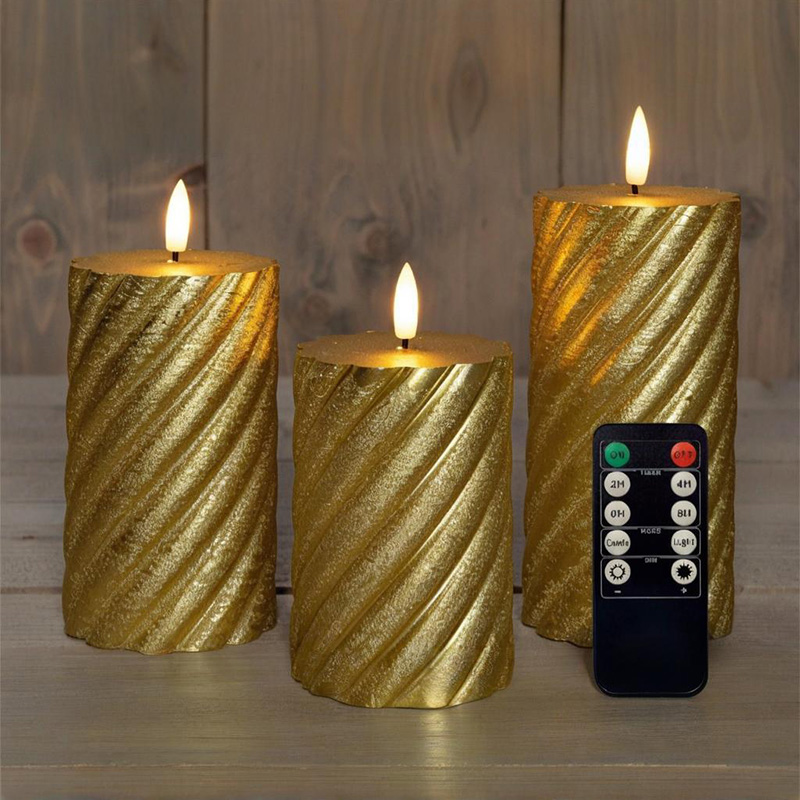
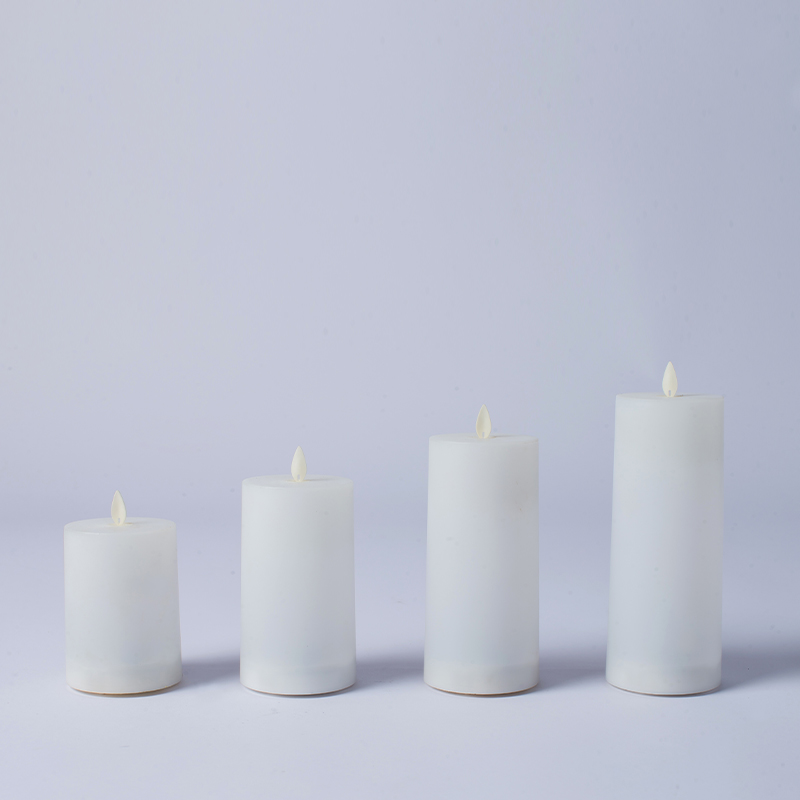
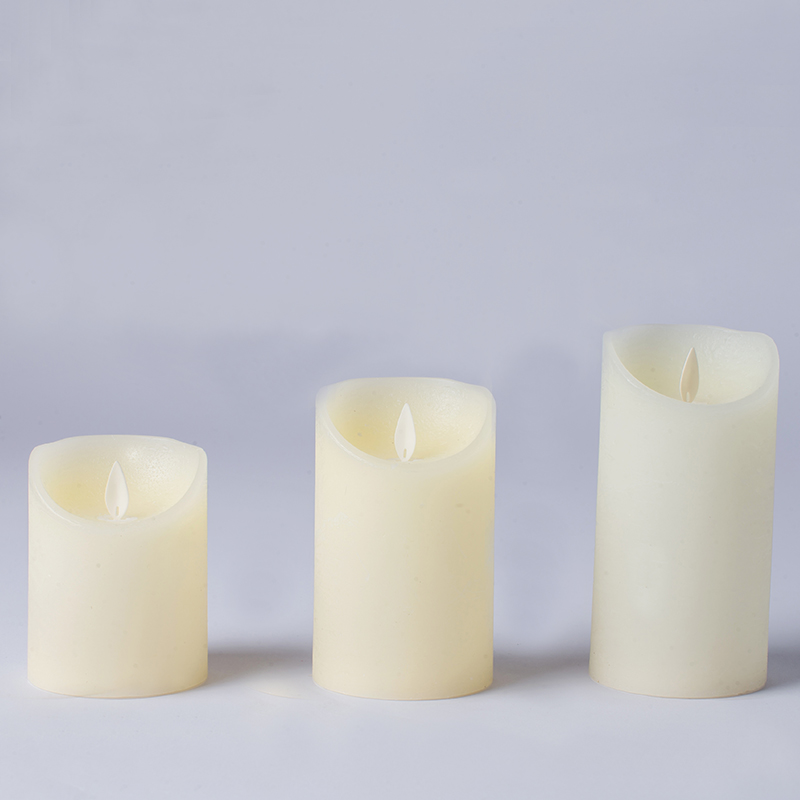
LED pillar candles (non-floating, placed on a surface) add visual mass to an arrangement. A group of three LED pillars in varying heights — 3 inches, 5 inches, and 8 inches — clustered on a wooden tray with a few stones and a sprig of greenery creates a warm, organic vignette. Add a single floating bowl arrangement nearby and you have a layered lighting moment that functions as a room's primary decorative focal point. This combination works particularly well on fireplace mantels, buffet tables, and entry console tables.
LED Tea Lights as Fillers and Ground-Level Accents
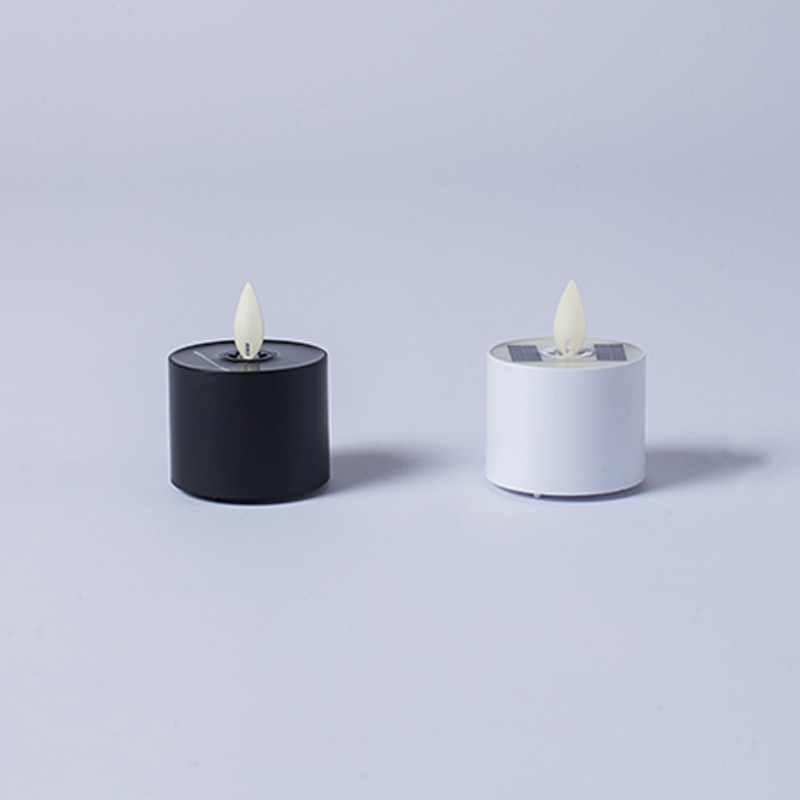
Battery-powered LED tea lights are the workhorses of ambient lighting. At around $10 to $15 for a set of 12 to 24, they are cheap enough to deploy in large numbers. Use them inside paper luminaries along a walkway, inside glass jars scattered on the ground around an outdoor seating area, or inside small glass votives clustered at the base of larger centerpieces. The key is quantity — 20 LED tealights distributed around a space create significantly more atmospheric warmth than 5 larger candles. They function as ambient fill light while floating and pillar candles serve as focal points.
Lanterns with LED Candle Inserts
Hanging or floor-standing lanterns with LED pillar candle inserts provide a contained, directional light source that is particularly effective outdoors. A row of three iron lanterns on a patio railing, each holding a flickering LED pillar candle, creates the look of old-world outdoor dining without the fire risk. Pairing these with floating candles in a nearby water feature connects the light sources visually and creates a cohesive outdoor lighting scheme.
Maintenance, Storage, and Getting the Most from Your LED Candle Lights
LED candle lights are low-maintenance compared to real candles, but a little attention to care and storage significantly extends their life and keeps them looking their best.
After Use: Drying and Storage
After floating use, remove the candles from water and pat them dry before storing. Even on waterproof-rated models, extended storage with trapped moisture can cause battery compartment corrosion over time. Store candles in a cool, dry location — excessive heat (above 40°C / 104°F) can warp wax coatings, and freezing temperatures can crack certain wax formulations. A fabric-lined box or original packaging keeps wax coatings from collecting dust and scratching against other hard objects.
Battery Management
Remove batteries from LED candle lights that will be stored for more than two months. Batteries left in devices for extended periods can leak, causing irreparable damage to battery contacts. This is the most common cause of failure in LED candles that are used seasonally. Label the battery size on a sticker attached to each candle during storage so you do not have to hunt for the right replacement size at the next use.
Restoring Wax Surface Appearance
Over time, the wax coating on LED candles can accumulate fingerprints, water marks, or light scratches. A very light buffing with a soft dry cloth restores the surface. For more significant dulling, a thin, even coat of neutral shoe wax (the kind used for white or unfinished leather) applied with a soft cloth and buffed off will restore the wax surface to near-new condition. Do not use cleaning sprays or alcohol-based products on wax-coated candles — these dissolve the wax coating.
Troubleshooting Common Issues
- Candle sinks or tilts: The buoyancy is usually calibrated for fresh water. Saltwater (higher density) will float them more, while distilled water with additives like Epsom salts may behave differently. If tilting occurs, try repositioning or check if the battery compartment has taken on water.
- Flicker stops or becomes very slow: This typically indicates a dying battery rather than a product fault. Replace the battery before assuming the candle has failed.
- Candle light appears yellow-orange rather than warm-white: This is normal for very high-quality realistic LEDs and is actually desirable — it matches real candlelight. If the color looks excessively orange even at full battery, the LED may be at the end of its life.
- Water has entered the battery compartment: Dry immediately, leave the compartment open in a warm spot for 24 hours, and test with fresh batteries. If corrosion is visible, use a cotton swab dipped in white vinegar to remove it before reinserting batteries.

Safety Benefits That Make LED Candle Lights Worth the Switch
Beyond aesthetics, there is a compelling practical case for choosing LED candle lights over real candles in most home and event settings. The safety record of real candles is genuinely poor. According to the National Fire Protection Association (NFPA), candles cause approximately 8,700 home fires per year in the United States alone, resulting in around 80 deaths and $291 million in property damage annually. The peak risk periods are the December holiday season and Valentine's Day — exactly the occasions when decorative candle use is highest.
LED candle lights produce no open flame, no heat, and no combustible wax. A knocked-over LED candle in a vase of water does nothing. A knocked-over real candle in a vase of water is still a fire risk if the wick is above water level. In homes with children under five or pets — who are responsible for a disproportionate number of candle-related fire incidents — the switch to LED candles is a straightforward risk reduction measure.
LED candles also eliminate indoor air quality concerns. Real candles, particularly paraffin-based ones, release particulate matter and volatile organic compounds when burning. In enclosed spaces over several hours, this affects air quality measurably — an issue for those with asthma or respiratory sensitivities. LED candle lights produce zero emissions and are completely inert in terms of indoor air quality.
From an environmental standpoint, a single set of battery-powered LED candles used 50 times replaces 50 wax candles — eliminating the paraffin consumption, the carbon from burning, and the disposal of burned wax and wicks across those 50 uses.
Frequently Asked Questions About Floating LED Candles
Can you leave floating LED candles in water permanently?
Not recommended. Even IP68-rated candles are designed for intermittent use rather than permanent submersion. Extended water exposure can eventually degrade seals around the battery compartment and cause mineral deposits from tap water to accumulate on the wax surface. For a decorative pond or water feature, consider solar-powered floating LED lights specifically designed for permanent outdoor water installation rather than floating candles designed for event use.
Do floating LED candles work in chlorinated pool water?
Yes, for the LED and waterproofing components. However, chlorinated water can bleach or degrade wax coatings over time. After use in a chlorinated pool, rinse candles thoroughly in fresh water and allow them to dry completely before storing. With this care, good-quality floating candles will survive dozens of pool uses before showing significant wax surface degradation.
How many floating LED candles do I need for my setup?
For a standard dining table centerpiece bowl: 3 to 5 candles. For a rectangular 6-foot banquet table with a runner of small vases: 2 to 3 candles per vase, with vases spaced 18 to 24 inches apart. For a standard 12 x 24-foot residential pool: 12 to 20 candles for a full effect. For a bathtub soak: 3 to 5 candles in the water plus 4 to 6 tealights on the surround. For a mantelpiece or sideboard display: 3 to 7 candles in a large bowl as a focal piece, supplemented by 2 to 4 non-floating LED candles in holders around it.
Are there floating LED candles that look realistic enough for close-up photography?
Yes, but you need to be selective. Look for models with genuine wax coating (not bare plastic), a dual-LED flickering system, and a color temperature of 2,200K or lower. Premium brands often market their candles specifically for wedding and event photography. In still photography — particularly with a slight exposure push — these candles are photographically indistinguishable from real candles in most cases. Video is slightly more revealing because camera sensors pick up the LED's flickering frequency differently than the human eye, but at 24fps or higher the effect reads as natural.