
 English
 Español
 Content
- 1 What Are LED Candles with Timer?
- 2 How the Timer Mechanism Actually Works
- 3 Common Timer Settings and What They Mean for Daily Use
- 4 Why People Choose Flameless Candles with Timer Over Real Candles
- 5 Key Features to Look for When Buying LED Candles with Timer
- 6 Where LED Candles with Timer Are Most Commonly Used
- 7 Realistic Expectations: What LED Candles with Timer Cannot Do
- 8 How to Set Up and Use LED Candles with Timer Correctly
- 9 Comparing Popular Types of LED Candles with Timer on the Market
- 10 Frequently Asked Questions About LED Candles with Timer
What Are LED Candles with Timer?
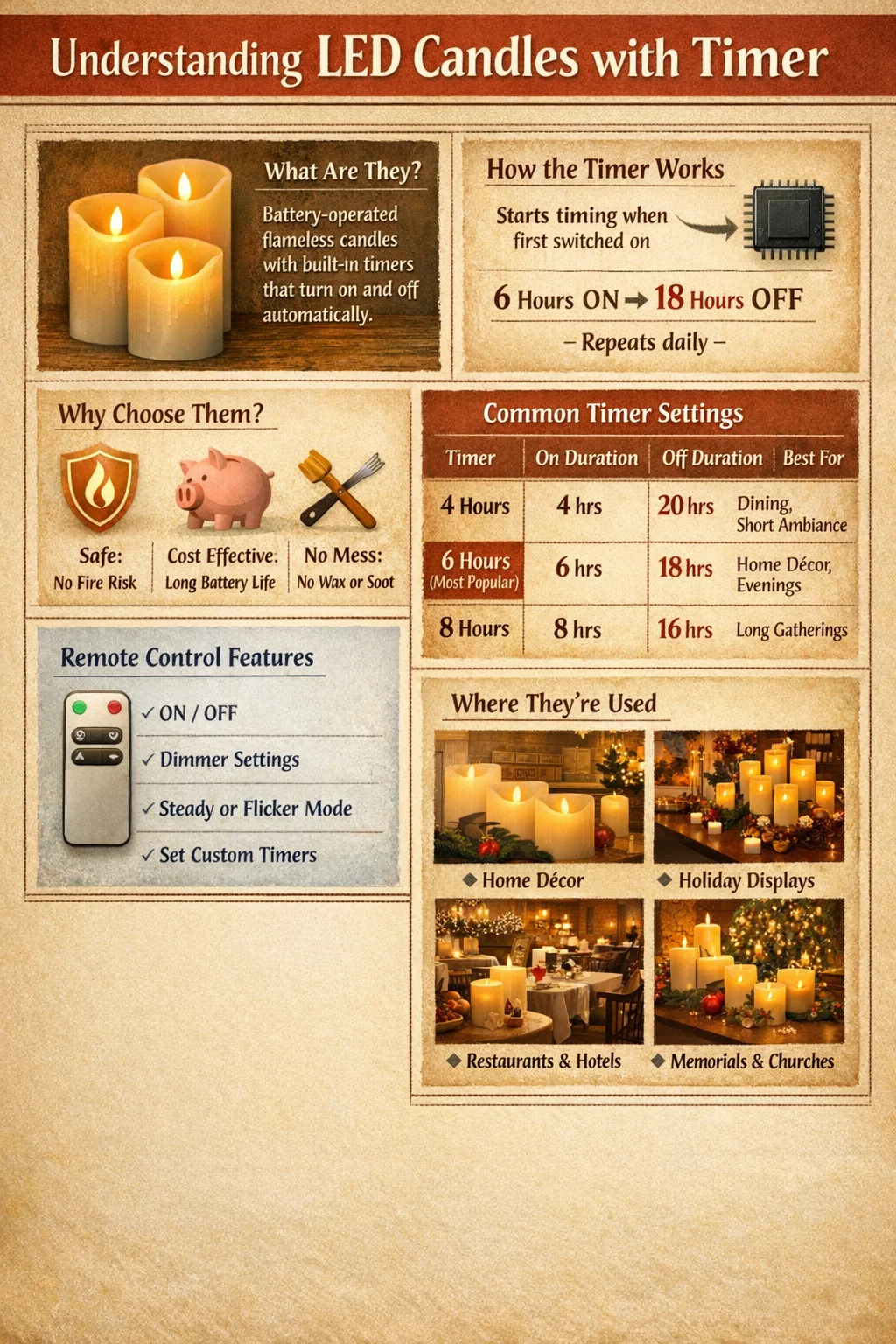
LED candles with timer are battery-powered flameless candles that use light-emitting diode (LED) technology to mimic the warm, flickering glow of a real wax candle — and they come equipped with a built-in countdown timer that automatically turns the candle on and off at preset intervals. In plain terms, you set the timer once, and the candle manages its own on/off schedule every single day without you touching it again.
The most common timer configuration found on the market today is the 6-hour on / 18-hour off cycle. You switch the candle on at, say, 6 PM, and it glows until midnight, then shuts off automatically. The next evening at 6 PM it turns itself back on. This repeating 24-hour rhythm means you never have to remember to blow out a candle or worry about leaving a flame unattended.
Beyond safety and convenience, LED candles with timers are designed to look realistic. High-quality models use soft amber LEDs paired with translucent wax or wax-like shells, sometimes even with a subtle flicker algorithm programmed into the chip to replicate natural flame movement. From a few feet away, many people genuinely cannot tell the difference between a well-made LED candle and a real one.
How the Timer Mechanism Actually Works
The timer inside an LED candle is a small microcontroller chip embedded in the base or body of the candle alongside the LED and the battery compartment. When you first switch the candle on, the chip registers that exact moment as the "start point" and begins counting. After the programmed active period — typically 4, 6, or 8 hours depending on the model — the chip cuts power to the LED, and the candle goes dark.
What makes these timers genuinely useful is the memory function. The chip remembers the time you first activated the candle and uses that as the anchor for every subsequent on/off cycle. So the candle effectively learns your preferred lighting time and repeats it daily with no input from you. This is fundamentally different from a simple on/off switch or a basic dimmable LED — it is a programmable lighting schedule stored in hardware.
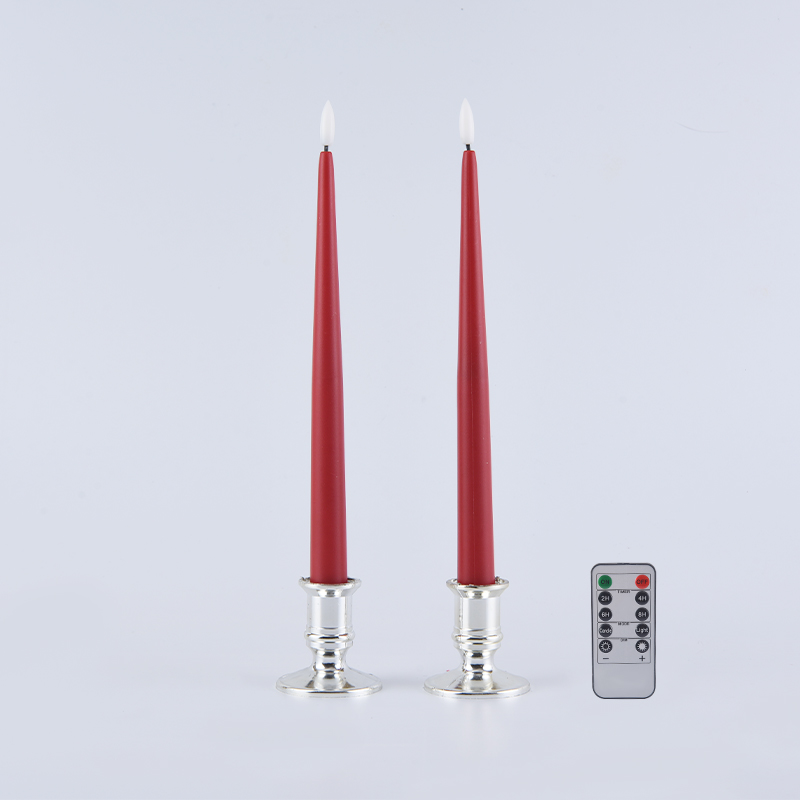
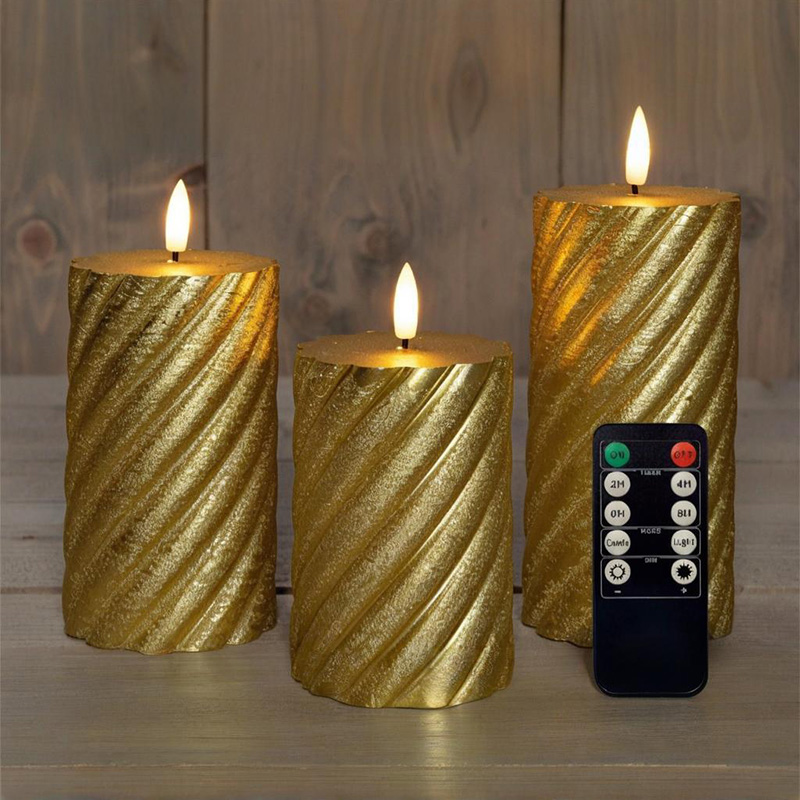
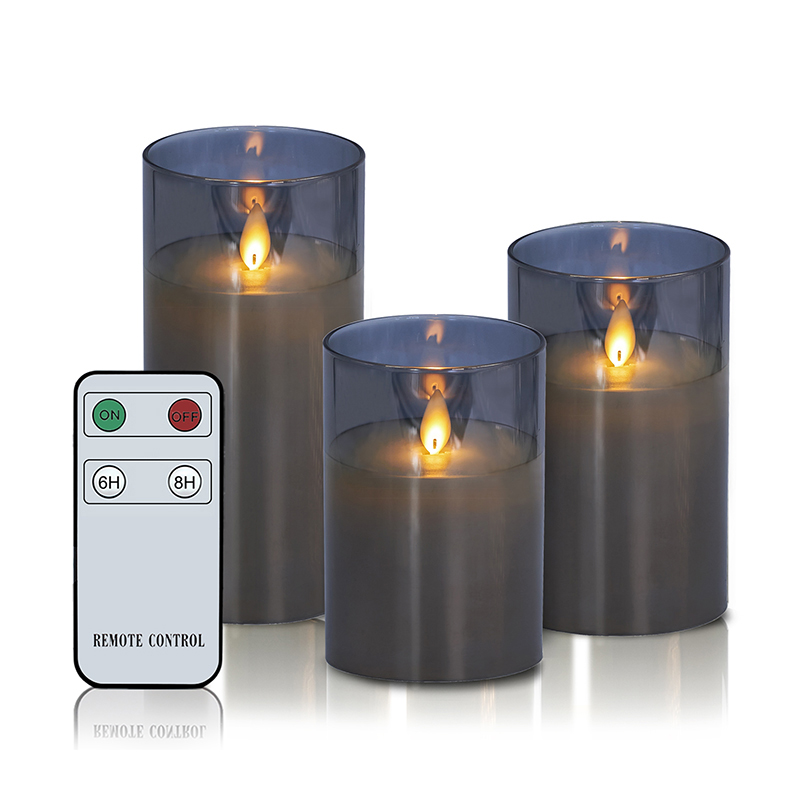
Some premium LED candle sets also come with a remote control, which adds another layer of timer flexibility. With a remote, you can typically:
- Switch individual candles or entire sets on and off simultaneously
- Adjust brightness levels (often between 25% and 100%)
- Toggle between steady glow and flickering mode
- Set custom timer durations beyond the factory default
- Operate candles from up to 10 meters (approximately 33 feet) away
Remote-controlled models are especially practical for candles placed in hard-to-reach spots — inside a tall lantern, on a high shelf, inside a glass hurricane vase, or clustered in a decorative arrangement where reaching each one individually would disturb the display.
Common Timer Settings and What They Mean for Daily Use
Not all LED candles with timers use the same interval. The three most widely sold configurations are 4-hour, 6-hour, and 8-hour timers. Each suits a slightly different lifestyle. Here is a straightforward comparison:
| Timer Setting | On Duration | Off Duration | Best Suited For | Approx. Battery Life (AA) |
|---|---|---|---|---|
| 4-Hour Timer | 4 hours | 20 hours | Short evening ambiance, dining | Up to 500 hours |
| 6-Hour Timer | 6 hours | 18 hours | General home décor, living rooms | Up to 360 hours |
| 8-Hour Timer | 8 hours | 16 hours | Seasonal displays, longer gatherings | Up to 270 hours |
The 6-hour timer is by far the most popular because it aligns naturally with typical evening routines — most people are active in their homes from late afternoon until around midnight. The 8-hour version suits households that entertain frequently or want candles burning from mid-afternoon through the entire evening. The 4-hour model is excellent for energy conservation and for placement at dining tables where you want atmosphere during and just after a meal.
Battery life estimates above assume standard alkaline AA batteries and a candle running on its full timer cycle daily. Using lithium batteries can extend runtime by 30–40% compared to alkaline cells, which is worth considering for candles in hard-to-access locations where battery swaps are inconvenient.
Why People Choose Flameless Candles with Timer Over Real Candles
The reasons people make the switch from traditional wax candles to flameless LED versions with timers go well beyond novelty. There are real, measurable advantages across safety, cost, convenience, and versatility.
Safety: No Flame, No Risk
According to the U.S. National Fire Protection Association (NFPA), candles cause approximately 7,400 home fires per year in the United States alone, resulting in an estimated 90 deaths, 670 injuries, and $291 million in property damage annually. The majority of these fires start when a candle is left unattended or placed too close to flammable materials. LED candles with timers eliminate this risk entirely — there is no flame, no heat buildup, and the automatic shutoff means they cannot be accidentally left on overnight or when you leave the house.
This makes them particularly valuable in households with young children, elderly residents, or pets. They are also the only practical candle option for spaces like college dormitories, hospitals, care homes, and certain rental properties where open flames are prohibited by fire codes.
Long-Term Cost Savings
A quality pillar candle used for 6 hours per day burns down in roughly 40–60 hours of use, meaning it lasts fewer than 10 days at typical usage. At an average retail price of $8–$15 per decorative pillar candle, the ongoing replacement cost adds up quickly. A comparable LED candle with timer costs between $10 and $30 upfront but, powered by a standard set of AA batteries costing around $1–$2, it runs for 300 to 500 hours before needing a battery change. Over a full year of daily use, the LED version costs a fraction of what you would spend on replacement wax candles.
Zero Maintenance and No Mess
Real candles drip wax onto surfaces, leave soot on walls and ceilings over time, and require regular wick trimming to burn cleanly. LED candles need none of this. They do not produce soot, smoke, or airborne particulates that can affect indoor air quality. For people with asthma, allergies, or respiratory sensitivities, this alone makes flameless options the clear choice. They also do not produce any noticeable heat, which matters during summer months or in small enclosed spaces.
Outdoor and Weather-Resistant Use
Many LED candles with timer are rated for outdoor use and built to resist moisture and wind — two things that immediately extinguish real candles. Waterproof or water-resistant LED candles can be placed on covered patios, in outdoor lanterns, along garden pathways, or inside pumpkins and floral arrangements without any concern about the flame going out or becoming a fire hazard when leaves or dry grass are nearby.
Key Features to Look for When Buying LED Candles with Timer
The market for battery operated candles with timer has expanded significantly over the past decade, and product quality varies widely. Knowing which specifications actually matter will save you from buying something that looks good in a product photo but disappoints in person.
Flicker Quality and Light Color
The best LED candles use a warm white or amber LED rated between 2700K and 3000K color temperature — this falls in the same range as incandescent bulbs and natural candlelight, which sits around 1800K–2000K. Avoid candles with cool white or blue-tinted LEDs; they look artificial and clinical rather than warm and inviting. The flicker algorithm matters too — cheap models cycle at a fixed, mechanical rate that looks robotic, while premium ones use a randomized flicker pattern that more closely mimics the unpredictable movement of an actual flame.
Wax Material and Texture
Look for candles made with real paraffin or unscented wax shells rather than hard plastic. Wax construction gives the candle a realistic translucency that allows light to glow through the body of the candle rather than just projecting from a plastic top — this creates a much more convincing candlelight effect. Some high-end models also have drip marks molded into the wax surface for added realism.
Timer Flexibility and Remote Compatibility
If you plan to use multiple candles together — across a mantelpiece, a dining table, or a window display — choose a set that includes a remote control capable of syncing all units simultaneously. Controlling a dozen individual candles by hand each evening defeats the purpose of having a timer. A good remote should support at minimum:
- Group on/off for all paired candles
- Brightness dimming in multiple steps
- Timer activation via remote (not just the switch on the candle base)
- Flicker mode toggle
Battery Type and Compartment Design
Most standard-size LED pillar candles with timer run on two or three AA batteries. Smaller votive or taper versions may use AAA or CR2032 coin cell batteries. Check that the battery compartment is easy to access — ideally with a sliding tray on the base rather than a compartment that requires a screwdriver. This matters more than it sounds when you are managing a collection of candles and replacing batteries across multiple units at once.
Size and Shape Variety
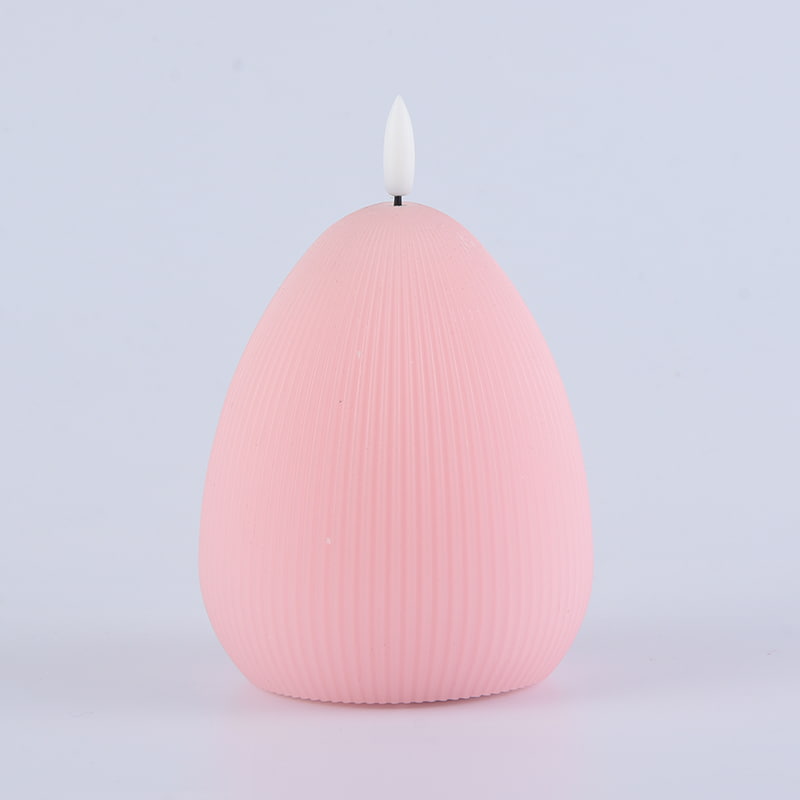
LED candles with timer come in virtually every traditional candle format. Common sizes and their typical uses include:
- Votive candles (roughly 1.5–2 inches tall): Ideal for small holders, table centerpieces, and clustered arrangements
- Pillar candles (3–9 inches tall, 2–4 inches diameter): The most versatile format for shelves, mantels, and lanterns
- Taper candles (10–12 inches tall): Slim, elegant options for candelabras and formal table settings
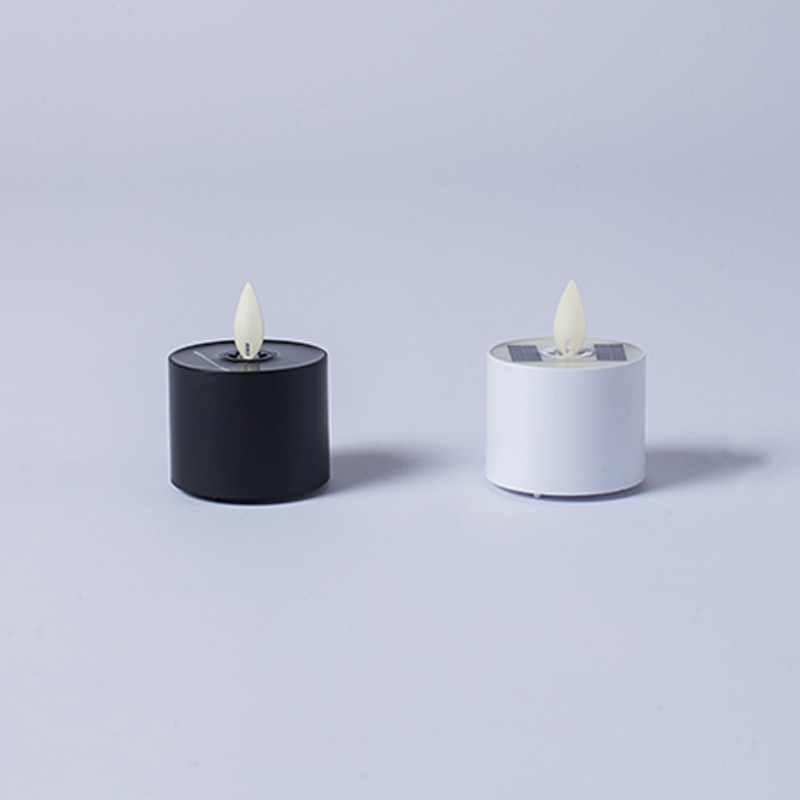
- Tealight candles (standard tealight dimensions): Perfect for holders, lanterns, and decorative trays
- Jar candles: LED inserts designed to sit inside glass jars or vessels, mimicking the look of a container candle
Where LED Candles with Timer Are Most Commonly Used
The flexibility of timer candles means they fit naturally into a wide range of settings, both residential and commercial. Understanding where they shine brightest helps clarify whether they suit your specific situation.
Home Décor and Everyday Ambiance
Living rooms, bedrooms, bathrooms, and dining spaces are the most common placement areas. Many homeowners place sets of three or five pillar candles with timers along a fireplace mantel, setting them to turn on at dusk and off at midnight. Others use taper candles in formal dining rooms that activate only for dinner hours. The automated schedule removes any thought from the process — the ambiance simply appears when you want it.
Holiday and Seasonal Displays
LED candles with timer are enormously popular for Christmas window arrangements, Advent displays, Halloween decorations, and Thanksgiving centerpieces. During the Christmas season in particular, window candles with timers are a staple — many households line every window with a single electric candle set to turn on at dusk automatically. Because they do not get hot, they can be placed directly against window glass, inside dried floral wreaths, or within paper luminaries without any fire hazard.
Hospitality and Commercial Settings
Restaurants, hotels, spas, and bed-and-breakfast properties have adopted LED candles extensively. In restaurant settings, the timer function means front-of-house staff do not need to manually light and extinguish dozens of table candles each service — the candles activate and deactivate on their own schedule. Hotels use them in lobbies, guest rooms, and event spaces to maintain a consistent ambiance without fire risk or the labor cost of candle maintenance. Many vacation rental properties use them as well, since they allow owners to create a welcoming atmosphere that does not require guest interaction to manage safely.
Religious and Memorial Spaces
Churches, temples, and memorial sites increasingly use LED votive candles with timer as alternatives to traditional prayer candles or memorial flames. They offer the symbolic visual of a lit candle while eliminating the fire hazard of an unattended open flame in a public building. Cemeteries and memorial gardens use outdoor-rated LED candles on grave markers and memorial plaques, particularly during All Saints' Day, Día de los Muertos, and similar observances.
Vacant Properties and Security Staging
Real estate agents and vacation property managers use LED candles with timer in vacant or unoccupied properties to create the appearance of occupancy — lit windows at night make a property look lived in, which is a common deterrence strategy against burglary. Because there is no flame and no heat, the candles can operate safely in an empty property without any supervision.
Realistic Expectations: What LED Candles with Timer Cannot Do
Being clear about limitations is just as important as highlighting benefits. LED candles with timer do certain things exceptionally well, but they are not a perfect substitute for every candle application.
- No scent: Standard LED candles produce no fragrance. If scented ambiance is a priority, you would need to pair them with a separate reed diffuser, wax warmer, or room spray. Some novelty LED candles claim a light scent, but this fades quickly and is minimal at best.
- Not identical to real candlelight: Even the best flickering LED candle does not perfectly replicate the organic, three-dimensional movement of a real flame. Up close and in a quiet room, the LED nature is apparent to most observers.
- Battery dependency: Unlike a wax candle that requires only a match, LED candles depend on batteries. If batteries run out at an inconvenient time, the candle is non-functional until replaced. Keeping spare batteries on hand is a basic maintenance requirement.
- Limited heat output: Some people enjoy the gentle warmth of a real candle in a room. LED candles produce virtually no heat, so they offer no thermal comfort — a minor point for most uses but worth noting.
- Fixed timer on many basic models: Entry-level LED candles with timer offer only one preset interval (typically 6 hours) with no way to change it without purchasing a different product. If you want flexible timer control, you need to buy a model with a remote or adjustable timer settings.
How to Set Up and Use LED Candles with Timer Correctly
Setting up a timer candle for the first time is straightforward, but a few practical steps ensure you get the best performance from the product.
- Install fresh batteries first. Starting with a full charge ensures the timer chip initializes correctly and your battery life estimates are accurate. Using partially depleted batteries from the start throws off the timer's memory cycle on some models.
- Switch on at your desired daily start time. The moment you flip the switch is when the candle anchors its timer. If you want the candle to come on every evening at 7 PM, switch it on at 7 PM. It will turn itself off 4, 6, or 8 hours later (depending on the model) and come back on the following evening at 7 PM.
- Do not turn the switch off manually if you want the timer to continue working. On most models, manually switching the candle off mid-cycle resets or disrupts the timer memory. Let the candle manage its own on/off cycle after the initial setup.
- For sets with a remote, pair all units before placement. Follow the pairing instructions to sync candles to the remote before positioning them in hard-to-reach locations. Pairing after placement is possible but far more awkward.
- Replace batteries as a set, not individually. If you have multiple candles, replace all their batteries at the same time to keep them on synchronized schedules and avoid one unit dying before the others.
For outdoor use, check the product's IP (Ingress Protection) rating. A rating of IP44 or higher means the candle is splash-resistant and safe in light rain. IP65 or above indicates full dust-tight and water-jet resistance, suitable for more exposed outdoor positions. Do not assume all LED candles are weatherproof — many indoor-only models will fail quickly if exposed to moisture.
Comparing Popular Types of LED Candles with Timer on the Market
The category of flameless candles with timer has grown into a substantial product segment with distinct subcategories. Understanding which type fits your needs prevents a mismatch between what you buy and what you actually want.
| Type | Typical Size | Timer Standard | Remote Available | Price Range |
|---|---|---|---|---|
| Pillar Candle | 3×4" to 4×9" | 6-hour | Often yes | $12–$35 each |
| Taper Candle | 10–12" tall | 5 or 6-hour | Sometimes | $8–$20 each |
| Votive Candle | 1.5–2" tall | 4 or 6-hour | Rarely | $5–$12 each |
| Tealight Candle | Standard tealight | 4 or 6-hour | Sometimes (sets) | $15–$40 per set of 12 |
| Window Candle | 10–14" with base | Dusk-to-dawn or 6-hour | Sometimes | $15–$45 each |
Window candles deserve a specific mention. Many of them include a photosensor (also called a dusk-to-dawn sensor) rather than a fixed-interval timer. The photosensor detects ambient light levels and switches the candle on automatically when the room or outdoor area darkens past a set threshold, then off again when daylight returns. This is slightly different from a countdown timer but serves the same fundamental purpose — automating the lighting schedule without manual intervention.
Frequently Asked Questions About LED Candles with Timer
Can I change the timer duration on my LED candle?
On basic models, no — the timer interval is factory-set and not adjustable. On remote-controlled models, many remotes allow you to select between multiple timer options (commonly 2, 4, 6, or 8 hours). Check the product specifications before purchasing if timer flexibility is important to you.
Do LED candles with timer work the same every day?
Yes. Once activated, the timer repeats its cycle automatically every 24 hours. The candle turns on at the same time each day (the moment you first switched it on) and off again after the set interval. This continues without interruption until the batteries run out or you manually switch the candle off.
Are LED candles with timer safe to leave on overnight?
Yes, with the caveat that the timer itself prevents truly indefinite operation — the candle will shut off after its programmed interval. Even if you set an 8-hour timer and it overlaps with sleeping hours, LED candles produce no heat, no flame, and no combustion byproducts, making them completely safe to operate while you sleep.
How do I stop the timer if I want the candle off immediately?
Simply flip the physical switch on the candle base to the off position. This overrides the timer immediately. Note that doing so on some models will require you to manually restart the timer the next time you want to use it — check your product manual for whether the timer memory resets when manually switched off.
Can I use rechargeable batteries in LED candles with timer?
Generally yes, though NiMH rechargeable AA batteries deliver a nominal voltage of 1.2V per cell versus 1.5V for standard alkaline cells. This slightly lower voltage may cause the LED to appear marginally dimmer and can affect the timer chip's performance on sensitive models. Lithium AA batteries at 1.5V are a better match for LED candles in terms of both brightness and runtime, and they perform well at temperature extremes — a significant advantage for outdoor applications in cold weather.