
 English
 Español
 Content
- 1 What Are Flameless Wax Candles?
- 2 How Do Flameless Wax Candles Work?
- 3 Types of Flameless Wax Candles
- 4 Flameless Wax Candles vs. Traditional Candles: A Direct Comparison
- 5 Key Benefits of Flameless Wax Candles
- 6 Do Flameless Wax Candles Look Realistic?
- 7 Where Are Flameless Wax Candles Most Commonly Used?
- 8 How to Choose the Right Flameless Wax Candle
- 9 Common Questions About Flameless Wax Candles
- 10 Tips for Getting the Most Out of Flameless Wax Candles
What Are Flameless Wax Candles?
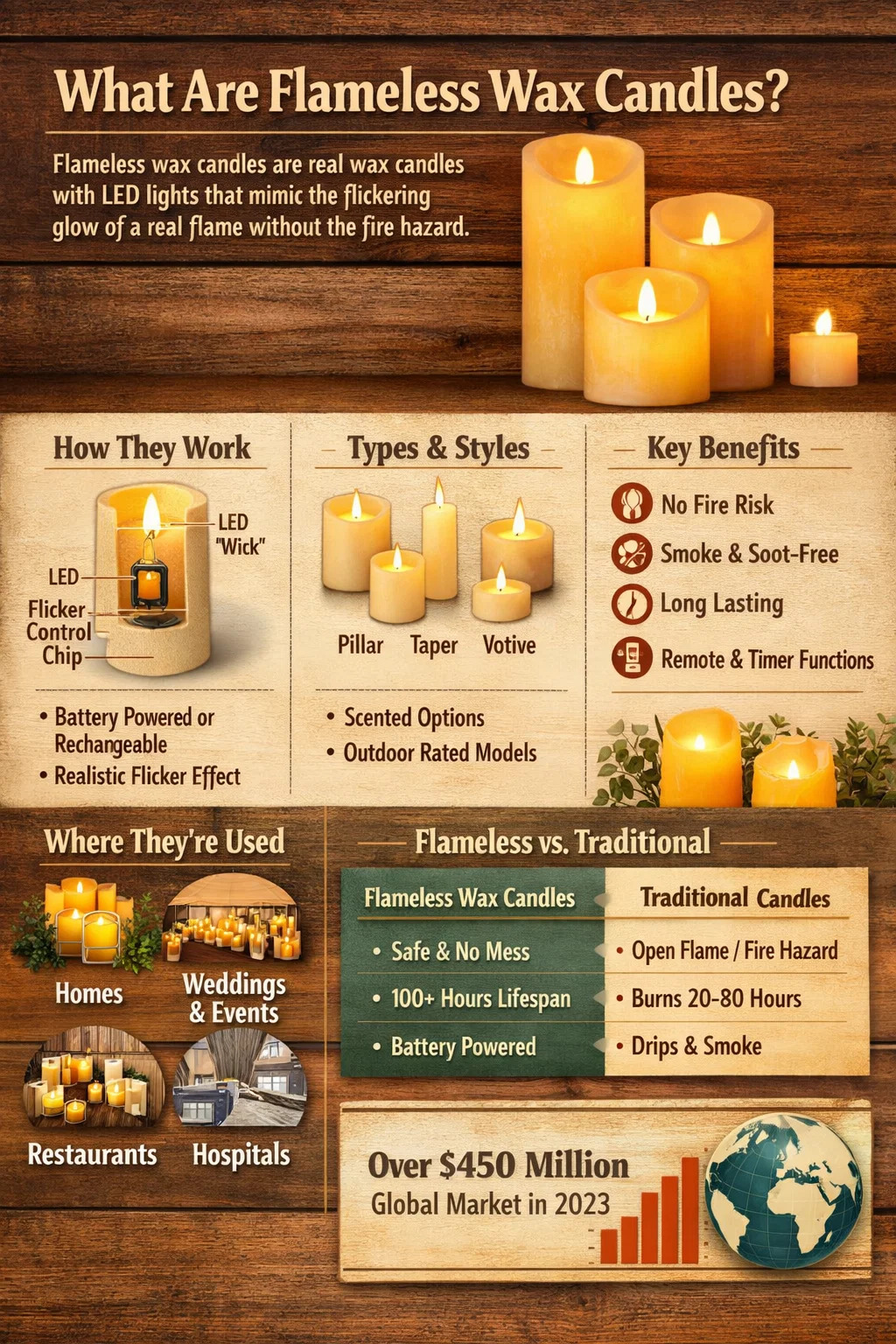
Flameless wax candles are battery-operated or USB-powered candles made from real wax — typically paraffin, soy, or beeswax — that produce a soft, flickering light without an open flame. Unlike traditional candles, they use a small LED bulb embedded inside the wax body to simulate the warm glow of a burning wick. The result is a candle that looks, feels, and in many cases even smells like the real thing, but carries none of the fire hazards associated with open flames.
The key distinction between flameless wax candles and plastic or foam LED candles is the material. Flameless wax candles are molded from actual wax, giving them a realistic texture, weight, and appearance. When lit, the LED flickers in a randomized pattern designed to mimic natural flame movement. Many models also include a timer function, remote control, or even a fragrance element, making them highly functional for both decorative and practical use.
They have become increasingly popular in homes, hotels, restaurants, hospitals, and event venues where the aesthetic of candlelight is desired but open flames are either prohibited or impractical. According to industry data, the global flameless candle market was valued at over $450 million in 2023 and is projected to grow steadily through the end of the decade, driven by safety concerns, convenience, and expanding product variety.
How Do Flameless Wax Candles Work?
The technology inside a flameless wax candle is straightforward but cleverly designed. At the core is a small LED light — usually a warm amber or ivory color — mounted on a short plastic or metal stem that protrudes slightly from the top of the wax. This stem is designed to look like a wick, and in many high-quality models, it is coated with a dark material to further enhance the illusion.
The LED is connected to a circuit board that controls flickering. Higher-end flameless wax candles use a micro-controller with an algorithm that randomizes the flicker pattern, preventing the repetitive, mechanical pulse that cheaper models often produce. This randomization is one of the most important factors in how convincing the candle looks in person.
Power typically comes from AA or AAA batteries housed in a small compartment at the base of the candle. Some newer models use a USB-C charging port or come with a rechargeable lithium battery. A standard set of two AA batteries can power a flameless wax candle for approximately 150 to 200 hours of continuous use, though this varies by LED brightness and the presence of additional features like fragrance diffusers or Bluetooth speakers.
Many flameless wax candles also include an infrared receiver for remote control operation, allowing users to adjust brightness, set timers, or change flickering modes from across the room. Timer functions are particularly popular — most models offer a 4-hour or 8-hour auto-shutoff cycle that repeats daily, which is convenient for setting a consistent ambiance at the same time each evening.
Types of Flameless Wax Candles
Flameless wax candles come in a wide range of styles, sizes, and wax compositions. Understanding the differences helps in choosing the right product for a specific setting or purpose.
By Wax Type
- Paraffin wax flameless candles are the most common and affordable. They have a smooth, glossy finish and are available in virtually every color and size. They hold fragrance well and are easy to mold into intricate shapes.
- Soy wax flameless candles appeal to environmentally conscious buyers. Soy wax is derived from soybean oil and is biodegradable. These candles have a slightly matte or creamy appearance and are often marketed as a more natural alternative.
- Beeswax flameless candles are the premium option. Natural beeswax has a distinctive honey-like scent and a warm, golden color. Beeswax flameless candles are denser and heavier, which contributes to their realistic feel in the hand.
- Blended wax candles combine two or more wax types — for example, a paraffin-soy blend — to achieve a balance between cost, appearance, and scent throw.
By Shape and Style
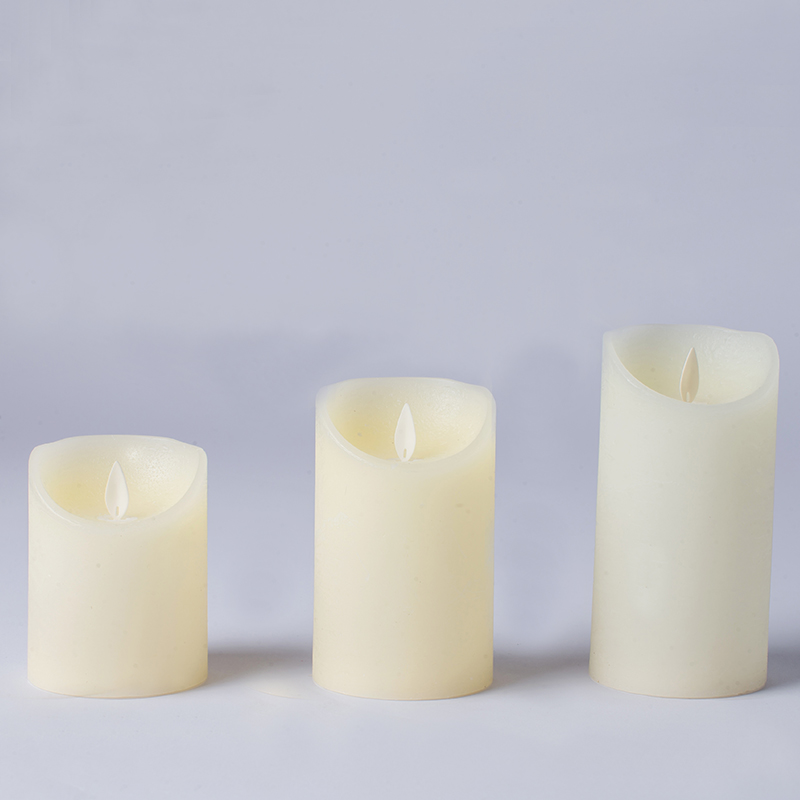
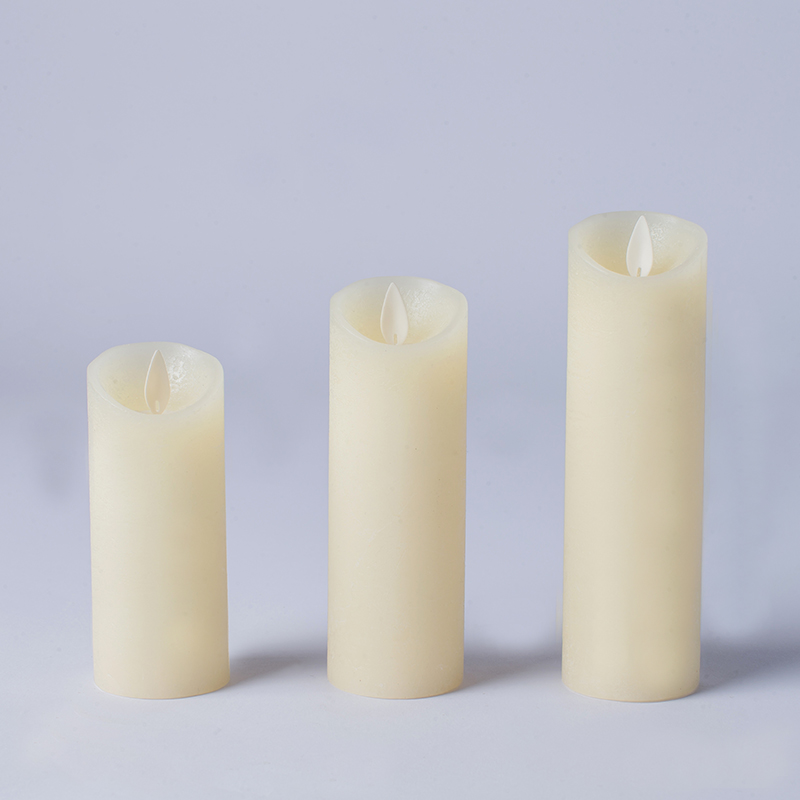
- Pillar candles are the most popular format — cylindrical, freestanding, and available in heights ranging from 3 inches to over 12 inches. They work well on flat surfaces, in lanterns, or grouped together as a centerpiece.
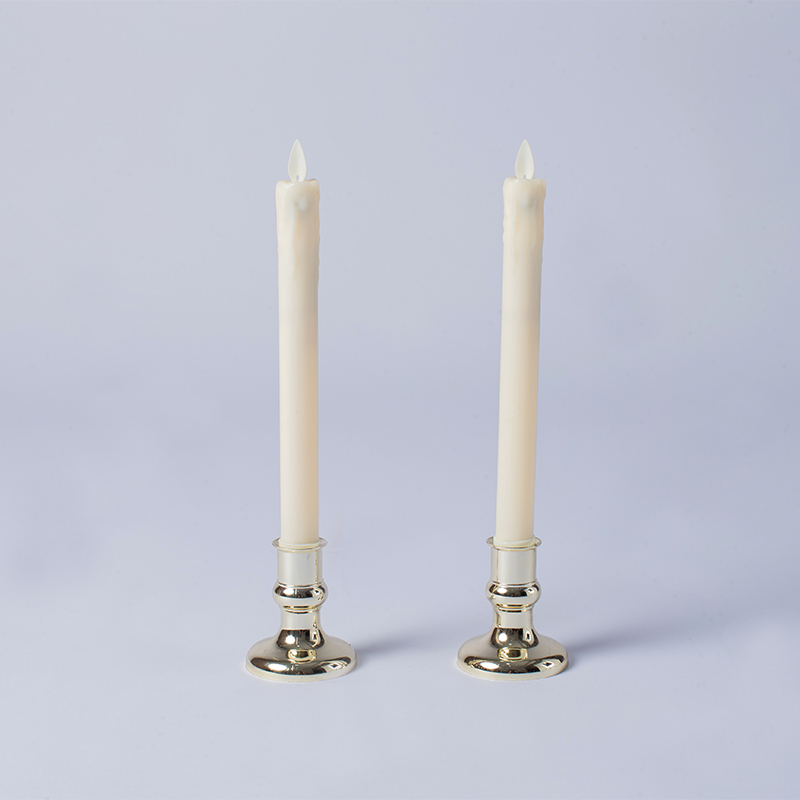
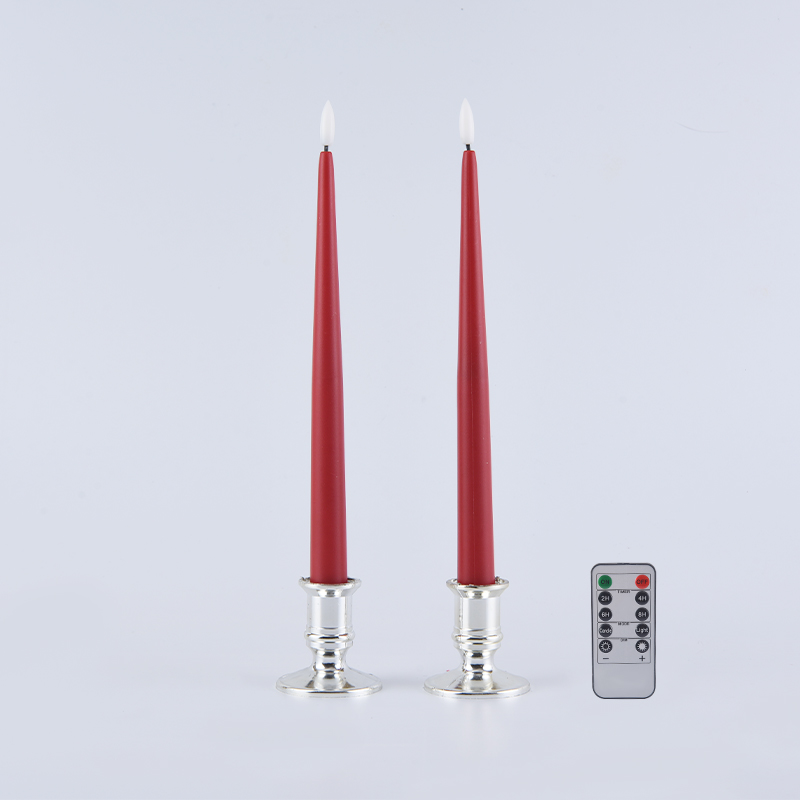
- Taper candles are long, slim, and designed for candleholders. Flameless taper candles are ideal for formal dining tables and church settings where the traditional silhouette is important.
- Votive candles are small, compact candles meant to be placed inside glass holders. Flameless votive candles are particularly effective because the glass diffuses the LED light, creating a warm, glowing effect similar to the real thing.
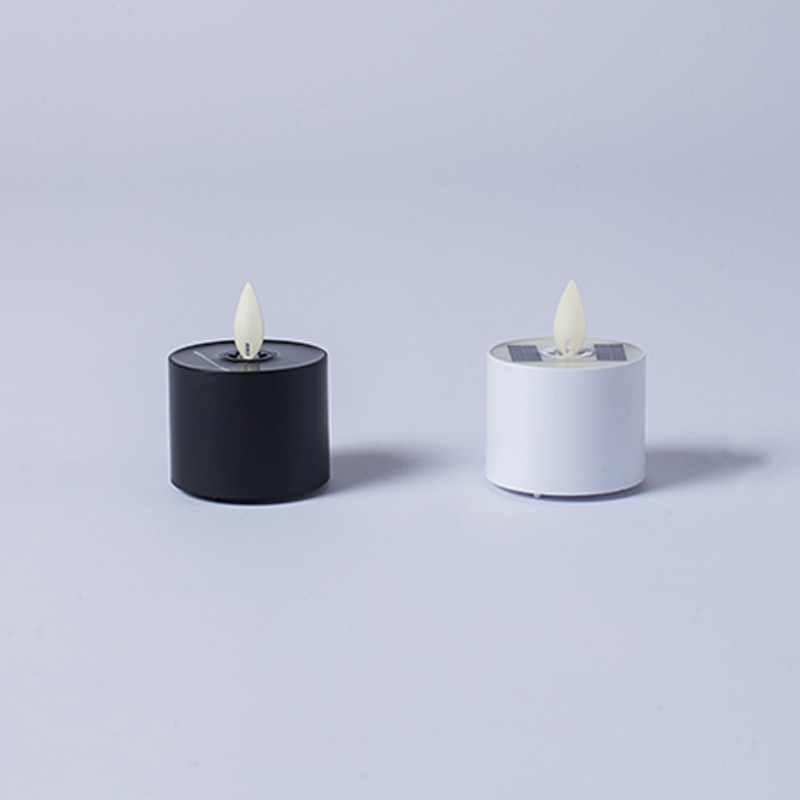
- Tealight candles are the smallest format, typically under 2 inches in diameter. Flameless wax tealights are excellent for decorating in bulk — for example, lining a wedding aisle or filling a centerpiece bowl.
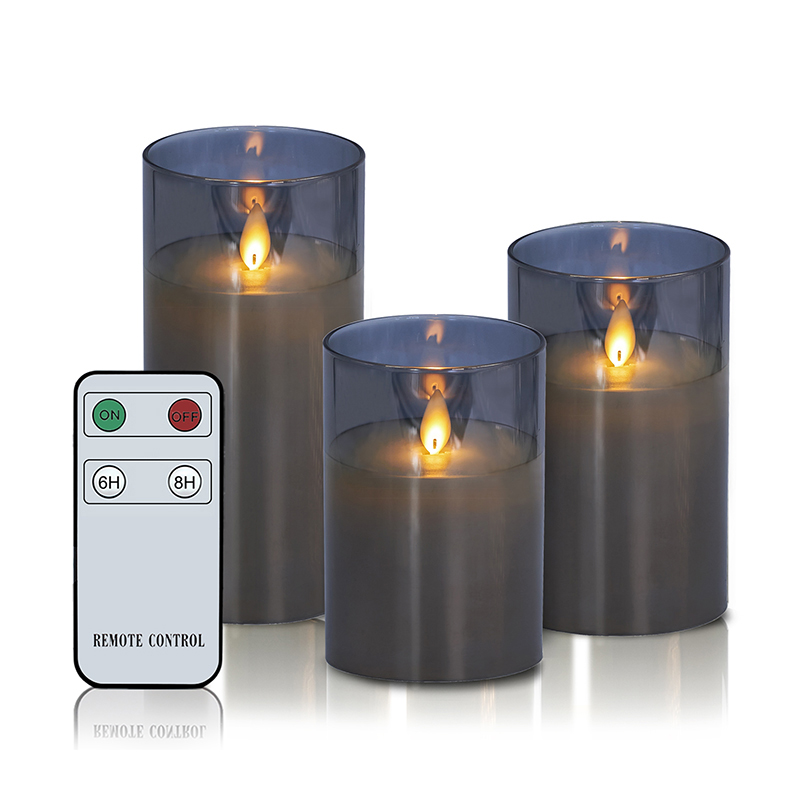
- Jar candles encase the wax in a glass container. The LED illuminates the wax from within, which creates a layered, glowing effect that many people find indistinguishable from a burning jar candle at a glance.
By Special Features
- Scented flameless wax candles incorporate fragrance oils directly into the wax or use a small heating element to gently warm the wax and release scent. These are popular for creating a full sensory candle experience without combustion.
- Remote-controlled candles allow centralized operation of multiple candles simultaneously — useful in restaurants, event spaces, or living rooms with multiple candles on display.
- Outdoor-rated flameless wax candles are treated with weather-resistant coatings to withstand humidity and light rain, making them suitable for patios, porches, and garden settings.
- Color-changing candles use RGB LEDs to cycle through multiple colors or respond to music, popular for parties and holiday decorations.
Flameless Wax Candles vs. Traditional Candles: A Direct Comparison
The choice between flameless wax candles and traditional candles is not simply about safety. There are meaningful differences across several dimensions that matter to different users in different situations.
| Criteria | Flameless Wax Candles | Traditional Candles |
|---|---|---|
| Fire Safety | No open flame; no fire risk | Open flame; significant fire risk |
| Air Quality | No soot or smoke emissions | Produces soot, CO₂, and VOCs |
| Lifespan | 100–1,000+ hours (LED lifespan) | Typically 20–80 hours before consumed |
| Ongoing Cost | Low (battery replacement only) | Higher (must replace candle repeatedly) |
| Scent | Available in scented models | Full scent throw when burning |
| Realism | High (especially wax models) | Complete — it is the real thing |
| Convenience | Timer, remote, no dripping wax | Requires supervision, can drip or tunnel |
| Outdoor Use | Wind- and rain-resistant options available | Extinguishes easily in wind |
| Child/Pet Safety | Safe to touch; no burn risk | Burn hazard for children and pets |
According to the U.S. National Fire Protection Association (NFPA), candles cause an estimated 7,400 home fires each year in the United States, resulting in approximately 90 deaths and $291 million in property damage annually. Flameless wax candles eliminate this risk entirely.
Key Benefits of Flameless Wax Candles
Safety for Families, Elderly, and Vulnerable Individuals
The most frequently cited reason for choosing flameless wax candles is fire safety. This is especially relevant for households with young children, pets, or elderly individuals who may knock candles over or forget to extinguish them. Memory care and assisted living facilities commonly use flameless wax candles as a standard practice, providing residents with the comforting, familiar ambiance of candlelight without any risk of burns or fires.
Improved Indoor Air Quality
Traditional candles — particularly paraffin wax candles — release soot, carbon dioxide, and volatile organic compounds (VOCs) when burned. Studies have detected traces of benzene, toluene, and formaldehyde in candle smoke. For people with asthma, allergies, or chemical sensitivities, this is a real concern. Flameless wax candles produce no combustion byproducts whatsoever. There is no smoke, no soot, and no airborne particulates — the air quality in the room remains completely unaffected.
Long-Term Cost Efficiency
A quality flameless wax candle typically retails for $15 to $40, which is more expensive upfront than most traditional candles. However, because the candle is not consumed during use, it can last for years. The ongoing cost is limited to battery replacements, which might amount to a few dollars per year. By contrast, a frequently used traditional pillar candle might need replacing every few weeks. For businesses like restaurants or hotels that use dozens of candles nightly, the cost savings from switching to flameless wax candles can be very significant over time.
Convenience and Control
Flameless wax candles can be left unattended without any concern. The built-in timer function allows users to set the candle to turn on at a specific time each day and automatically switch off after a preset duration. This is particularly valuable for setting a consistent mood at dinner time or for using candles as a nightlight. Remote controls allow multiple candles to be activated simultaneously with a single button press, which is a major convenience in dining rooms, event spaces, and living rooms with multi-candle arrangements.
Usability in Restricted Environments
Many environments either prohibit or strongly discourage open flames — apartment buildings, dormitories, hospitals, churches, event venues, aircraft cabins, and outdoor areas during dry season. Flameless wax candles are the only viable option in these settings for achieving the ambiance of real candlelight. Wedding planners, in particular, have adopted flameless wax candles widely, as many reception venues carry strict no-flame policies.
Wind and Weather Resistance
Outdoor candle use with traditional candles is extremely difficult — even a light breeze extinguishes a flame, and rain makes candles completely unusable. Weather-resistant flameless wax candles solve this problem entirely. They can be placed on patio tables, along garden paths, or inside outdoor lanterns without any concern about wind or moisture. The LED operates reliably regardless of environmental conditions.
Do Flameless Wax Candles Look Realistic?
This is one of the most common questions people have before purchasing. The honest answer is: it depends on the quality of the product. The best flameless wax candles on the market are remarkably convincing, while budget options often fall short in ways that are immediately obvious.
Several factors determine how realistic a flameless wax candle looks:
- Flicker algorithm complexity: High-quality candles use randomized flickering that includes occasional "dips" and "surges" in brightness, closely matching how a real flame behaves in a draft. Cheap candles flicker in a predictable, repetitive cycle that quickly looks mechanical.
- LED color temperature: The best flameless wax candles use LEDs in the 1800K–2200K range, which produces a deep amber glow very close to the color of real fire. Candles with cooler, whiter LEDs look noticeably artificial.
- Wax texture and finish: Real wax has a natural, slightly imperfect texture. Premium flameless wax candles replicate this with hand-poured or textured molds. Smooth, perfectly uniform finishes look more manufactured.
- "Melted" top design: Some high-end models include a sculpted top surface that looks like melted wax pooled around a wick — a detail that dramatically improves realism.
- Wax glow-through: Thinner-walled candles allow the LED light to glow softly through the wax itself, creating the same warm translucency visible in a real candle. This effect is most pronounced in soy and paraffin candles with lighter colors.
Brands such as Luminara, Candle Impressions, and Homemory are frequently cited in consumer reviews for producing flameless wax candles with realistic flickering and high-quality wax construction that consistently fools first-time viewers.
Where Are Flameless Wax Candles Most Commonly Used?
Flameless wax candles have found a place in nearly every setting where traditional candles are used, and in many places where they never could be.
Residential Homes
In the home, flameless wax candles are most commonly used in living rooms, dining rooms, bedrooms, and bathrooms. They are particularly popular for shelf displays, fireplace mantels, and holiday decorations. During the winter holiday season, they serve as a safer alternative to advent candles, nativity scene candles, and Christmas table arrangements.
Weddings and Events
The wedding and events industry is one of the largest commercial markets for flameless wax candles. Reception halls, ballrooms, and outdoor venues routinely require flameless alternatives, and the ability to set timers means they can be activated for the ceremony and automatically dim after a set period without any manual intervention from event staff. A single wedding may use hundreds of tealight or votive flameless wax candles to create aisle lighting, table centerpieces, and ambient background glow.
Restaurants and Hospitality
Restaurants use flameless wax candles to maintain the intimate atmosphere of candlelit dining without the labor cost of lighting and monitoring real candles, the fire insurance implications, or the mess of dripping wax on tablecloths. Hotels place them in lobbies, spa areas, and guest room amenity kits for ambient lighting.
Healthcare Facilities
Hospitals, nursing homes, and memory care units use flameless wax candles extensively. Research on dementia care has noted the positive psychological effects of familiar sensory environments, including candlelight, on residents' mood and calmness. Because open flames in these settings are strictly prohibited due to oxygen equipment and fire risk, flameless wax candles offer a meaningful, safe alternative.
Religious and Ceremonial Settings
Churches, temples, and other houses of worship use both real and flameless candles. In older historic buildings where fire suppression is limited or where the volume of visitors increases risk, flameless wax candles serve as an appropriate substitute for votive and altar candles. Memorial vigils and candlelight services also commonly incorporate flameless options, especially when children are participants.
How to Choose the Right Flameless Wax Candle
With a wide range of products available at very different price points, selecting the right flameless wax candle requires attention to a handful of key factors.
- Purpose and placement: Determine where the candle will be used. For a formal dining table centerpiece, a tall pillar in a neutral ivory or white with a warm LED is ideal. For a bathroom shelf, a smaller scented model may be more appropriate. For outdoor use, ensure the product is explicitly rated for outdoor or weather-resistant use.
- LED flicker quality: If realism matters, prioritize brands known for high-quality flicker algorithms. Read reviews specifically mentioning how the candle looks in person rather than in product photography, which can be misleading.
- Timer and remote features: For everyday home use, a built-in timer is one of the most useful features. If you plan to use multiple candles together, a remote-control set ensures they can all be managed in sync.
- Battery type and life: AA batteries provide a better power-to-size ratio and longer life than AAA. Rechargeable models eliminate the need to buy batteries but require access to a charging port. Check the estimated battery life and whether the product includes batteries.
- Scent preferences: If fragrance is important, look for models that use real fragrance oil infused into the wax rather than synthetic scent sprays. Note that scented flameless candles typically release fragrance more subtly than burning candles — they work best in smaller rooms or enclosed spaces.
- Size and proportion: Match the size of the candle to the space. A 3-inch diameter, 6-inch tall pillar works well on a coffee table; a 4-inch diameter, 9-inch tall pillar makes a strong statement on a mantel. Buying a set of varying heights creates a more dynamic, natural-looking grouping.
- Budget: Entry-level flameless wax candles start around $8–$12 each. Mid-range options with better flicker and timer features fall in the $15–$25 range. Premium brands like Luminara start at around $30–$50 per candle but offer the most convincing realism and the longest-lasting build quality.
Common Questions About Flameless Wax Candles
Can flameless wax candles get warm?
The LED and circuit board do generate a very small amount of heat, but the candle surface remains safe to touch at all times. There is no risk of burns from handling a flameless wax candle, even after it has been on for many hours. However, placing a flameless candle in direct, strong sunlight for extended periods can cause the wax to soften slightly due to ambient heat — this is a common issue with darker-colored wax candles left on sunny windowsills.
Do flameless wax candles melt?
No — the LED does not generate enough heat to melt wax. This means the candle retains its shape indefinitely and never drips, which is one of its key advantages for decorative use. Some premium models intentionally sculpt the top of the wax to look like it has melted, but this is purely cosmetic.
How long do the batteries last?
Battery life varies by brand and usage pattern. With a daily 4-hour timer setting, a good-quality flameless wax candle running on AA batteries will typically last 3 to 6 months before needing a battery change. Using the candle continuously at full brightness shortens this to around 3 to 4 weeks.
Are flameless wax candles environmentally friendly?
The environmental profile of flameless wax candles is mixed. On the positive side, they do not produce combustion byproducts, and a single flameless candle replaces dozens of traditional candles over its lifetime, reducing overall wax consumption. On the negative side, they do require batteries, which have their own environmental footprint. Choosing rechargeable batteries or USB-powered models significantly reduces this impact. Soy and beeswax models are also more biodegradable than paraffin options.
Can the LED be replaced when it burns out?
Most flameless wax candles are not designed with user-replaceable LEDs, as the LED lifespan is typically rated for 50,000 to 100,000 hours — far exceeding the practical lifespan of the product. In practice, it is extremely rare for an LED to burn out before the battery housing or wax body shows signs of wear.
Tips for Getting the Most Out of Flameless Wax Candles
- Group candles in odd numbers — sets of three or five create a more visually natural arrangement than pairs or even-numbered groupings, mimicking how real candle displays are typically styled.
- Use lanterns and holders — placing flameless wax candles inside glass lanterns, hurricane vases, or metal candleholders significantly enhances their realism by diffusing and reflecting the LED light in ways that closely mimic the behavior of a real flame inside a glass enclosure.
- Set timers consistently — using the built-in timer to activate candles at the same time each evening creates a reliable and pleasant routine without requiring any manual effort.
- Store away from direct sunlight — prolonged exposure to strong sunlight can fade the wax color and, in warm climates, soften the wax surface. Store candles in a cool, dry place when not in use for extended periods.
- Clean with a dry cloth — dust and fingerprints on the wax surface can dull the finish. A soft, dry microfiber cloth restores the appearance without damaging the wax.
- Pair with complementary scents — if using unscented flameless wax candles, placing a reed diffuser or wax melt warmer nearby creates a complete multi-sensory experience that closely approximates the experience of burning a scented candle.
- Vary heights for visual impact — a single large pillar candle on its own can look sparse. Combining a tall, medium, and short candle from the same product line in a grouped arrangement creates far greater visual depth and interest.