
 English
 Español
 Content
- 1 LED Tea Candles Are the Smarter Choice — Here's Why
- 2 How LED Tealight Candles Actually Work
- 3 Safety Advantages That Actually Matter
- 4 Cost Comparison: Wax vs. LED Tealight Candles Over Time
- 5 Best Uses for LED Tea Candles by Setting
- 6 What to Look For When Buying LED Tea Candles
- 7 Top Product Categories and Where They Excel
- 8 Environmental Considerations: Is LED Tealight the Greener Option?
- 9 Common Complaints About LED Tealight Candles and How to Address Them
- 10 Tips for Getting the Most Out of Your LED Tea Candles
- 11 Frequently Asked Questions About Tealight Candles LED
LED Tea Candles Are the Smarter Choice — Here's Why
If you've been wondering whether to switch from traditional wax candles to LED tea candles, the answer is straightforward: yes, for most indoor settings, LED tealight candles outperform wax alternatives in safety, longevity, and value. A single set of battery-operated LED tea candles can last over 100 hours on one battery cycle, while a standard paraffin tealight burns out in 4–6 hours. That's a difference of more than 20x in run time before you've spent another cent. This article breaks down everything you need to know — from how they work and where they shine, to what to look for before buying.
Tealight candles LED technology has evolved dramatically over the past decade. Early versions looked plastic and cold, with a harsh blue-white flicker that fooled no one. Today's best LED tea candles use warm amber LEDs with microchip-controlled flicker patterns that closely replicate the organic, slightly chaotic movement of a real flame. Some models use dual-LED configurations for added depth. The result is a product that's genuinely usable in romantic dining settings, spa environments, and event décor — not just a novelty item.
How LED Tealight Candles Actually Work
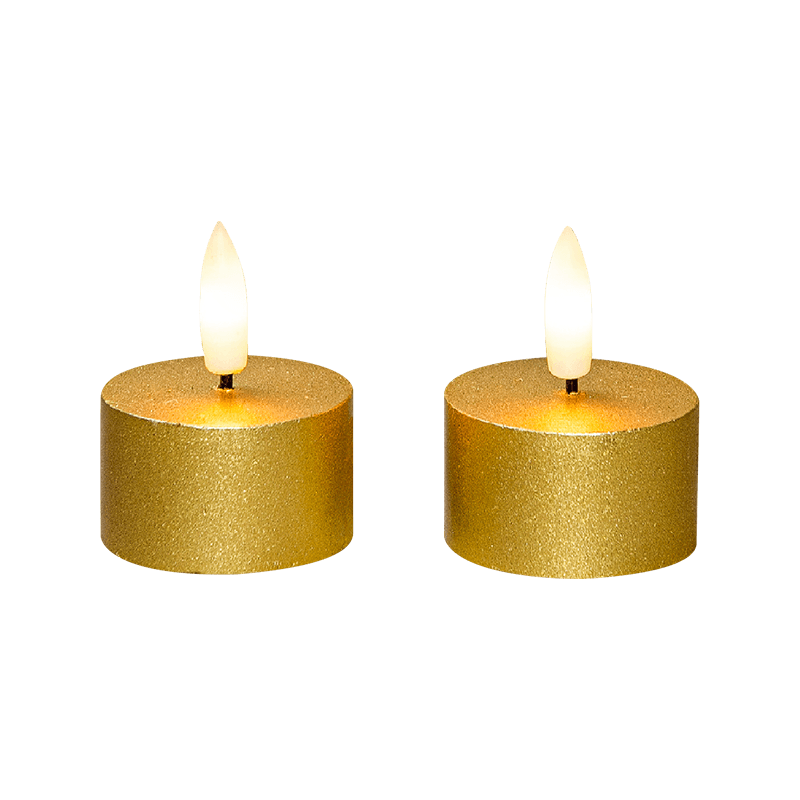
Understanding the technology behind LED tea candles helps you evaluate quality and choose the right product. At the core of every flameless tealight is a low-power LED — typically rated between 0.06W and 0.1W — mounted on a small circuit board. This LED is driven by a microcontroller that modulates the current in an irregular pattern to simulate flame movement. The "flame" element itself is often a small piece of heat-resistant plastic or resin shaped like a teardrop, which diffuses and scatters the light in multiple directions.
Power typically comes from CR2032 coin cell batteries or AA/AAA batteries depending on the design. CR2032-powered models are the most compact and are used in standard-sized tealights that fit traditional tealight holders. Larger units may use two AA batteries to power multiple LEDs or run for extended periods without replacement.
The Flicker Algorithm Makes the Difference
The quality of a flameless tealight candle comes down almost entirely to the flicker algorithm programmed into its controller chip. Cheaper units use a simple oscillating circuit that produces a repetitive, predictable on-off pattern — this is immediately recognizable as artificial and breaks the illusion completely. Premium LED tea candles use random-interval flickering with varying intensity levels, which mimics the way air currents cause a real flame to move. Some high-end models have up to 12 distinct intensity states that cycle in randomized sequences, making it extremely difficult to detect repetition.
Color temperature is another technical factor worth noting. Real candle flames emit light at approximately 1800–2000K — a deep, warm amber tone. Good LED tealight candles target this range closely. Products that emit at 2700K (a common warm white LED) look noticeably cooler and less realistic. Always check product specifications or reviews that mention color temperature when buying online.
Safety Advantages That Actually Matter
The safety case for tealight candles LED is not just marketing. According to the U.S. National Fire Protection Association (NFPA), candles cause approximately 8,700 home fires per year in the United States alone, resulting in an estimated 90 deaths and $291 million in direct property damage annually. Of those fires, nearly half start because a candle is left unattended or placed too close to flammable materials.
LED tea candles eliminate the open-flame risk entirely. They don't ignite curtains, tablecloths, or paper. They can't tip over and start a fire. They don't produce soot that stains walls and ceilings or deposits particulate matter in your lungs. For households with children or pets, for rental properties, for care homes, and for any venue that prohibits open flames — flameless LED tealight candles are the only viable option.
Air Quality Is a Frequently Overlooked Benefit
Paraffin candles — which account for the majority of tealights sold globally — release volatile organic compounds (VOCs) including benzene, toluene, and formaldehyde when burned. A 2009 study published in the journal Environmental Health Perspectives found that burning paraffin candles in an enclosed room could raise VOC concentrations to levels that exceed EPA thresholds for acceptable indoor air quality. Soy and beeswax alternatives are cleaner but not entirely emission-free. LED tealight candles produce zero combustion byproducts — there's nothing burning, so there's nothing to inhale.
For people with asthma, allergies, or chemical sensitivities, this is not a minor point. It's a genuine quality-of-life improvement. Many hospitals and medical facilities that previously prohibited any candles now allow LED tea candles for patient comfort and ambiance precisely because of this clean profile.
Cost Comparison: Wax vs. LED Tealight Candles Over Time
The upfront cost of LED tea candles is higher than wax tealights, but the math over 12 months consistently favors the LED option — often by a wide margin. Here's a realistic breakdown based on typical retail pricing in 2024:
| Category | Paraffin Tealights | LED Tealight Candles |
|---|---|---|
| Initial cost (10 units) | $3–$6 | $15–$30 |
| Average burn/run time per unit | 4–6 hours | 100–200 hours |
| Units consumed per year (10 candles × 4 nights × 52 weeks ÷ 5hr avg) | ~416 units | Same 10 units + battery replacement |
| Annual spend | $80–$150+ | $25–$45 (initial + batteries) |
| Waste generated | 416 aluminum cups + wax | Minimal (batteries only) |
Even in the best-case scenario for wax tealights, LED tea candles break even within 2–3 months of regular use and save significantly over a full year. For restaurants, event planners, and hospitality businesses using hundreds of tealights weekly, the savings scale dramatically.
Best Uses for LED Tea Candles by Setting
Not all environments call for flameless tealights in the same way. Here's where they perform best and why:
Restaurants and Hospitality
This is the single largest commercial market for LED tealight candles. Restaurants that previously spent $200–$500 per month on wax tealights can cut that cost to under $50 with a rechargeable LED tealight system. Many commercial-grade LED tea candles are now designed with built-in rechargeable batteries and charging trays that can hold 20–50 units at once, making turnover between service periods fast and simple. The elimination of fire risk also matters for insurance premiums and venue certification in many jurisdictions.
Weddings and Events
LED tea candles have become standard in the event industry for table centerpieces and decorative lighting. Many historic venues, churches, and museums that prohibit open flames now permit flameless alternatives, opening up dozens of venue options that would otherwise be unavailable. Event planners also appreciate the ability to set up hours in advance without worrying about candles burning down before guests arrive — a set of tealight candles LED units can be switched on remotely or via timer to coincide precisely with event timing.
Home Décor and Everyday Use
In residential settings, LED tea candles work particularly well in areas where you want ambiance without supervision — bookshelves, bathroom ledges, window displays, and lanterns. Placing real tealights in an enclosed lantern is a known fire risk; LED alternatives can be used freely in any enclosure. They're also ideal for households with cats and dogs, who are responsible for a meaningful share of candle-related fires due to wagging tails and curious paws knocking flames into flammable materials.
Seasonal and Outdoor Decoration
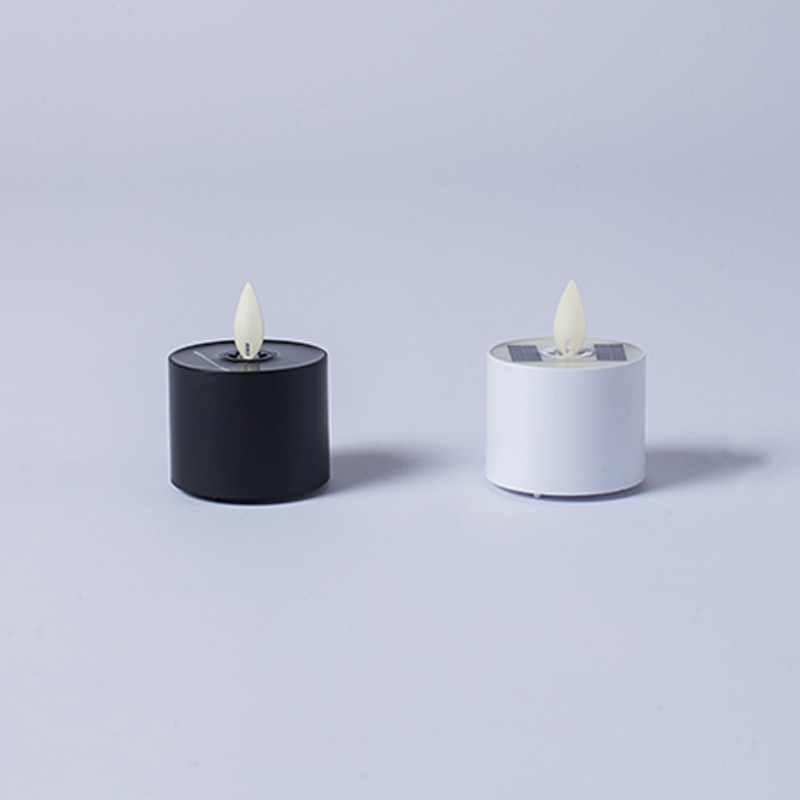
For autumn porch displays, Halloween jack-o'-lanterns, and Christmas window arrangements, tealight candles LED units have replaced wax almost entirely in many households. Many are rated IP44 or higher for moisture resistance, making them usable in covered outdoor spaces. Solar-powered variants exist for permanent outdoor installations that require no battery changes at all.
What to Look For When Buying LED Tea Candles
The market for flameless tealight candles is crowded, and quality varies enormously. These are the specifications and features that separate genuinely good products from cheap imitations:
- Flicker mode quality: Look for descriptions like "random flicker," "multi-mode flicker," or "natural flame simulation." Avoid anything described as "steady glow" if realism is your goal.
- Color temperature: Aim for products that specify 1800K–2200K. If no color temperature is listed, check user photos in reviews — these are often the most honest indicator of actual warmth.
- Battery type and life: CR2032 batteries are standard for compact tealights and widely available. Expect 80–150 hours of continuous use per battery set from quality units. Some sets include batteries; others do not — factor this into cost comparisons.
- Timer function: A built-in timer (typically 6-hour on, 18-hour off cycles) is enormously convenient for everyday use. It extends battery life significantly and removes the need to manually switch candles on and off.
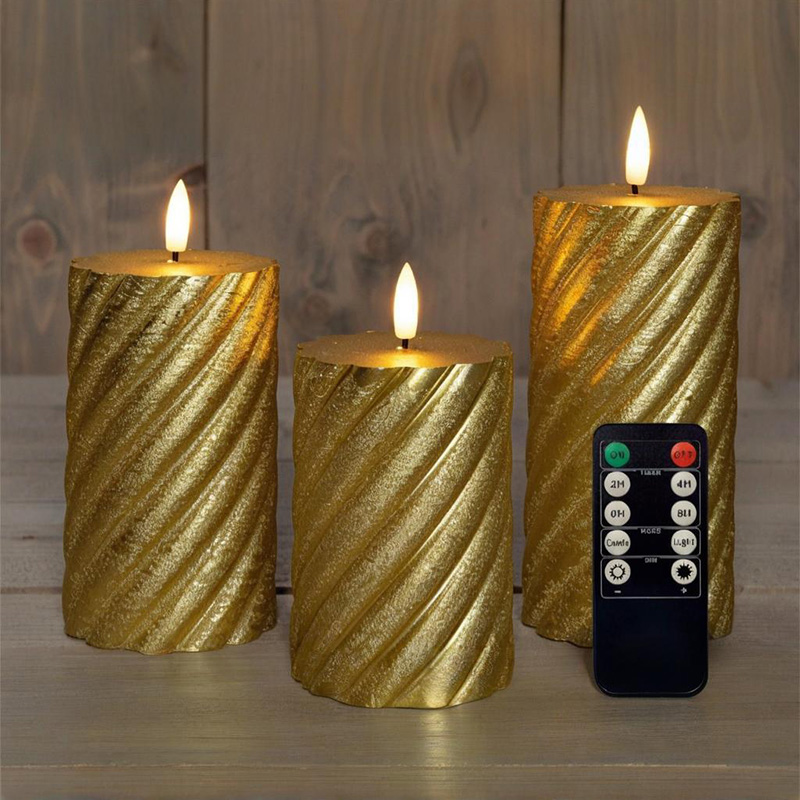
- Remote control compatibility: For large installations or settings where individual access is difficult (centerpiece arrangements, high shelves), remote-controlled LED tealight candles allow you to switch entire groups on or off simultaneously.
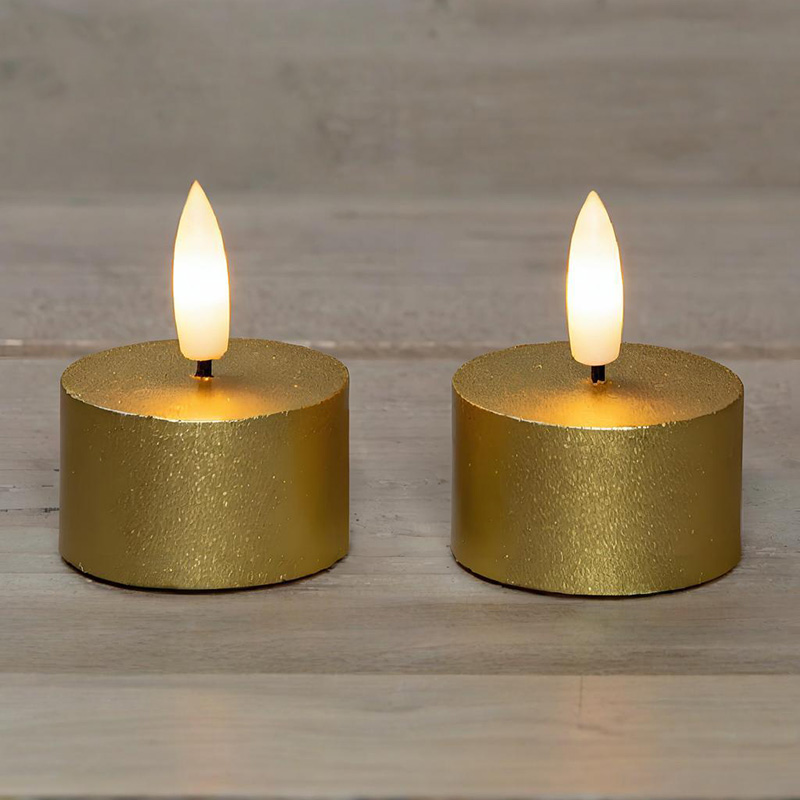
- Housing material and finish: High-quality units use matte or slightly textured plastic housing that diffuses light softly, mimicking the frosted or matte finish of paraffin. Shiny, glossy housings look cheap and reflect light unnaturally.
- Size compatibility: Standard tealight holders are designed for candles approximately 38mm in diameter and 16mm tall. Most LED tealight candles match these dimensions, but always verify — especially for decorative or vintage holders with tight tolerances.
- Rechargeable options: For high-frequency use, rechargeable LED tea candles with USB or dock-charging capability eliminate ongoing battery costs and waste entirely. The upfront cost is higher ($40–$80 for a set of 12), but the operating cost approaches zero.
Top Product Categories and Where They Excel
LED tealight candles come in several distinct product categories, each suited to different needs. Understanding these categories prevents the common mistake of buying the wrong type for your application.
Budget Battery-Operated Packs (12–100 units)
These are the most commonly purchased LED tea candles — sold in bulk packs for events, seasonal decoration, or general home use. Prices typically range from $0.80–$2.50 per unit. Quality within this category varies significantly. The most reliable budget option is to stick with brands that have high review volumes (500+ reviews) on major retail platforms, as quality issues tend to surface quickly in user feedback. At this price point, expect decent but not exceptional flicker quality, and plan on battery replacement every 80–120 hours of use.
Timer-Equipped Mid-Range Units
Priced between $2.50–$5.00 per unit, these tealight candles LED models include the 6-hour timer function and often feature improved flicker algorithms. They're the best choice for everyday home use and small hospitality settings. The timer function alone justifies the price premium — it prevents battery drain from accidental overnight operation and makes the candles feel more like a functional home accessory than a disposable decoration.
Rechargeable Commercial-Grade Sets
Designed for restaurant and event industry use, these units typically cost $4–$8 per candle but include proprietary rechargeable batteries rated for 500+ charge cycles. Charging trays handle 12–50 units simultaneously. Many include remote controls for service staff. The total cost of ownership over a two-year period for a restaurant running 40 tealights per service is dramatically lower than any disposable alternative, wax or battery-powered.
Wax-Dipped LED Hybrids
A growing niche in the LED tea candles market involves units that coat the LED housing in real wax. These look and feel indistinguishable from traditional candles in photographs and on tables, which is valuable in upscale settings where overt plastic construction would be out of place. They're not actually consumed by burning, but they develop a natural patina over time. These are found primarily in the $5–$12 per unit range.
Environmental Considerations: Is LED Tealight the Greener Option?
The environmental picture for LED tea candles is nuanced but generally favorable over a product's lifetime. Here's how the comparison breaks down:
Raw Material Extraction
Paraffin wax is a petroleum byproduct, making every traditional tealight dependent on oil extraction. Soy wax is a lower-impact alternative but requires agricultural land and processing. LED tealight candles require plastics, copper wiring, and rare-earth elements for the LEDs — the extraction of which has its own environmental footprint. However, because a single LED tealight replaces hundreds of wax candles over its lifetime, the materials cost per hour of light output is dramatically lower.
Waste and End-of-Life
Traditional tealights generate significant aluminum and plastic waste — a household using 416 tealights per year produces around 2kg of aluminum cup waste alone. LED tealight candles produce minimal ongoing waste, though the electronics themselves require responsible e-waste disposal at end of life. Rechargeable LED tea candles are the strongest environmental option, eliminating both wax waste and disposable battery waste for 3–5 years of use.
Energy Consumption
The energy consumed by an LED tealight candle running on a CR2032 battery is so small as to be practically negligible — roughly 0.06–0.1 watts. A conventional wax tealight releases energy through combustion at a rate equivalent to about 30–40 watts of heat output, the vast majority of which is wasted thermal energy rather than useful light. LEDs convert electrical energy to light at 30–50% efficiency; combustion candles convert to light at roughly 0.04% efficiency. From a pure energy-to-light ratio, LED tealight candles are over 1,000 times more efficient than their wax counterparts.
Common Complaints About LED Tealight Candles and How to Address Them
Even strong advocates for flameless tealights acknowledge that the category has real weaknesses. Here are the most common criticisms and honest responses:
- "They don't smell like candles." True — this is perhaps the most legitimate criticism. The fragrance of a burning candle contributes significantly to the sensory experience, and LED alternatives produce no scent at all. The workaround is to use reed diffusers, wax melts, or room sprays alongside LED tea candles to recreate the olfactory component independently. Some event designers place wax melts warmed by gentle electric warmers near tealight arrangements to bridge this gap.
- "They look fake up close." Cheap units do. High-quality tealight candles LED with realistic flicker algorithms and warm color temperatures are genuinely convincing in normal ambient lighting. The test is always to view product photos taken in real settings (not studio shots) or read reviews that specifically address realism.
- "The batteries run out at inconvenient times." This is a genuine operational issue for battery-powered models. Timer functions help enormously by preventing accidental overnight drain. Keeping spare CR2032 batteries on hand resolves the issue for most users. Rechargeable models eliminate it entirely.
- "They feel cheap and plasticky." The lowest-tier products do. Wax-dipped hybrid LED tea candles and higher-quality housing materials address this. For table settings where the tealight will be examined closely, investing in a mid-to-high range product makes a meaningful visual difference.
- "There's no warmth from the flame." Correct. For users who enjoy the warmth of a candle in close quarters (such as during meditation or bath time), LED tealight candles don't replicate this. This is a fundamental physical limitation, not a quality issue.
Tips for Getting the Most Out of Your LED Tea Candles
Maximizing the performance and lifespan of your flameless tealights is straightforward once you know what matters:
- Use name-brand batteries. Generic or off-brand CR2032 cells often have significantly lower capacity than branded alternatives like Energizer or Panasonic. The difference in run time can be 30–50%, which is substantial over many use cycles.
- Store unused units without batteries. Leaving batteries in LED tealight candles when not in use for extended periods causes slow drain and can lead to battery leakage that damages the contacts. Remove batteries for any storage period longer than 2–3 weeks.
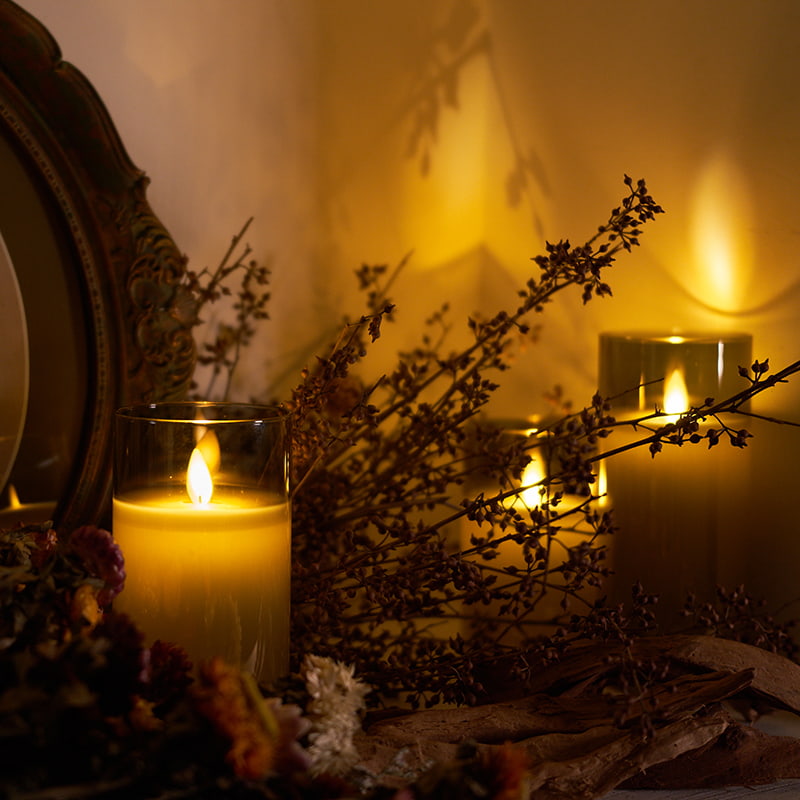
- Use holders that obscure the base. Placing LED tea candles in traditional tealight holders, glass votives, or small lanterns hides the housing and battery compartment, dramatically improving the overall visual effect. This is the single easiest way to make even budget units look more convincing.
- Group them for impact. A single LED tealight in an open space looks unconvincing. Five or seven arranged in a cluster create mutual reflections and overlapping flicker effects that are visually compelling and harder to identify as artificial.
- Sync timers across a set. Many timer-equipped tealight candles LED units synchronize their 6-hour cycle when switched on simultaneously. Turn on a full set at the same time to keep them running in phase — this prevents the situation where some candles in a display are on and others have automatically switched off.
- Clean the LED diffuser periodically. Dust accumulation on the flame element diffuser reduces light output and can alter the flicker appearance. A soft dry cloth or cotton swab removes dust without damaging the component.
Frequently Asked Questions About Tealight Candles LED
How long do LED tealight candles last on one battery?
Most quality LED tea candles running on CR2032 batteries last between 80 and 150 hours of continuous use. Timer-equipped models that run 6 hours per day will last 2–4 weeks before needing a battery change. High-efficiency models have been independently tested at over 200 hours on a single CR2032 cell.
Can LED tealight candles be used outside?
Yes, with some caveats. Standard units without an IP rating are suitable for calm, dry outdoor environments but should not be left in rain or heavy humidity. Units rated IP44 or higher can handle light moisture exposure and are appropriate for covered patios and outdoor event settings. No consumer-grade LED tealight candle is designed for direct rain exposure.
Do LED tea candles flicker realistically?
Quality varies significantly. The best products on the market use multi-state random flicker algorithms that most observers cannot distinguish from a real flame in ambient lighting. Budget units use simple oscillating patterns that are noticeably repetitive and artificial. Reading verified user reviews specifically about realism is the most reliable way to assess flicker quality before purchasing.
Are rechargeable LED tealight candles worth the extra cost?
For moderate to heavy use, yes. If you're running tealight candles 3–7 nights per week, the battery savings alone recoup the price premium within 6–12 months. The added convenience of dock charging versus individual battery replacement is also a significant quality-of-life factor for regular users and commercial operations.
What's the standard size for LED tealight candles?
The standard size matches traditional paraffin tealights: approximately 38mm (1.5 inches) in diameter and 16–18mm (about 0.6–0.7 inches) in height. Most LED tea candles on the market conform to these dimensions to ensure compatibility with existing tealight holders. Some manufacturers offer slightly larger or smaller versions; check dimensions against your holders if you have unusual or vintage pieces.