
 English
 Español
 Content
- 1 What Makes Fusion LED Candles Different From Standard LED Candle Lights
- 2 Lifespan and Cost Comparison: Fusion LED vs. Wax Candles vs. Standard LED Candle Lights
- 3 The Safety Case: Why Hotels, Restaurants, and Nurseries Are Switching
- 4 Flame Realism: How Modern Fusion LED Candles Achieve It
- 5 Choosing the Right Fusion LED Candle: A Practical Buyer's Guide
- 6 Best Use Cases for Fusion LED Candles by Setting
- 7 Environmental Impact: Fusion LED Candle Lights vs. Wax Candles
- 8 Top Features to Look for in Premium Fusion LED Candle Lights
- 9 How to Arrange and Style Fusion LED Candle Lights for Maximum Effect
- 10 Maintenance, Care, and Longevity of Fusion LED Candles
- 11 The Future of Fusion LED Candle Technology
Fusion LED candles are the most advanced category in the decorative lighting market today — they combine the realistic flame motion of traditional flickering candles with the longevity, safety, and programmability of modern LED technology. If you're weighing whether to invest in fusion LED candles over standard LED candle lights or conventional wax candles, the short answer is yes: for any setting where ambiance, safety, and low maintenance all matter simultaneously, fusion LED candles outperform every alternative. Below, we break down exactly why — with data, comparisons, and practical guidance.
What Makes Fusion LED Candles Different From Standard LED Candle Lights
Standard LED candle lights have been around since the early 2000s, and most people are familiar with their limitations: the light output is often flat, the flicker (if present) is mechanical and predictable, and the overall aesthetic feels artificial. Fusion LED candles solve these problems through a combination of hardware and software innovations that didn't exist even five years ago.
The term "fusion" refers to the integration of multiple technologies into a single candle body. A typical fusion LED candle includes:
- A multi-diode LED cluster that mimics the color spectrum of real candlelight (typically between 1800K and 2200K color temperature)
- An algorithmic flicker engine that randomizes flame movement rather than repeating a loop
- A motion sensor or wind-response system that causes the "flame" to react when someone walks nearby
- A wax or wax-like shell that melts around the LED housing to create a realistic dripping and pooling appearance
- Optional Bluetooth or Wi-Fi connectivity for app-based control of brightness, color temperature, and timer schedules
Standard LED candle lights typically only include the first element — a single LED behind a plastic flame cover — which is why the visual difference is immediately noticeable to most observers. In consumer testing by lighting product reviewers, fusion models are identified as "real candles" by untrained observers roughly 60–70% of the time when viewed from a distance of two meters or more, whereas standard LED candle lights are identified correctly as artificial nearly 100% of the time.
Lifespan and Cost Comparison: Fusion LED vs. Wax Candles vs. Standard LED Candle Lights
One of the most compelling arguments for fusion LED candles is purely economic. The upfront cost is higher than both wax candles and basic LED candle lights, but the total cost of ownership over 12 to 36 months is dramatically lower.
| Candle Type | Avg. Lifespan | Units Needed (3 yrs, daily use) | Approx. 3-Year Cost (single candle replacement) | Fire Risk |
|---|---|---|---|---|
| Wax Candle (pillar, 3") | 40–60 hours | 18–27 units | $90–$270 | High |
| Standard LED Candle Light | 500–1,000 hours | 1–2 units | $10–$30 | None |
| Fusion LED Candle | 50,000–80,000 hours | 1 unit | $25–$80 (one-time) | None |
The lifespan figures for fusion LED candles are not marketing estimates — they reflect the LED chip ratings used in commercial-grade products. At 50,000 hours of rated life, a fusion LED candle used for 4 hours every single day would last approximately 34 years before the LED itself reaches 70% of its original brightness (the industry standard for LED end-of-life). Even at 4 hours daily, a standard LED candle light at 700 hours rated life lasts less than 6 months before battery or LED replacement is needed.
The energy consumption difference is also worth noting. A fusion LED candle draws between 0.5 and 2 watts of power. A traditional wax candle consumes no electricity but produces roughly 80 BTUs of heat per hour and significant particulate pollution, which HVAC systems must compensate for — an indirect energy cost rarely factored into consumer comparisons.
The Safety Case: Why Hotels, Restaurants, and Nurseries Are Switching
According to the National Fire Protection Association (NFPA), candles are responsible for an estimated 7,400 home fires each year in the United States, causing 90 deaths and $291 million in property damage annually. The majority of these fires start when candles are left unattended or placed near flammable materials. Fusion LED candles eliminate this risk entirely — they produce no open flame, no heat sufficient to ignite surrounding materials, and no molten wax.
This is precisely why commercial adoption has accelerated so dramatically. Specific sectors driving growth include:
Hospitality and Food Service
Restaurant groups and hotel chains have been among the earliest and most enthusiastic adopters of fusion LED candle lights at scale. A mid-sized restaurant with 40 tables, each with two candles lit for 6 hours per service, would consume roughly 480 wax candles per month if using standard tapers — an ongoing supply chain problem. Switching to fusion LED candle lights on rechargeable bases eliminates reordering entirely and reduces per-table lighting costs to near zero after the initial hardware purchase. Major hotel brands including Marriott and Hilton properties have publicly documented switching programs for their dining venues.
Healthcare and Senior Living Facilities
Many states prohibit open-flame candles entirely in assisted living facilities and memory care units due to fire codes. Fusion LED candles meet these regulatory requirements while still allowing residents to maintain the comforting ritual of candlelight — particularly meaningful in dementia care settings, where familiar sensory experiences have documented therapeutic value. The absence of smoke and combustion byproducts is also critical for residents with respiratory conditions.
Children's Rooms and Family Homes
Parents who want nightlight ambiance or holiday decoration without any burn or tip-over risk find fusion LED candle lights ideal. Models designed for children's spaces often include automatic shutoff timers set to 2, 4, or 6 hours, ensuring the light doesn't run through the night on battery-powered units.
Flame Realism: How Modern Fusion LED Candles Achieve It
The single biggest objection to earlier generations of LED candle lights was always realism. The flame looked fake. The movement was mechanical. The color was wrong. Fusion LED candles have addressed each of these failures systematically.
Color Temperature Accuracy
Real candlelight burns at approximately 1850K, producing an extremely warm amber-orange glow. Early LED candle lights used warm-white LEDs rated at around 2700K to 3000K — noticeably cooler and more yellow than actual flame. Premium fusion LED candles now use dual-emitter LEDs that blend a 1700K amber chip with a 2100K warm-white chip, dynamically varying the ratio during the flicker cycle to simulate the color shifts a real flame produces as it fluctuates in size. The result is a color rendering that passes the casual observer test in virtually all lighting conditions.
Algorithmic Flicker vs. Mechanical Loop
Older LED candle lights used a simple capacitor-based circuit to create a repeating flicker loop that cycled every 3 to 5 seconds — observable if you watched for 30 seconds. Fusion LED candle technology replaces this with a microcontroller running a pseudo-random number generator seeded by ambient light or thermal sensors, producing a flicker pattern that never repeats in any recognizable cycle. The result behaves statistically like real fire: long periods of relative steadiness interrupted by sudden gust-like fluctuations, subtle breathing rhythms, and occasional near-extinction dips.
Physical Flame Movement
The most premium fusion LED candles use a physical mechanism — often a small motor or piezoelectric actuator — to move a translucent flame-shaped diffuser subtly in three dimensions. When combined with the LED flicker, this creates the impression of a flame that not only changes intensity but actually moves in space. Some high-end models use an air-current sensor so that blowing on the candle causes the flame to lean away from the airstream and then recover, exactly as a real candle would. This single feature is frequently cited by buyers as the moment they were fully convinced of the realism.
Choosing the Right Fusion LED Candle: A Practical Buyer's Guide
Not all fusion LED candles deliver on their promises equally. The market has expanded rapidly, and there are meaningful quality differences across price points and brands. Here's what to evaluate before purchasing.
Power Source
Fusion LED candles are available in three power configurations: battery-operated (typically AA or AAA), USB rechargeable with built-in lithium-ion cells, and hardwired AC-powered. For tabletop use, USB rechargeable models offer the best balance of portability and economy — a single charge typically provides 8 to 15 hours of runtime, and there are no ongoing battery costs. AC-powered models are best for permanent installations in display cases or restaurant table centerpieces where charging logistics would be disruptive. Battery models are most appropriate for outdoor use where neither AC nor USB access is available.
Remote Control and Smart Features
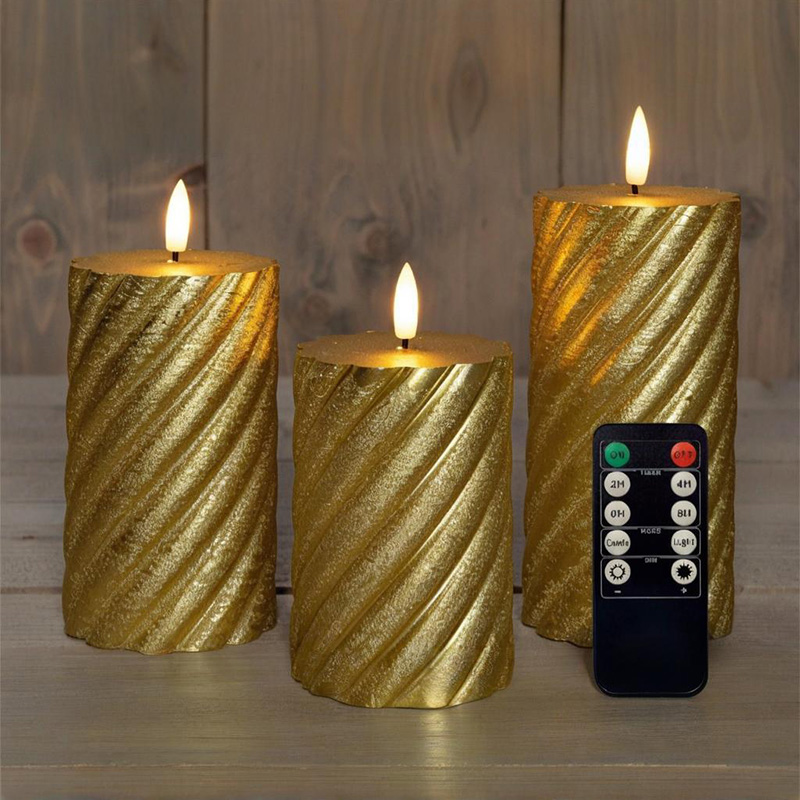
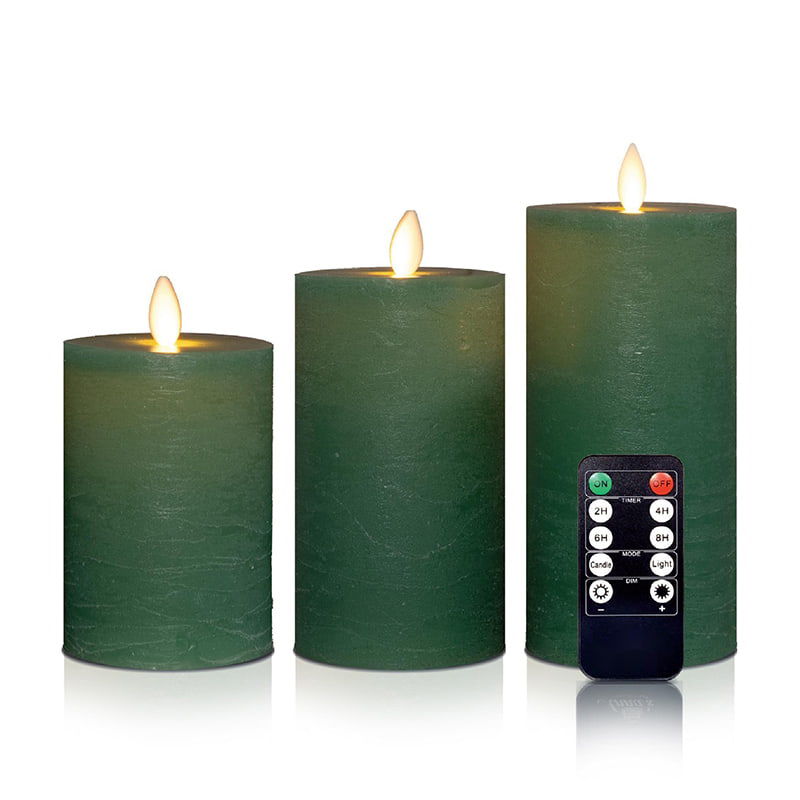
Entry-level fusion LED candles include a simple remote control for on/off and timer functions. Mid-range models add dimming control (usually 10% to 100% in steps) and multiple flicker speed settings. Premium models include Bluetooth connectivity and companion apps that allow you to program custom schedules, group-control multiple LED candle lights simultaneously, adjust color temperature in real time, and set gradual brightness ramps to simulate sunrise and sunset effects. For residential bedroom use, the sunrise ramp feature alone justifies the premium for many buyers.
Wax Shell Quality
The exterior of a fusion LED candle matters more than most buyers expect. Lower-cost models use injection-molded hard plastic with a printed surface texture that mimics wax — it looks convincing in photographs but feels obviously artificial when touched. Higher-quality models use a real paraffin or soy wax shell poured over the LED housing, which behaves like real wax to the touch and even shows realistic drip marks and melt pools around the LED flame emitter. The wax is not consumed (it does not actually burn), but the visual and tactile authenticity it provides is significant for settings where guests handle or closely examine the candles.
Weather Resistance
If you plan to use fusion LED candles outdoors — on patios, in garden lanterns, or at outdoor events — check the IP rating carefully. IP44 is the minimum acceptable rating for sheltered outdoor use (protected against splashing water from any direction). IP65 or higher is recommended for use in exposed outdoor settings. Most indoor-only models carry no IP rating and will fail quickly if exposed to humidity or light rain, even briefly.
Best Use Cases for Fusion LED Candles by Setting
Fusion LED candles are versatile enough to work across a wide range of residential and commercial applications, but they perform particularly well in specific contexts where their combination of realism, safety, and controllability creates the greatest value.
- Dining rooms and kitchen tables: The warm 1800K–2000K light from fusion LED candle lights is flattering to food and skin tones at close range. Unlike wax candles, there's no smoke to interfere with aromas during a meal, and no risk to tablecloths or decorative centerpieces.
- Bedroom nightstands: The timer function on most fusion LED candles allows users to fall asleep to natural-feeling candlelight that automatically shuts off after a set period — eliminating the fire risk of forgetting to extinguish a real candle before sleep.
- Bathrooms and spa settings: Moisture-rated fusion LED candle lights are ideal in bathrooms where traditional candles near water are a genuine hazard. The ambiance they provide during baths is functionally identical to real candlelight in a humid, steamy environment.
- Wedding and event decoration: Event planners have largely shifted from wax candles to fusion LED candle lights for large-scale setups — particularly for centerpieces that must be installed hours before guests arrive without fire hazard concerns, and for venues that prohibit open flames outright.
- Religious and memorial settings: Fusion LED candles are increasingly used in churches, memorial gardens, and shrines where candles traditionally hold spiritual significance. They allow the ritual of lighting and leaving a candle without creating fire risk in unattended settings.
- Halloween and seasonal decoration: Carved pumpkins, lanterns, and haunted house props are natural applications for fusion LED candle lights — they can be left inside pumpkins for weeks without fire risk, and many models include an orange-tinted flame specifically designed for Halloween applications.

Environmental Impact: Fusion LED Candle Lights vs. Wax Candles
Environmental considerations increasingly influence purchasing decisions, and fusion LED candles have a stronger sustainability profile than wax candles on most metrics — though not without nuance.
The production of paraffin wax candles is tied directly to petroleum refining. A standard 8-ounce paraffin candle contains roughly 200 grams of refined petroleum product, plus colorants, fragrance compounds (often synthetic), and a cotton or paper wick. When burned, paraffin candles release carbon dioxide, soot particles, volatile organic compounds (VOCs) including benzene and toluene, and acrolein — all of which degrade indoor air quality. Studies have found that burning paraffin candles in a small room can raise benzene levels to 12 times the recommended indoor threshold within 30 minutes.
Soy and beeswax candles are meaningfully cleaner burning, but still produce combustion byproducts and require ongoing resource consumption. Soy wax carries its own agricultural footprint, including land use and pesticide application.
Fusion LED candles require manufacturing energy and contain electronic components including small lithium batteries (in rechargeable models) that must be responsibly recycled at end of life. However, their 50,000-hour rated lifespan means a single unit replaces hundreds of wax candles over its operational life. The net lifecycle carbon footprint heavily favors fusion LED candle lights when calculated on a per-hour-of-light basis, particularly when powered by electricity from renewable sources.
Top Features to Look for in Premium Fusion LED Candle Lights
If you're purchasing fusion LED candles for the first time or upgrading from basic LED candle lights, the following feature checklist will help you identify products that will actually satisfy your expectations over time.
| Feature | Entry Level ($10–$25) | Mid-Range ($25–$60) | Premium ($60–$120+) |
|---|---|---|---|
| Flicker Type | Mechanical loop | Semi-random algorithm | Full pseudo-random + motion response |
| Color Temperature | Fixed ~2700K | Fixed ~2000K | Variable 1700K–2200K, dynamic during flicker |
| Shell Material | Hard plastic | ABS with wax coating | Real poured wax over LED housing |
| Control Options | On/Off switch | Remote + timer | App, voice assistant, group scheduling |
| Power | AA batteries | USB rechargeable | USB rechargeable or AC with charging base |
| Physical Flame Movement | None | Rare | Yes, with air-current response |
| Weather Rating | None | IP44 | IP65 |
The jump from entry-level to mid-range fusion LED candles is where most buyers see the largest improvement in realism. The upgrade from mid-range to premium is most worthwhile for buyers who need app-based control across many candles simultaneously or who prioritize absolute realism in close-inspection settings like photography, film production, or high-end hospitality.
How to Arrange and Style Fusion LED Candle Lights for Maximum Effect
The visual impact of LED candle lights — fusion or otherwise — is heavily dependent on arrangement. Candlelight is most effective when it creates layered depth, which requires multiple light sources at different heights and distances from the viewer. Here are the core principles that interior designers and event stylists use when working with fusion LED candle collections.
Group in Odd Numbers
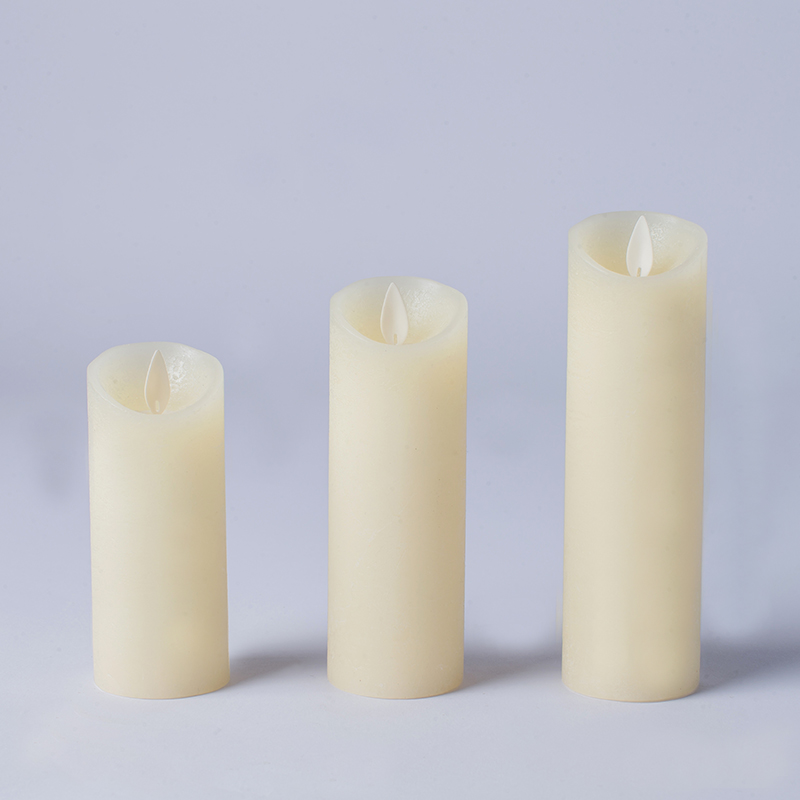
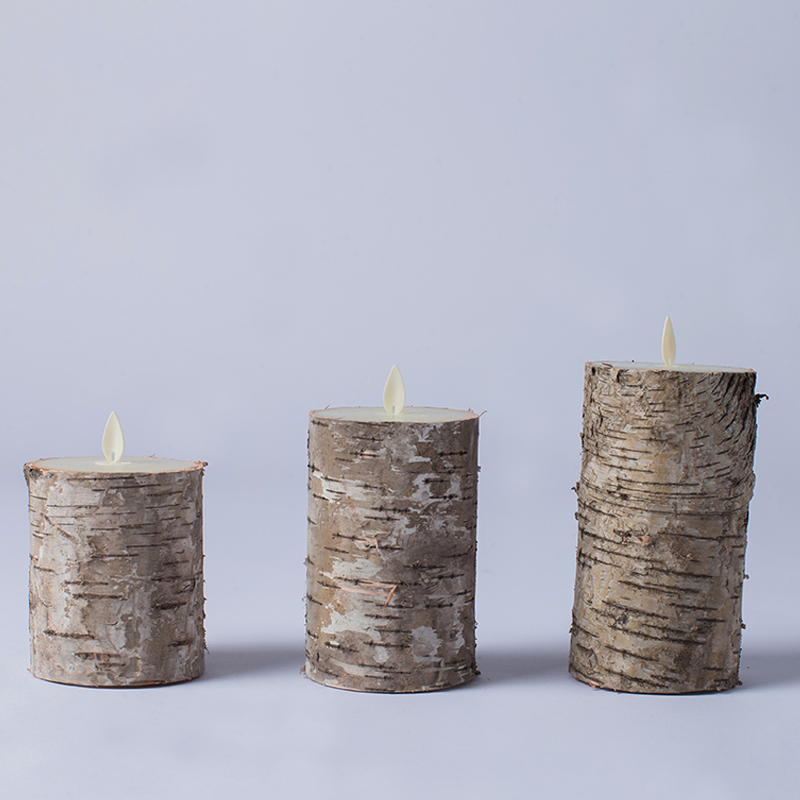
Clusters of three, five, or seven candles read as more natural and organic than even-numbered groupings. This is because human eyes tend to find odd-numbered groupings less symmetrical and therefore more visually dynamic. A grouping of three fusion LED candles at different heights — one pillar, one taper, one votive — creates far more visual interest than two identical pillars placed symmetrically.
Vary Height Dramatically
Professional candle displays almost always span a height range of at least 8 inches to 18 inches within a single grouping. Fusion LED candles are available in pillar heights from 3 inches to 12 inches, and taper holders can extend this range further. The height variation creates a sense of scale and depth that a flat arrangement of uniform-height candles cannot achieve.
Use Reflective Surfaces Strategically
Mirrors, metallic trays, glass holders, and water features all multiply the apparent number of light sources from a small collection of fusion LED candle lights. Placing three fusion LED candles on a mirrored tray can visually double the candlelight in the space. Glass hurricane holders around each candle create a halo effect and protect the candle aesthetically while also diffusing the light slightly for a softer, more natural glow.
Match Candle Color Temperature to Surrounding Décor
Rooms decorated in warm earth tones — terracotta, ochre, deep wood finishes — benefit most from fusion LED candles at the warmest end of the spectrum (1700K–1900K). Rooms with cooler palettes — stone, grey, white — can tolerate slightly warmer LED candle lights at 2000K–2200K without appearing mismatched. Using candle light that is too cool for the room creates a clinical, unflattering atmosphere that undermines the entire point of candlelight decoration.
Maintenance, Care, and Longevity of Fusion LED Candles
One of the underappreciated advantages of fusion LED candles is how little maintenance they require compared to wax alternatives. However, "low maintenance" is not the same as "no maintenance," and there are specific care practices that extend the usable life of fusion LED candles significantly.
- Clean the wax shell regularly: Real-wax-shell fusion LED candles collect dust and fingerprints on the surface. Use a soft microfiber cloth — never a wet cloth directly on electronics — to wipe the exterior. Dust buildup on the LED emitter itself can slightly reduce light output over time and should be cleared with a dry cotton swab.
- Store correctly between uses: If you use fusion LED candles seasonally, store them upright in a cool, dry location. Horizontal storage of tall pillar fusion LED candles can cause the wax shell to deform slightly over time, particularly in warm storage environments.
- Manage rechargeable batteries properly: For USB rechargeable fusion LED candles, avoid storing at full charge (100%) for extended periods — lithium-ion battery longevity is best preserved by storing at around 50% charge for multi-month storage periods. Recharging to full before use is fine.
- Update firmware if applicable: Smart fusion LED candles with app connectivity may receive firmware updates that improve flicker algorithm behavior, add new scheduling features, or fix connectivity issues. Check manufacturer apps periodically for available updates.
- Check the LED emitter for fogging: In high-humidity environments, the clear protective cover over the LED emitter in some fusion LED candle lights can develop internal fogging over time due to moisture ingress. If this occurs in a unit not rated for humidity exposure, it typically indicates the seal has failed and the unit should be replaced.
With proper care, a quality fusion LED candle purchased today should still be performing at full visual quality in 10 to 15 years — at which point the candle may simply be outdated rather than broken, given how quickly the technology continues to evolve.
The Future of Fusion LED Candle Technology
The fusion LED candle market is not static. Several technology directions are advancing rapidly and will likely become standard features in mid-range products within the next three to five years.
Scent integration is already available in a small number of premium models — a micro-reservoir of fragrance oil is heated gently by the LED electronics to release scent at low concentration, mimicking the aromatic component of a burning candle without combustion. As the technology matures, scent delivery will become more consistent and longer-lasting.
Matter and Thread protocol support is being added to high-end smart home fusion LED candle lights, allowing them to integrate natively with Apple Home, Google Home, and Amazon Alexa ecosystems without brand-specific hubs or apps. This will significantly reduce the friction of adding fusion LED candle lights to existing smart home setups.
AI-driven scene adaptation — where the fusion LED candle's flicker pattern and brightness respond dynamically to ambient sound levels, time of day, or smart home automation triggers — is in early commercial development. A candle that automatically dims and slows its flicker when music volume drops below a threshold, or that brightens when a motion sensor detects someone entering a room, represents the next frontier of what fusion LED candle lights can do beyond simple timer-based scheduling.
The trajectory is clear: fusion LED candles will continue to close the remaining gap between artificial and authentic candlelight while adding capabilities that real fire can never match. For buyers considering whether this is the right time to invest, the current generation of products is already excellent — and the market has matured enough that quality control across major brands is reliable. There has never been a better moment to make the switch from wax candles or outdated standard LED candle lights to the fusion category.